From TIME · Victoria Malloy · · 5m
Can we eat invasive species to save ecosystems?
A growing movement turns ecological menaces into food, but experts warn markets alone won't solve the problem.
In brief
A growing movement turns ecological menaces into food, but experts warn markets alone won't solve the problem. Restaurants and markets are creating demand for invasive species to reduce their populations, but scientists say monitoring and conservation goals must come first. Originally reported by TIME.
Lionfish hunter changes the market
Rachel Bowman struggled to sell lionfish to Florida Keys restaurants in two thousand twelve. After Whole Foods stocked it in two thousand sixteen, the price jumped from two dollars per pound to ten dollars overnight.
“That was the ground-breaker, because if Whole Foods is promoting something, then people know it's good.”
Lionfish devastate Atlantic reefs
Native to the Indo-Pacific, lionfish were first recorded near Miami in nineteen eighty-five, likely from the aquarium trade.
Invasive species cost billions globally
Invasive species are one of five critical drivers of biodiversity loss.The global economic toll exceeded four hundred twenty-three billion dollars in two thousand nineteen, according to the Intergovernmental Science-Policy Platform on Biodiversity and Ecosystem Services.
Invasivorism emerges as strategy
In two thousand four, conservation biologist Joe Roman coined invasivorism: eating invasive species to control populations. The movement now spans North America from Florida to Hawaii, British Columbia, Maine, and the Mississippi River basin.
Green Crab Week gains momentum
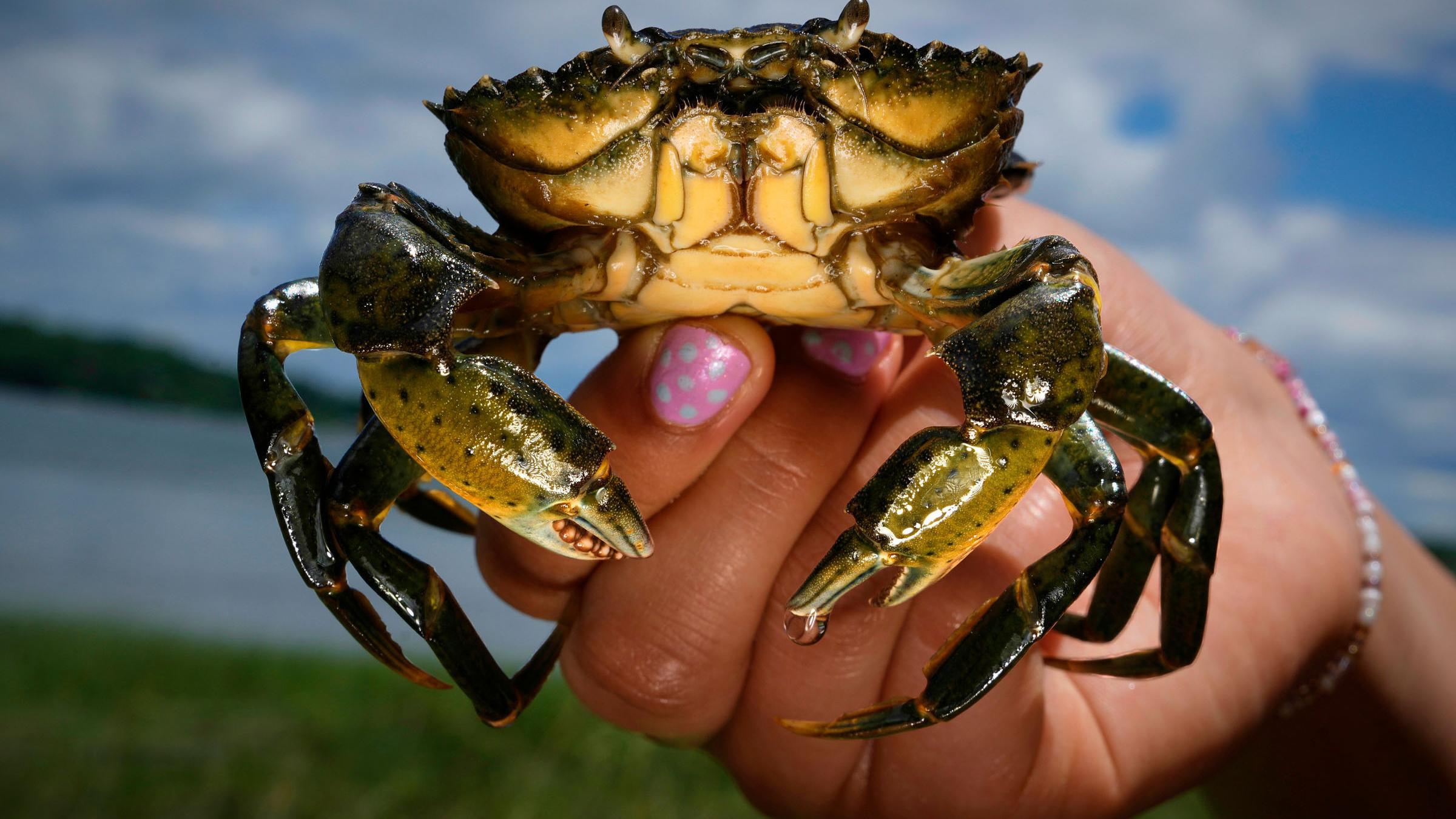
In two thousand twenty-five, seventy restaurants and fish markets across the U.S. participated in Green Crab Week, a national campaign encouraging diners to eat the invasive European green crab to reduce populations.
Chef processes thousands of crabs
James Beard Award-winning executive chef David Standridge of The Shipwright's Daughter in Mystic, Connecticut has processed more than ten thousand pounds of green crab since two thousand twenty-two, making it a menu mainstay.
Green crab's destructive appetite
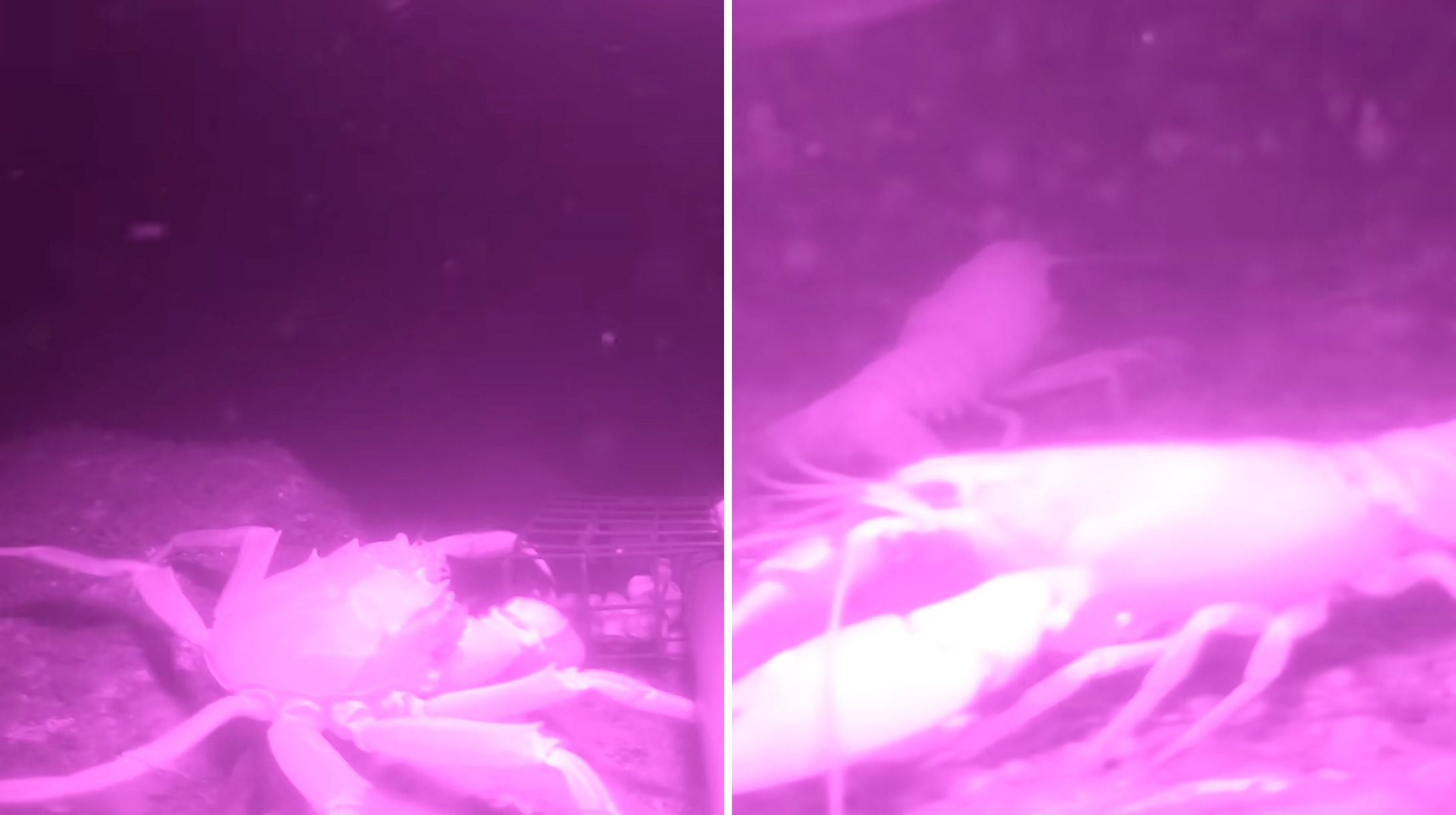
The green crab, native to Western Europe and Africa, has invaded every continent except Antarctica.One crab eats more than forty juvenile soft-shell clams daily and produces up to one hundred eighty-five thousand eggs per year.
Connecticut changes crab regulations
Connecticut classified green crab as bait, making it illegal to sell for human consumption. In two thousand twenty-five, a change to state code allowed green crab and other bait species to be harvested and sold…
Climate change worsens crab spread
Mary Parks, executive director of GreenCrab.org, says warmer winters no longer keep green crab populations in check. The species' global spread is expected to increase with climate change.
“We used to have these really cold winters and those helped keep green crab populations in check. But with winters getting warmer and warmer, that population control got taken out of the picture.”
Haida Nation removes millions of crabs
After green crabs were detected on Haida Gwaii in two thousand twenty, the Council of the Haida Nation launched a trapping program.
Hawaii's ta'ape transformation
In the nineteen fifties, roughly three thousand bluestripe snapper, called ta'ape in Hawaii, were released to boost fishing.By the nineteen eighties, the overabundant fish was considered trash, prompting a failed market-development project in nineteen eighty-five.
Ta'ape now commands premium prices
Since two thousand nineteen, Conservation International Hawaii has promoted ta'ape as food.In two thousand twenty-five, an average of twenty-seven commercial fishers sold approximately forty-two thousand pounds statewide, forty-seven percent more than in two thousand eighteen.
Fisher income rises dramatically
Where ta'ape fishers earned an average of sixty-five cents per pound in the nineteen eighties, about two dollars sixty-three today, some O'ahu fishers now receive as much as six dollars per pound.
Asian carp escapes from farms
Asian carp were imported to the U.S.from China in the nineteen seventies to control algae in wastewater plants and aquaculture ponds.Within a decade they escaped and spread through the Mississippi River basin and its tributaries.
Angie Yu builds domestic carp market
Angie Yu, founder of Two Rivers Fisheries in Wickliffe, Kentucky, grew up in China where carp is a dietary staple.
“The fish is not trash, it's a treasure.”
Experts warn markets need monitoring
Peter Stoett, co-chair of the Intergovernmental Science-Policy Platform on Biodiversity and Ecosystem Services assessment, says measuring population reduction matters more than market size. Sustained monitoring is essential to know if targets are being met.
“Money must be spent monitoring these populations or we won't know if targets are being met.”
Conservation must guide markets
Stoett argues that commercial activity should exist because a species needs reduction, not to establish a sustainable fishery.
Kentucky shows removal progress
The Kentucky Department of Fish and Wildlife Resources increased its fishing incentive to fifteen cents per pound for invasive carp from Kentucky Lake and Barkley Lake, citing evidence that management efforts are reducing populations.
Markets are tool, not panacea
Helen Roy, professor at the U.K. Centre for Ecology and Hydrology, cautions that consumption is not a panacea. The ecological payoff from harvesting is rarely proportional to the share of population removed.
“There's no simple sum here.”
Prevention remains the best option
While markets for invasive species can provide food, income, and redirect fishing pressure, experts stress that prevention is best. Once established, markets must serve conservation goals, not become the goal itself.
“Nothing beats prevention.”
The short version
Restaurants and markets are creating demand for invasive species to reduce their populations, but scientists say monitoring and conservation goals must come first.