From TIME · Kendra Barkoff Lamy · · 3m
Cornell's broken response to sexual assault
A student's lawsuit reveals how universities and prosecutors fail survivors at every stage, from investigation to accountability.
In brief
A student's lawsuit reveals how universities and prosecutors fail survivors at every stage, from investigation to accountability. A Cornell student alleges she was drugged and gang-raped by seven fraternity brothers in 2024, then failed by the systems meant to protect her, raising urgent questions about prevention…
Student sues Cornell over alleged assault
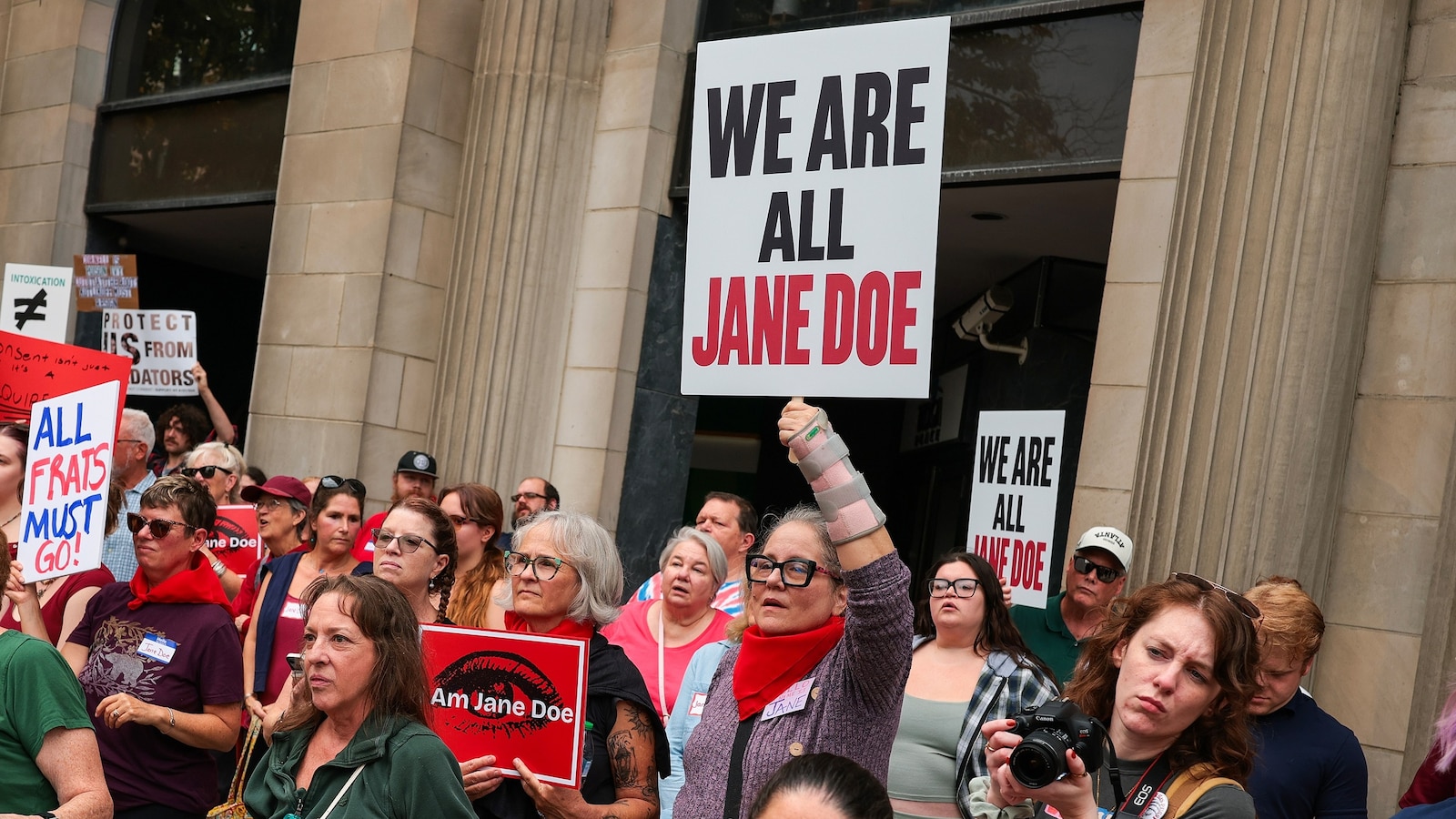
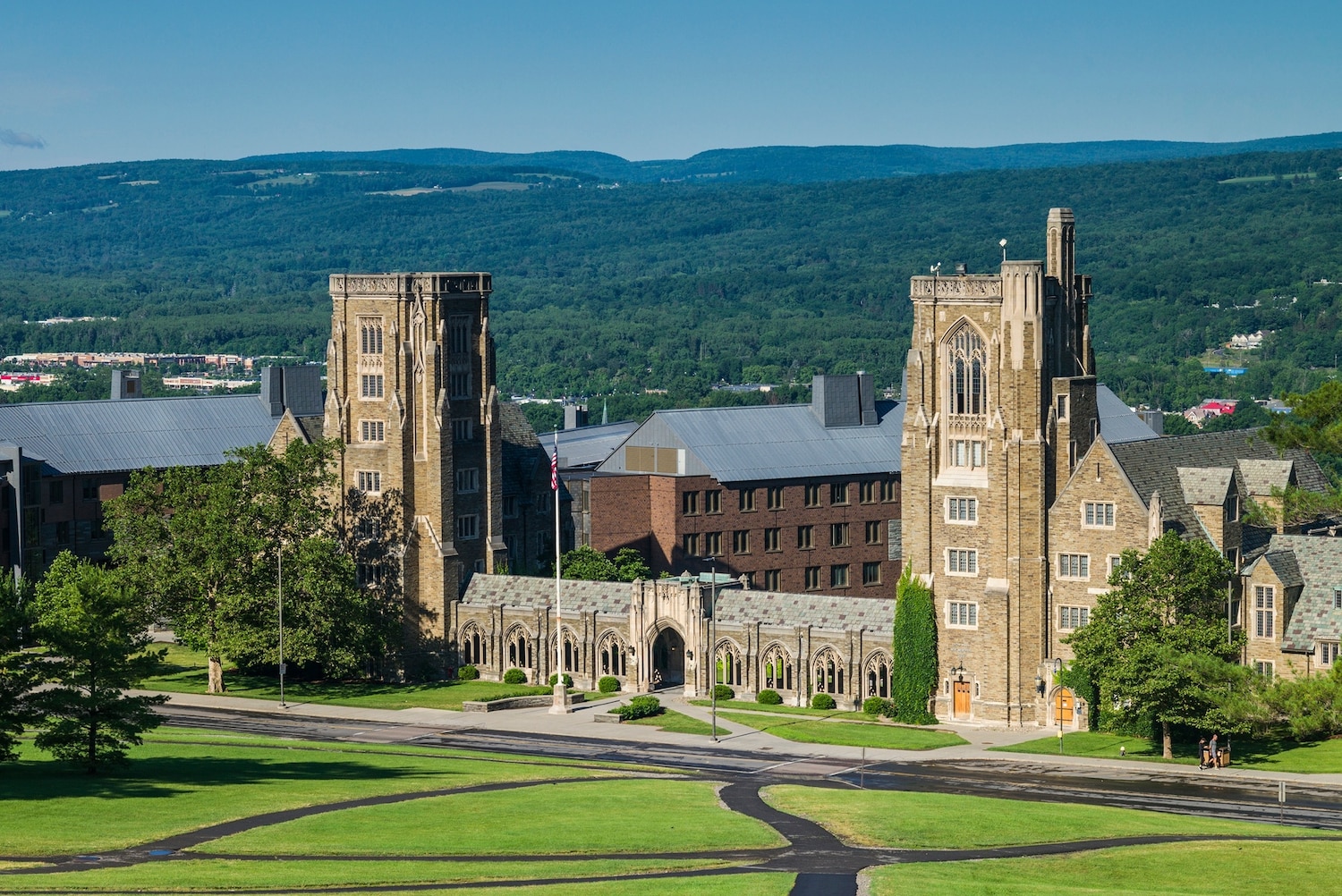
On September sixteenth, a Cornell University student filed a lawsuit against the university, fraternities, and sororities after she was allegedly drugged and gang-raped by seven fraternity brothers in two thousand twenty-four.
The real problem: systemic failure
The lawsuit describes a survivor seeking help from systems meant to protect her and finding, again and again, that she was failed. The case reveals broader failures of prevention, investigation, and accountability.
Survivors failed twice over
Survivors are often failed more than once: first by the person who harms them, and then by the very systems that are supposed to prevent, investigate, and respond to sexual violence.
Education must start before college
As a society, we have failed to educate young people about consent, respect, and the gravity of sexual violence. That education must begin before college; we cannot wait until they arrive on campus.
Prosecutor missed critical evidence
Tompkins County District Attorney Matthew Van Houten stated he was never shown a transcript from a November two thousand twenty-four interview where Jane Doe told Cornell campus police, "I can say with one hundred percent confidence I was raped."
“I can say with 100% confidence I was raped.”
Trauma shapes how survivors disclose
Survivors may not disclose everything at once. Their recollections may emerge in fragments. They may hesitate, change the order of events, or struggle to articulate what happened. Those are not automatic signs of deception; they can be well-recognized effects of trauma.
Universities must act independently
Universities need independent investigators, clear procedures, meaningful support for complainants, and processes that are fair to all parties while prioritizing campus safety. Sexual assault reports cannot be treated as public relations problems to contain quietly.
Public accountability drives change
When survivors decide to speak publicly, they deserve legal, communications, and institutional support. Their stories, amplified through journalism and public discourse, create pressure that institutions cannot ignore and become part of a movement.
The will to act is missing
We have policies, resources, and legal frameworks that can make a difference. What has been missing is the will to use them consistently. No survivor should have to go public to be believed or become a national story to receive a competent investigation.
The headline
A Cornell student alleges she was drugged and gang-raped by seven fraternity brothers in 2024, then failed by the systems meant to protect her, raising urgent questions about prevention, investigation, and institutional accountability.