From TIME · · 1m 20s
Dana Awartani heals through art
The Saudi Arabian artist uses silk, clay, and ancient crafts to memorialize places destroyed by conflict.
In brief
The Saudi Arabian artist uses silk, clay, and ancient crafts to memorialize places destroyed by conflict. Art can document cultural loss and prompt healing by physically reconstructing damaged heritage through immersive installations. Originally reported by TIME.
Artist uses repair as healing
Dana Awartani, 39, creates immersive silk installations by ripping and darning fabric. Her work asks whether art can offer a blueprint for healing from conflict.
“Can art offer a blueprint for healing?”
Collaborating with master artisans
Awartani works with experts in ancient craft traditions to build installations that serve as memorials to conflict-damaged sites. Her approach combines contemporary art with traditional knowledge.
Venice Biennale floor installation
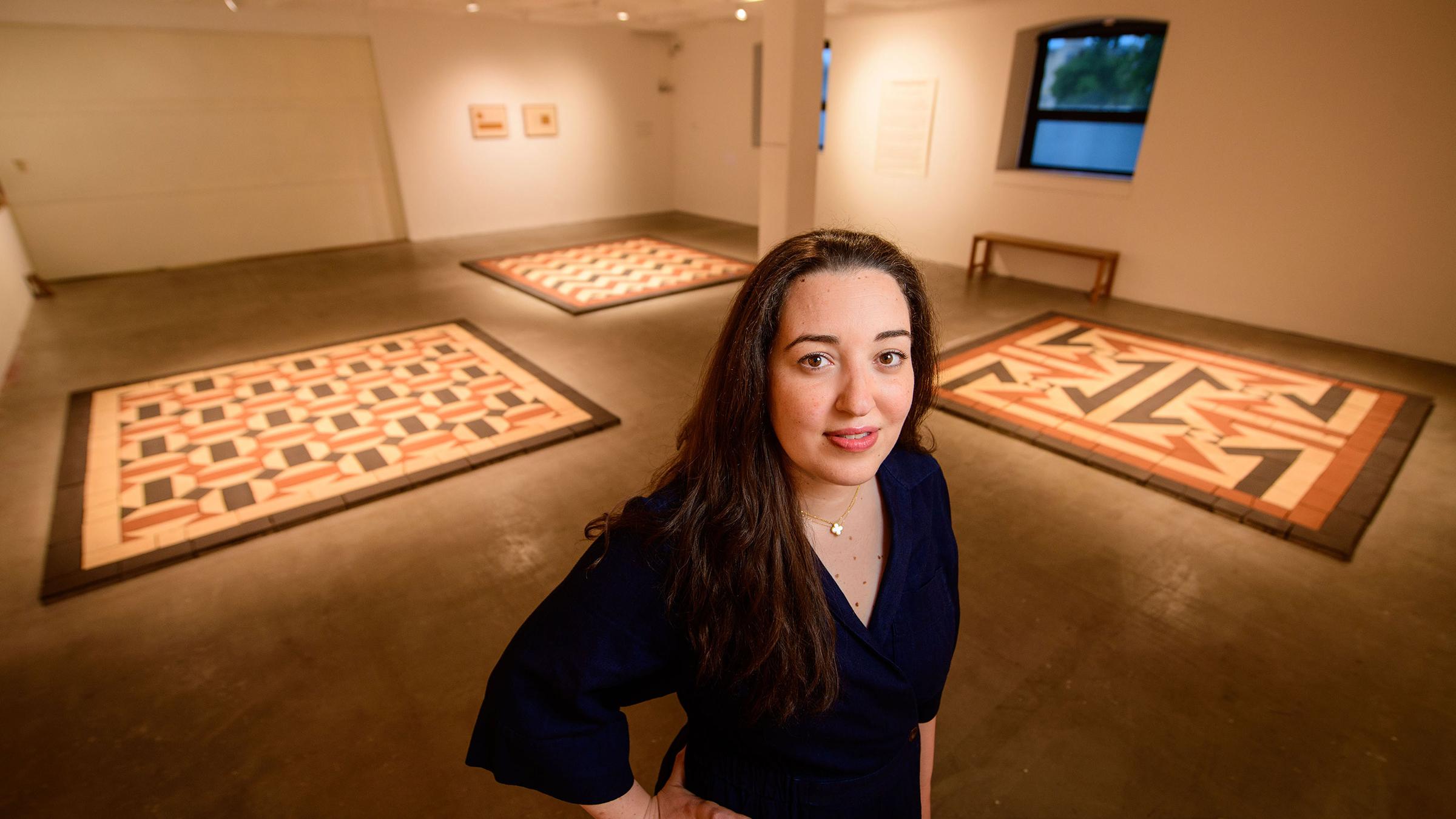
At this year's Venice Biennale, Awartani covered Saudi Arabia's pavilion floor with 29,000 handmade clay bricks created by 32 master artisans. The installation referenced 23 damaged sites across the Levant.
Floor designed to crack and crumble
Laid without binding agents, the Venice floor was designed to crack during the show's run. This acknowledged the fragility of cultural heritage and the violence of erasure.
“an acknowledgement of the fragility of cultural heritage and the violence of erasure”
Training in Islamic art traditions
Awartani trained in Islamic art traditions, which inform her approach to craft and cultural memory. Her background shapes how she engages with heritage and loss.
Upcoming exhibitions in Europe
Awartani will open a solo show at Lisson Gallery in London in November and at Norway's Stavanger Art Museum next year. Her work continues to reach international audiences.
The key point
Art can document cultural loss and prompt healing by physically reconstructing damaged heritage through immersive installations.