From TIME · Jasmine Aguilera · · 5m
Dolores Huerta, farmworker organizer, dies at 96
The co-founder of the United Farm Workers died in Bakersfield after decades fighting for labor, women's and immigrants' rights.
In brief
The co-founder of the United Farm Workers died in Bakersfield after decades fighting for labor, women's and immigrants' rights. Dolores Huerta, co-founder of the United Farm Workers and lifelong activist for labor and civil rights, died at ninety-six in Bakersfield, California. Originally reported by TIME.
Labor leader Dolores Huerta dies
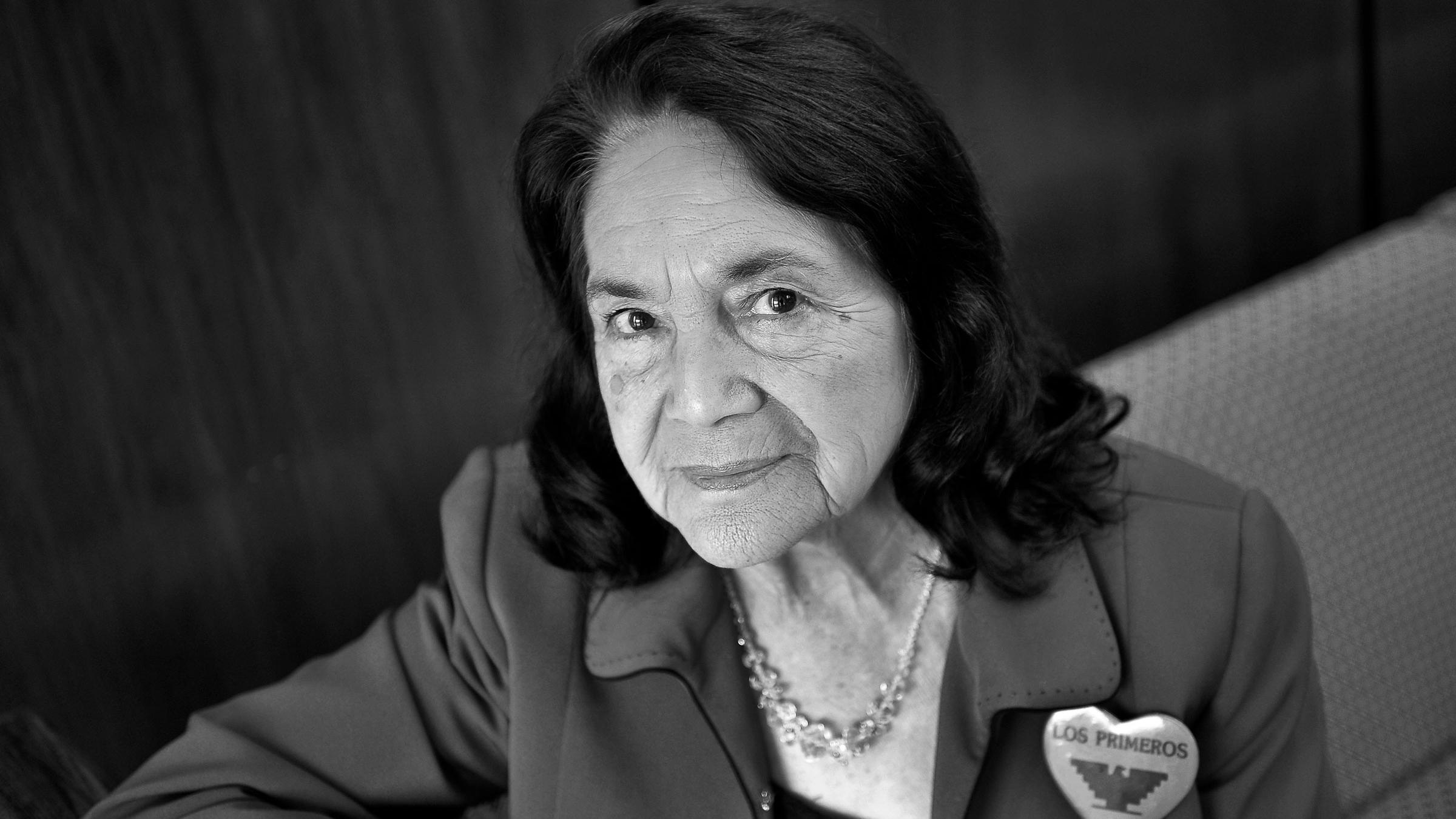
Dolores Huerta, co-founder of the United Farm Workers of America alongside Cesar Chavez, died Wednesday at her home in Bakersfield, California. She was ninety-six.
Cause of death was cancer
News of Huerta's death was shared by family members through her Instagram account. The New York Times reported that the cause of death was cancer, citing a spokesperson for Huerta.
Decades of activism across causes
Huerta dedicated her career to fighting for labor rights, women's rights and immigrants' rights. She is credited with coining the phrase Sí se puede, Yes we can, later adopted by Barack Obama.
Huerta accused Chavez of abuse
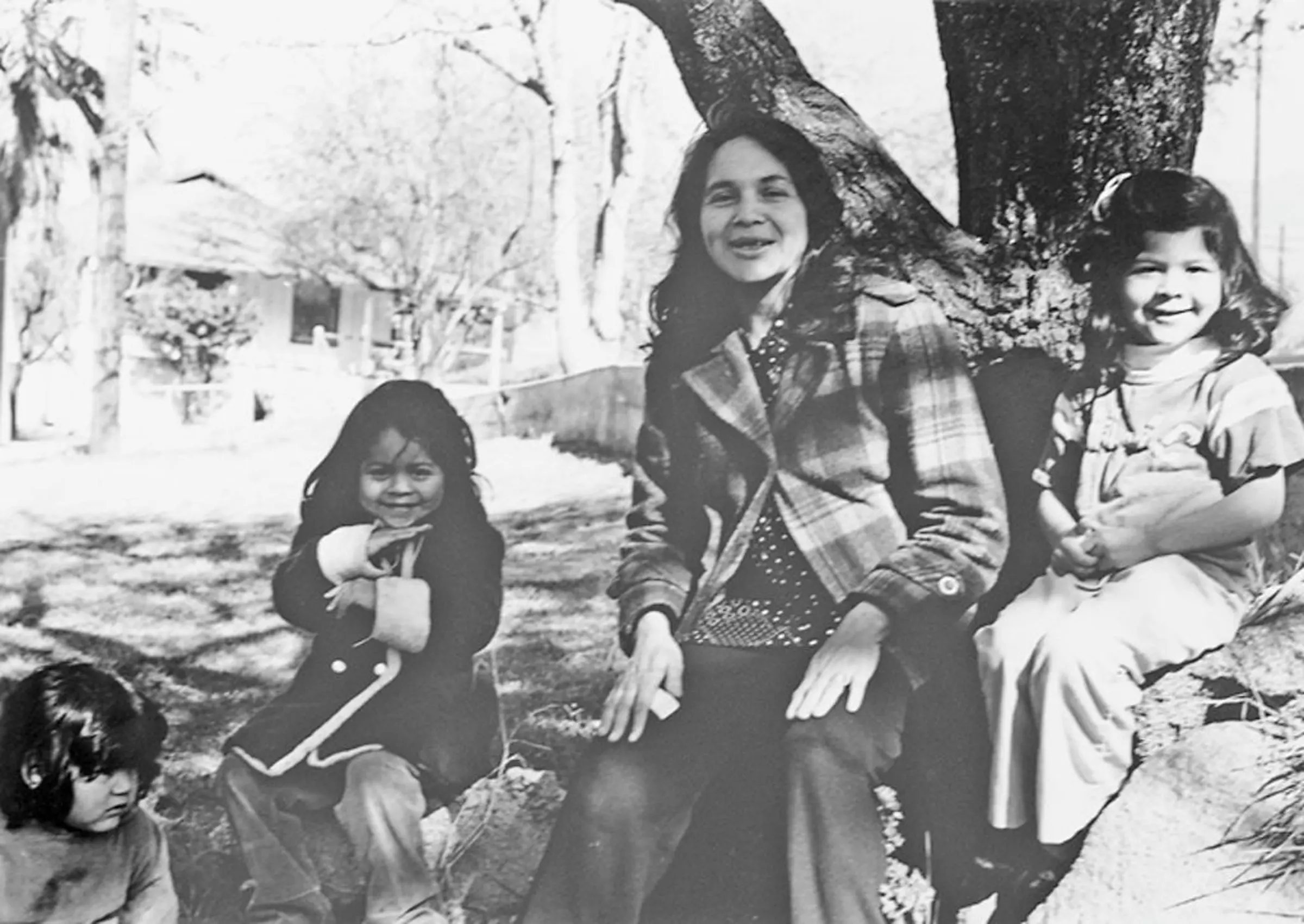
In March twenty twenty-six, Huerta publicly accused Cesar Chavez of sexually abusing her decades earlier, breaking decades of silence to protect the farmworker movement.
Obama praised her leadership
When Huerta received the Presidential Medal of Freedom in twenty twelve, Barack Obama noted that she does not play and highlighted her role leading a worldwide grape boycott.
“Without any negotiating experience, Dolores helped lead a worldwide grape boycott that forced growers to agree to some of the country's first farmworker contracts.”
Born in New Mexico in nineteen thirty
Huerta was born on April tenth, nineteen thirty, in Dawson, New Mexico, to Alicia Chávez and Juan Fernández. Her father was a miner and farmworker who joined the New Mexico state legislature.
Mother's hotel inspired her values
After her parents' divorce, her mother opened a hotel in Stockton, California, and often offered affordable or free rooms to low-wage workers. Huerta said she became a feminist because of her mother.
Brother's beating shaped activism
In nineteen forty-five, one of her two brothers was beaten for wearing a zoot suit, an ensemble then popular with Black and Mexican-American men. She said this beating further influenced her activism.
Teaching farmworker children inspired her
After high school, Huerta obtained a teaching credential and began teaching at an elementary school. Her students, many children of farmworkers, inspired her activism and commitment to social justice.
“I think the one thing that really kind of hooked me for life was going to the homes of some workers who did not have linoleum or wood on their floor, only dirt.”
Met Fred Ross in nineteen fifty-five
Huerta decided to pursue community organizing in nineteen fifty-five when she met Fred Ross Senior, founder of the Community Service Organization and a nationally influential community organizer.
Found her voice at age twenty-five
At age twenty-five, volunteering at the Stockton chapter of the Community Service Organization, Huerta demanded a welfare office supervisor allow a disabled farmworker to submit a benefits application himself.
“That taught me a lesson. That taught me that I had a voice.”
Co-founded United Farm Workers in nineteen sixty-two
In nineteen sixty-two, Huerta and Cesar Chavez left the Community Service Organization to found the National Farm Workers Association, which later became the United Farm Workers of America.
Fought against Bracero Program abuses
Huerta and Chavez were motivated to found the union after hearing from California farmworkers working under harsh conditions with no benefits, low wages, and no access to bathrooms or water.
Led famous grape boycott nineteen sixty-five to nineteen seventy
Huerta helped organize the nationwide grape boycott supporting the Delano grape strike of nineteen sixty-five to nineteen seventy. The boycott convinced grocery store chains to stop selling fruit until labor standards were set.
California passed farmworker rights law in nineteen seventy-five
In nineteen seventy-five, California passed the Agricultural Labor Relations Act, giving farmworkers the right to unionize. The state credited Huerta as instrumental in establishing those rights.
Raised eleven children while organizing
Huerta raised eleven children while leading the farmworker movement. During the five-year Delano grape boycott, her home was terrorized, windows broken, and shotguns and rifles aimed at her family.
“There were times when my home was terrorized in the middle of the night, my windows broken when I'm there alone with my children.”
Arrested over twenty times for activism
Over her career, Huerta was arrested more than twenty times. In nineteen eighty-eight, she was severely beaten by a police officer in San Francisco at a rally against George H. W. Bush.
Founded her own organization in twenty oh three
Huerta established the Dolores Huerta Foundation in twenty oh three after receiving a one hundred thousand dollar prize from the Puffin slash Nation Prize for Creative Citizenship in twenty oh two.
Named TIME one hundred most influential in twenty twenty-six
In twenty twenty-six, TIME named Huerta one of the world's one hundred most influential people.
April tenth declared Dolores Huerta Day
In July twenty eighteen, California Governor Jerry Brown signed a bill declaring April tenth Dolores Huerta Day. The bill recognized her numerous sacrifices in the name of justice and improved working conditions.
“Dolores Huerta deserves proper recognition for her numerous sacrifices in the name of justice and the amelioration of severely inadequate working conditions.”
What it means
Dolores Huerta, co-founder of the United Farm Workers and lifelong activist for labor and civil rights, died at ninety-six in Bakersfield, California.