From TIME · Joan Martelli · · 1m 50s
Family Matters: Van Gogh's Ear and the Secret History
Van Gogh's ear cutting and suicide linked to family tensions and financial strain.
In brief
Van Gogh's ear cutting and suicide linked to family tensions and financial strain. Jo van Gogh-Bonger, Vincent's sister-in-law, played a key role in his posthumous fame despite initially dismissing his painting The Starry Night. Originally reported by TIME.
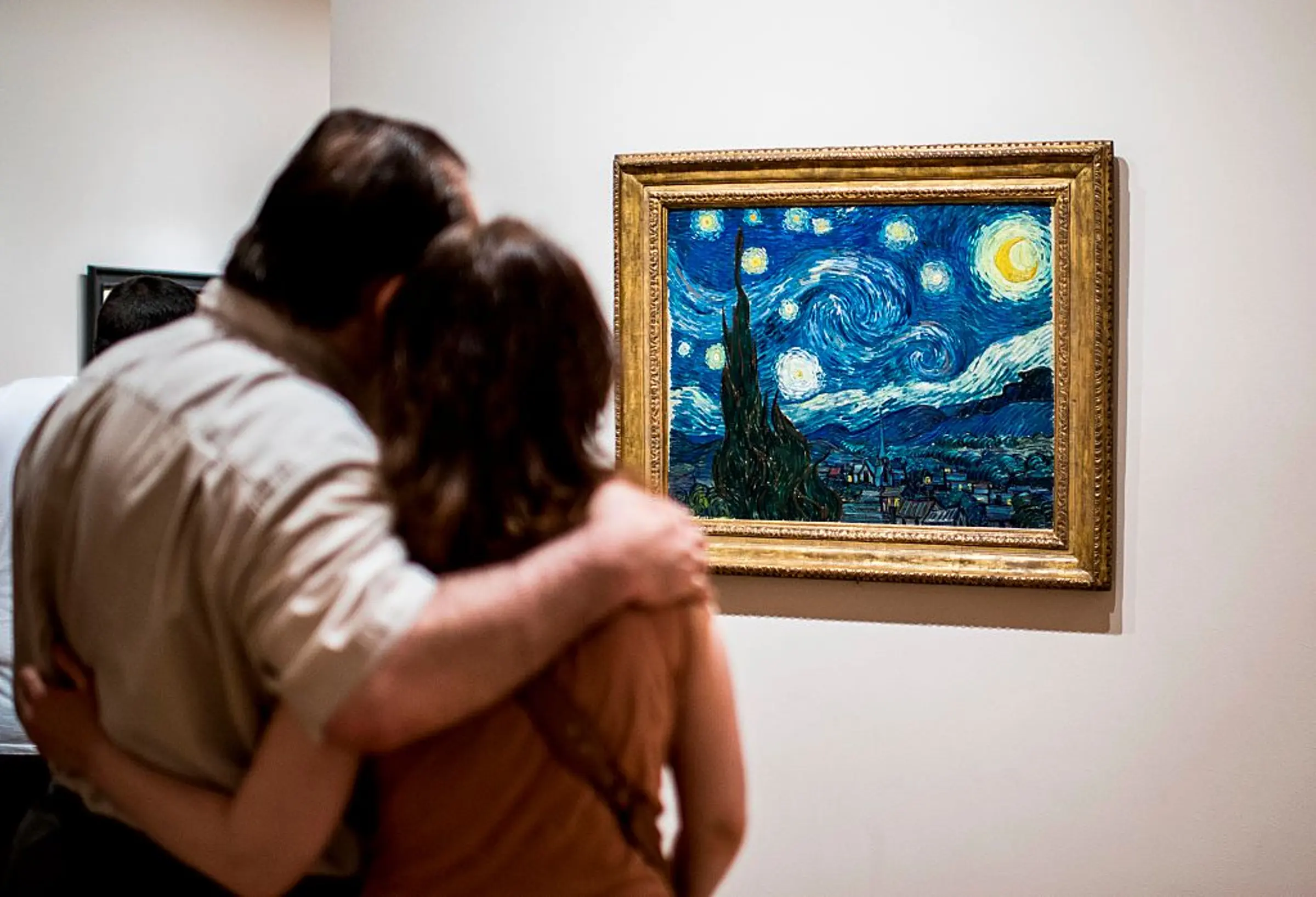
The Starry Night at MoMA
Visitors gather around Vincent van Gogh's Starry Night painting at New York's Museum of Modern Art.
Van Gogh's Ear Incident
Vincent cut off his left ear after learning Theo and Jo were engaged, triggering fears of abandonment.
Theo's Financial Support
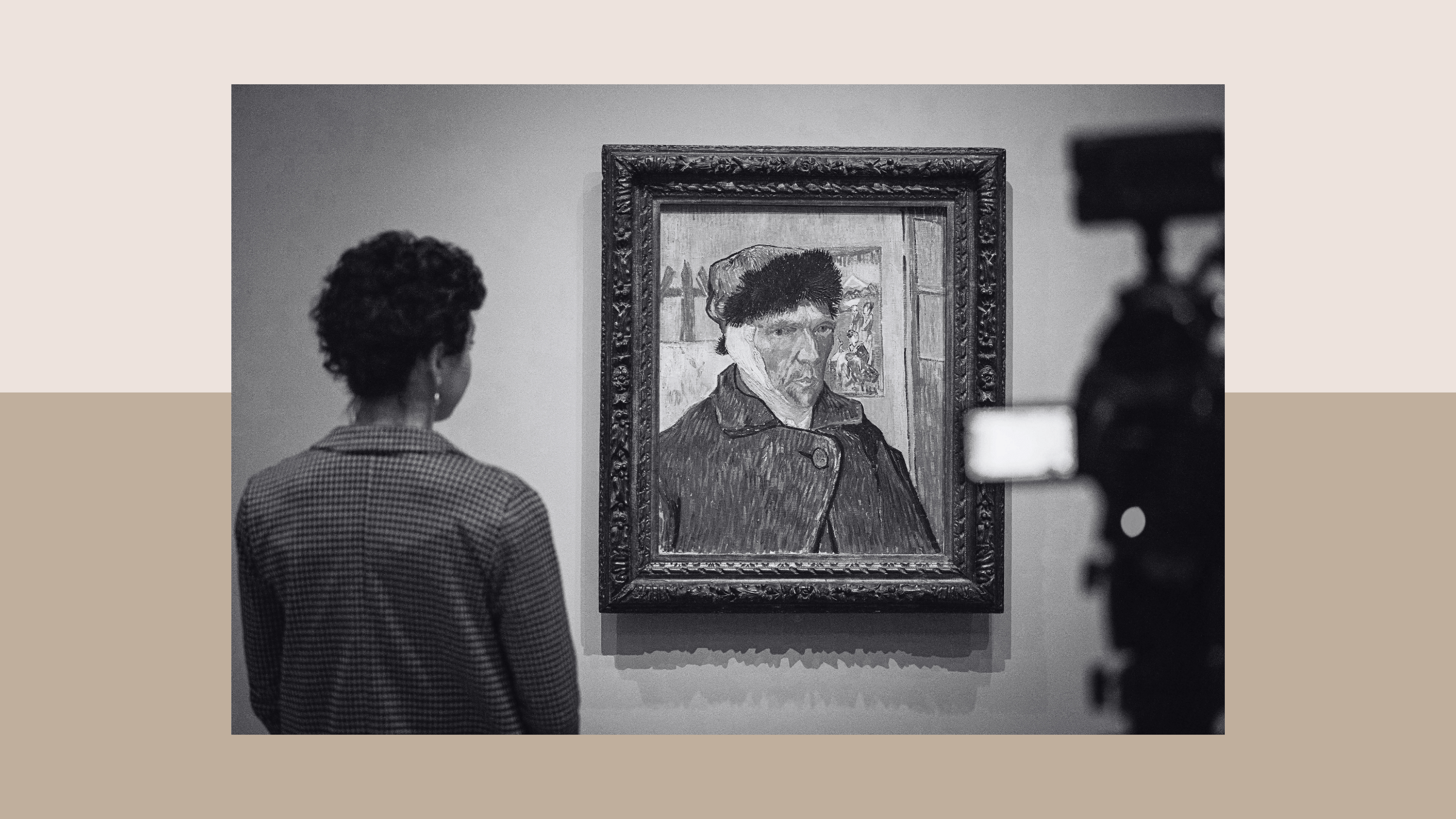
Theo van Gogh, Vincent's brother, provided monthly financial support in exchange for Vincent's paintings.
Vincent's Artistic Struggle
Vincent created over 800 paintings and 700 drawings over 10 years but sold only one painting in his lifetime.
Theo's Suicide
Vincent shot himself in the chest in July 1890 at age 37, believing himself a failure.
Jo's Role in Vincent's Legacy
Jo van Gogh-Bonger inherited Vincent's paintings and letters, later publishing his letters in 1914.
The Starry Night's Early Reception
Theo called The Starry Night 'the village in the moonlight' and considered it a mistake with too many stars.
Jo's Initial Dismissal
Jo initially dismissed The Starry Night as unimportant, selling it early but reacquiring it for a 1905 exhibition.
The Name Change
The painting was rechristened The Starry Night in 1941 after MoMA acquired it.
Family Tensions
Theo's potential job loss and financial strain led Vincent to feel like a burden, causing him to leave their apartment.
Jo's Advocacy
Jo championed Vincent's work for 30 years across multiple countries, despite initial family tensions.
The Starry Night's Legacy
The Starry Night became one of Vincent's most famous works after MoMA acquired it in 1941.
The main idea
Jo van Gogh-Bonger, Vincent's sister-in-law, played a key role in his posthumous fame despite initially dismissing his painting The Starry Night.