From TIME · Judy Berman · · 4m
Flanagan's Carrie finally escapes De Palma's shadow
Mike Flanagan's eight-episode Prime Video series is the first Carrie adaptation in 50 years that fully reimagines the story for its time.
In brief
Mike Flanagan's eight-episode Prime Video series is the first Carrie adaptation in 50 years that fully reimagines the story for its time. Mike Flanagan's Carrie series, premiering October seventh on Prime Video, breaks free from Brian De Palma's 1976 film by using the story to examine modern American fracture along…
The story everyone knows
Stephen King's Carrie, published fifty-two years ago, has so thoroughly entered culture that its most indelible images are nearly inescapable: the locker-room tampon gauntlet, the prayer-closet confinement, the prom night pig's blood.
The plot that endures
Warped by her mother's zealotry and scapegoated by classmates, sixteen-year-old Carrie experiences a traumatic menarche that reactivates her latent telekinetic abilities. After being crowned prom queen and drenched in pig's blood, she uses her powers to exact revenge.
De Palma's 1976 classic
Brian De Palma's 1976 film adaptation became a horror classic. Pauline Kael wrote of Sissy Spacek's Oscar-nominated performance: I don't see how this performance could be any better. Yet filmmakers keep trying to improve upon it.
“I don't see how this performance could be any better.”
Why keep remaking it
With platforms scrambling to capitalize on popular intellectual property, it is no mystery why Hollywood executives would greenlight new Carrie adaptations. But something else must inspire high-minded filmmakers like Kimberly Peirce to keep resurrecting the story.
Flanagan's ambitious series
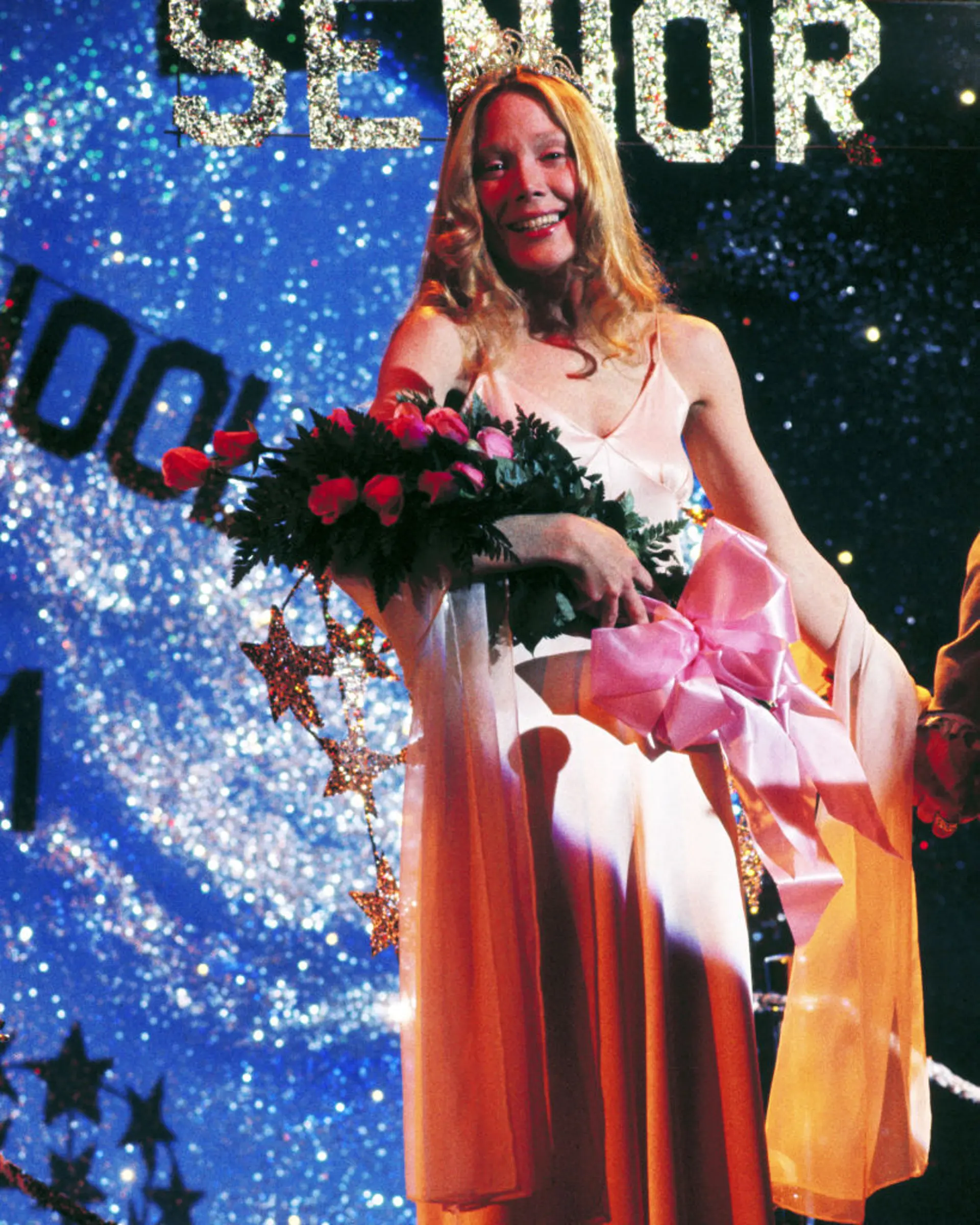
Mike Flanagan, known for Netflix hits like The Haunting of Hill House and The Fall of the House of Usher and for King adaptations like Gerald's Game and Doctor Sleep, created an eight-episode Prime Video series premiering October seventh.
Breaking free from De Palma
Flanagan's Carrie is the first adaptation that manages to fully get out from under the shadow of De Palma's film. Yet it confirms a gradual shift in how the story is being told across all versions.
From monster to indictment
What was once an account of an abusive mother and an evil bully unwittingly uniting to create a lethal monster has become, with each new incarnation, more like an indictment of society as a whole.
Each film reflects its era
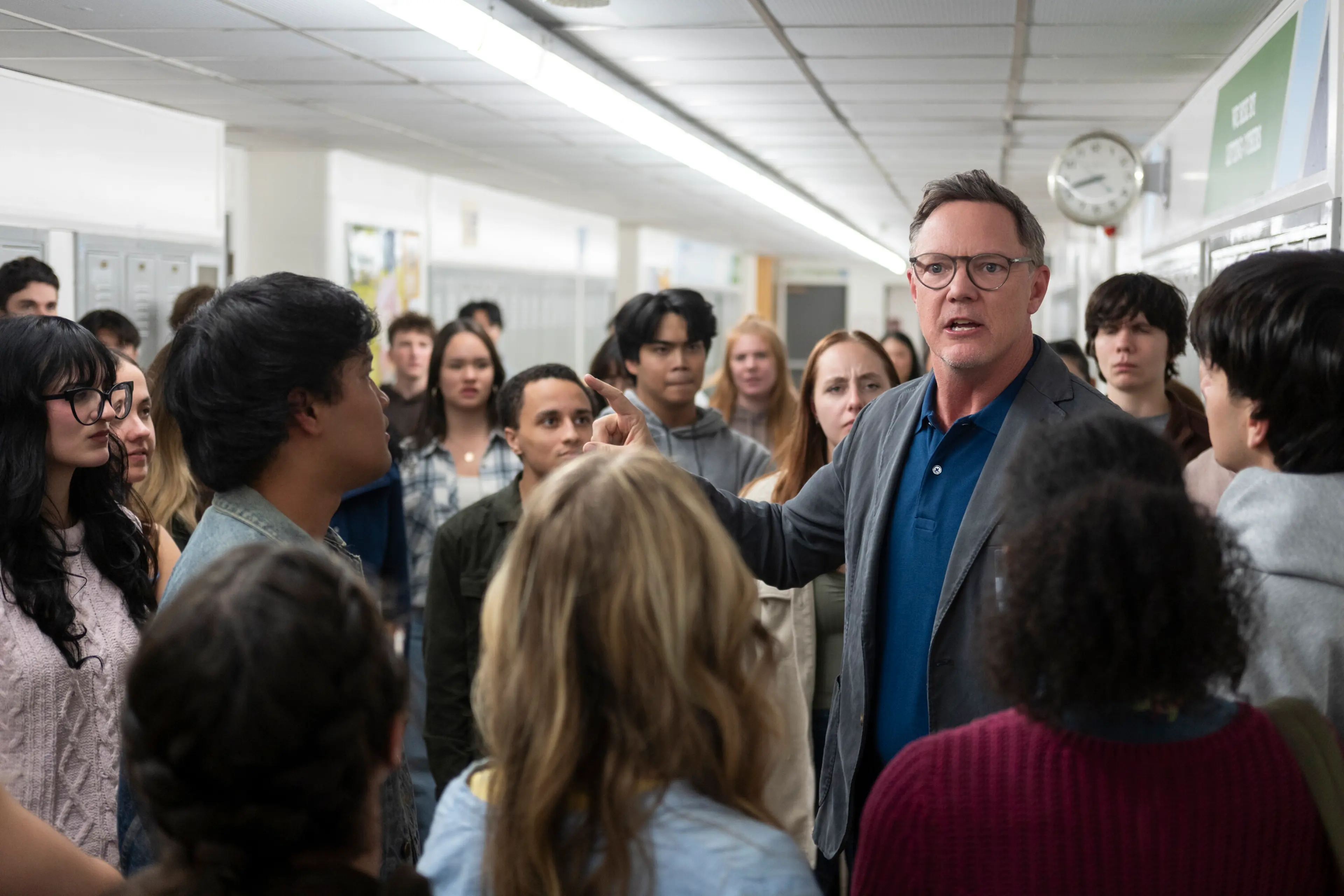
De Palma's version, turning fifty in November, seems to lust after and fear the female body in equal measure, reflecting the male-dominated genre's response to nineteen-seventies feminism. A two thousand two made-for-TV movie featured low-rise denim and female misfits getting glow-ups.
Peirce's two thousand thirteen take
Kimberly Peirce's two thousand thirteen film incorporated smartphones and YouTube, as well as an emerging pop-feminist sensibility that traced Margaret's derangement to childbirth trauma and found Carrie actively choosing who to kill and who to save.
King's own reading of Carrie
Stephen King wrote in his nineteen eighty-one book Danse Macabre: The book is, in its more adult implications, an uneasy masculine shrinking from a future of female equality. Carrie White is a sadly misused teenager whose spirit is broken in the pit of your normal suburban high school.
“The book is, in its more adult implications, an uneasy masculine shrinking from a future of female equality.”
Flanagan's Trump-era Carrie
If twenty-first-century Carrie movies spoke to a post-Columbine era of school shootings, Flanagan's series is a product of the Trump decade, in which seemingly every aspect of American life has fractured along bipartisan political lines over censorship, technology, parental rights, and gun control.
A bold departure from King
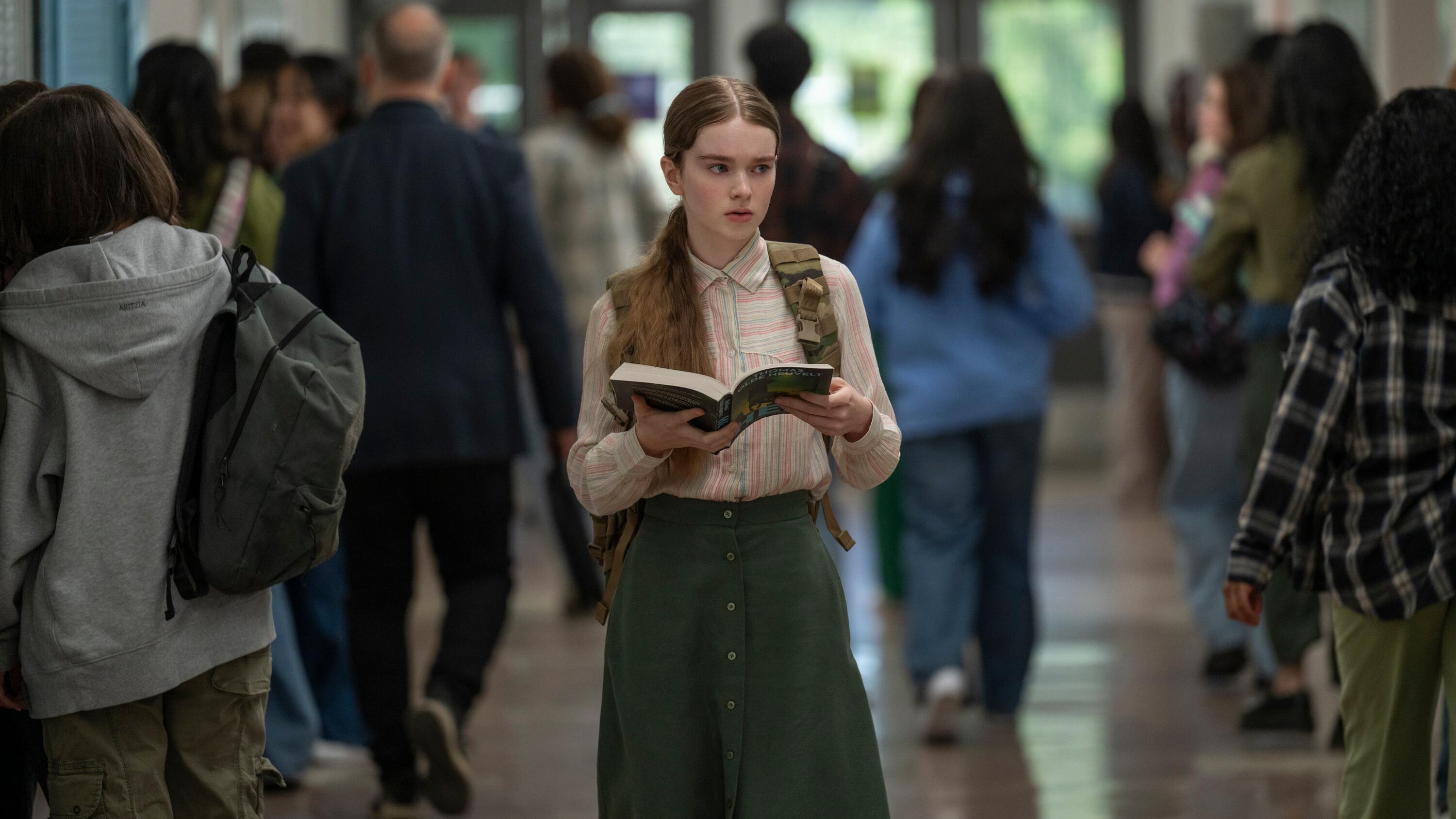
Without omitting moments King fans will anticipate, Flanagan's series departs boldly from the text. It opens with the death of Carrie's conspiracy-theorist father in a bizarre construction-site accident, revealing his previously unknown wife and daughter cowering in the prayer closet.
Well-meaning adults fail
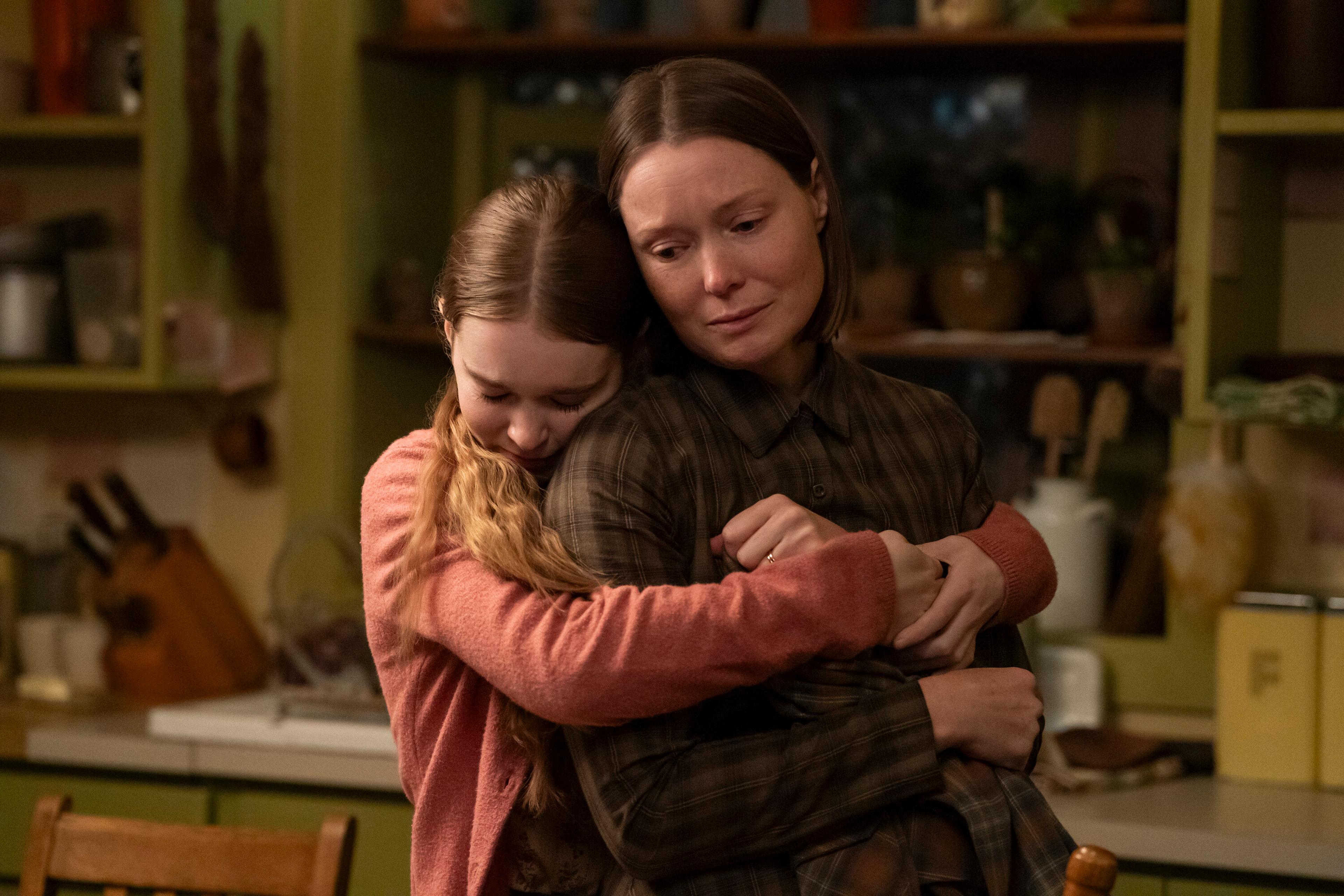
Principal Grayle, the gym teacher, and school counselor all want the best for their students. Even Margaret, a parents' rights crusader, is sincerely trying to help her daughter. But meaning well is not enough. Fights, protests, and parental panics ensue before prom night.
Complicity as the real problem
At the core of Flanagan's series is a diagnosis that the problem is not individual bad actors but people whose pure intentions are undermined by complacency, indecision, disinformation, conformity, and fear, all amplified by social media.
Carrie as collective tragedy
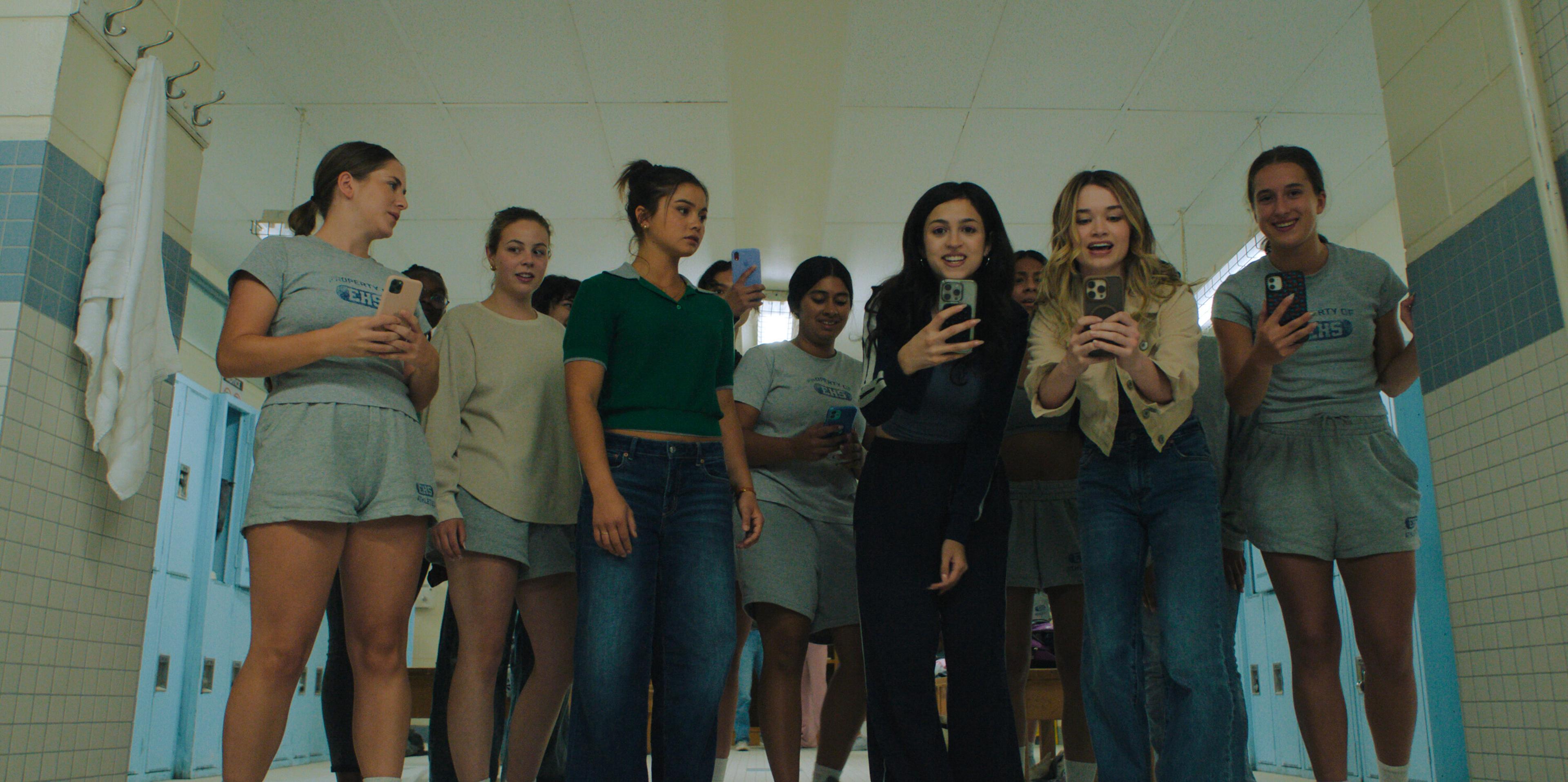
Flanagan implies that amid extreme rhetoric, everyone who does not work hard to avert atrocities is complicit in them. Carrie becomes something between Frankenstein's monster and Jesus Christ: an innocent persecuted for the sins of all mankind.
Here's the gist
Mike Flanagan's Carrie series, premiering October seventh on Prime Video, breaks free from Brian De Palma's 1976 film by using the story to examine modern American fracture along political lines and the complicity of well-meaning people in systemic harm.