Four caucuses to shape the Democratic House
As Democrats prepare to take control with a larger majority and ideologically diverse new members, four internal caucuses will shape the party's agenda and unity.
In brief
As Democrats prepare to take control with a larger majority and ideologically diverse new members, four internal caucuses will shape the party's agenda and unity. Democrats face internal ideological divisions as they take the House with new members ranging from democratic socialists to moderates, with four major…
Democrats take the House with a diverse majority
Democrats are preparing to take control of the House of Representatives with a substantially larger majority and an influx of new members covering every corner of the party's big tent.
New members span democratic socialists to moderates
Incoming Democratic freshman include several democratic socialists and even more moderates who won in competitive and Republican-leaning districts, with competing priorities on economic and political change.
Jeffries faces challenge of maintaining party unity
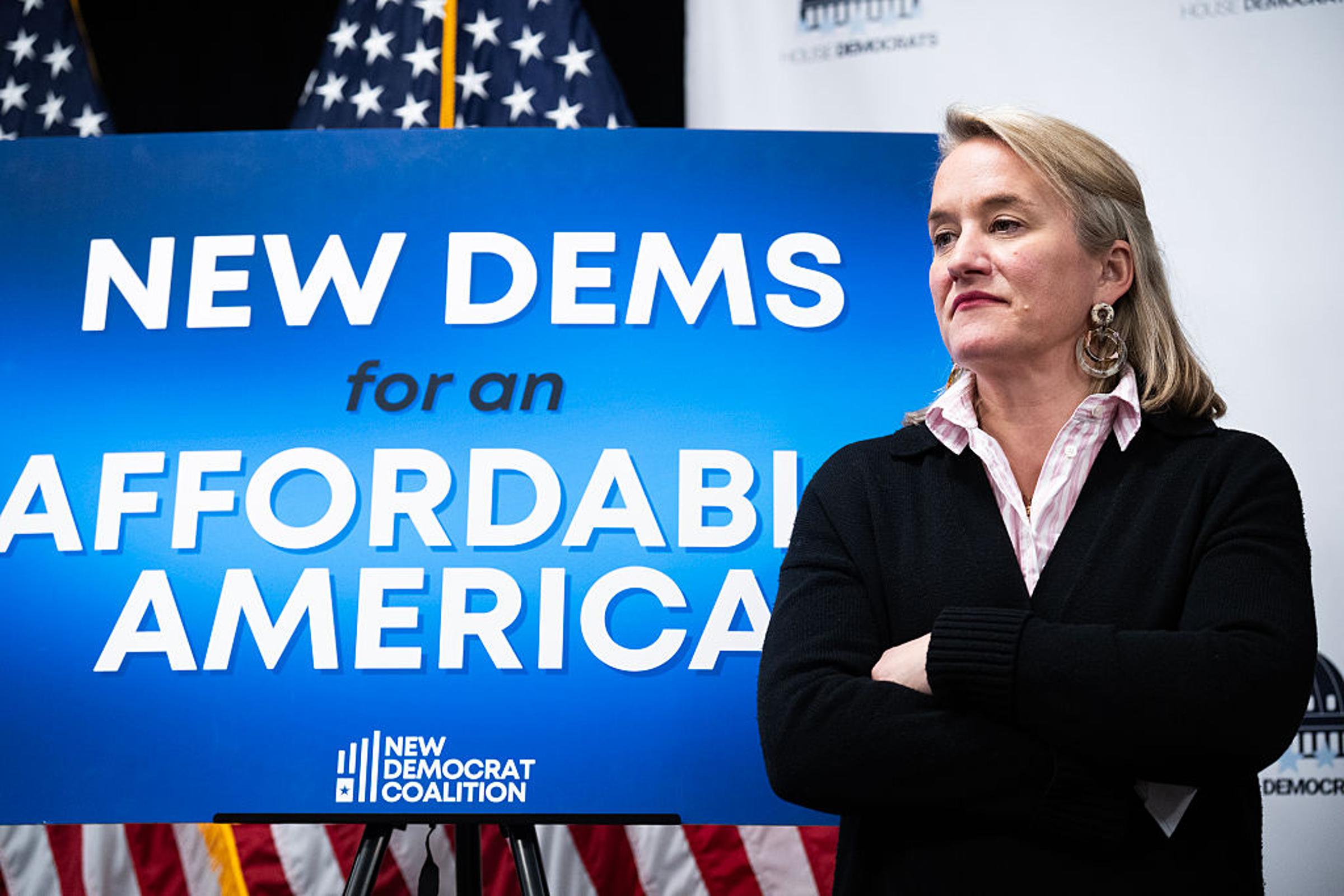
Representative Hakeem Jeffries of New York, the speaker-designate, will be tasked with maintaining unity in a party whose leaders frequently celebrate its ideological diversity.
Four caucuses will shape Democratic priorities
Much debate will unfold within the House's major ideological and governing caucuses, preparing to welcome dozens of new members when Congress convenes in January.
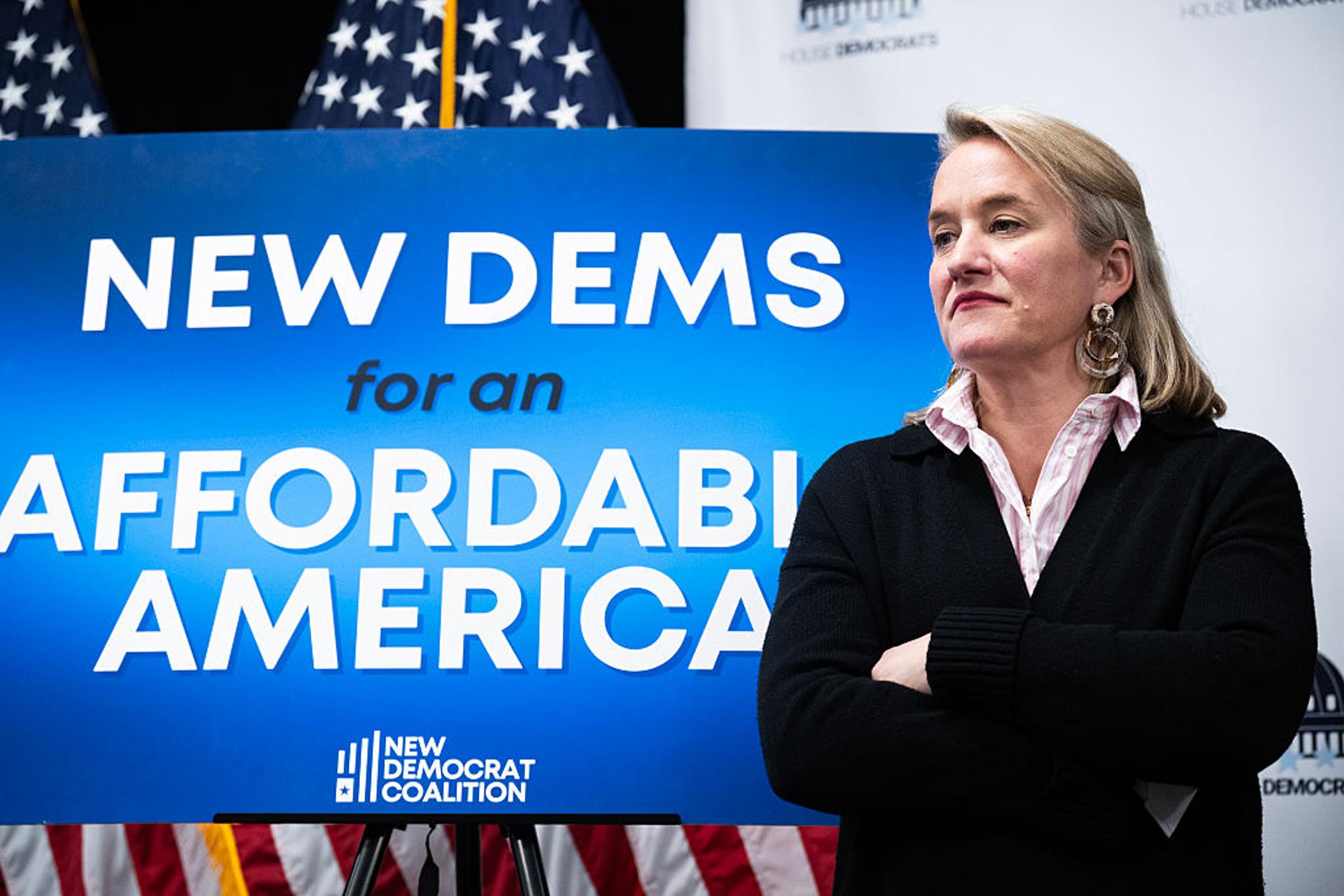
New Democrat Coalition dominates with 142 members
The New Democrat Coalition is the largest Democratic caucus with over 140 members, poised to represent more than half of the Democrats in the House.
New Democrats favor pragmatism and compromise

Members of the New Democrat Coalition sit at the party's center, generally favoring pragmatic economic policies, private-sector growth and bipartisan compromise.
Coalition added 40 new members in midterms
The coalition added forty members, including about thirty Democrats who flipped Republican-held seats in the midterms, expanding its influence over House floor bills.
Progressive Caucus represents the party's left wing
The Congressional Progressive Caucus, with over one hundred five members, more formally represents the party's left wing in the House and advocates universal health care and stronger labor protections.
Six democratic socialists joining Progressive Caucus
Six newly elected Democrats who belong to the Democratic Socialists of America are expected to join the Congressional Progressive Caucus in the new Congress.
Progressives plan to use votes as leverage
Several incoming lawmakers have already signaled that they intend to use their votes as leverage to secure commitments on issues like Medicare for All, defunding ICE, and ending American military assistance to Israel.
“use their votes as leverage to secure commitments on issues like Medicare for All, defunding ICE, and ending American military assistance to Israel”
Problem Solvers bring bipartisan compromise approach
The Problem Solvers Caucus is explicitly bipartisan, bringing together moderate Democrats and Republicans who favor negotiation and compromise to advance legislation.
Trump veto and Senate filibuster shape negotiations
Trump will remain in the White House, so any measure reaching his desk will be subject to veto. Most major bills will need Republican support to overcome the Senate filibuster.
Problem Solvers could bridge partisan divides
The Problem Solvers Caucus could play an important role in bridging divides between Democrats and Republicans, particularly on issues such as health care and government funding.
The main idea
Democrats face internal ideological divisions as they take the House with new members ranging from democratic socialists to moderates, with four major caucuses set to influence the party's direction.
Read the TL;DR — this story on one card.