From TIME · Rebecca Schneid · · 4m
G7 releases 100 million barrels to ease fuel crisis
Seven nations coordinate emergency oil release to combat record-high prices driven by wars in Iran and Ukraine, but experts warn real relief depends on timing and market confidence.
In brief
Seven nations coordinate emergency oil release to combat record-high prices driven by wars in Iran and Ukraine, but experts warn real relief depends on timing and market confidence. The G7 will release 100 million barrels of oil and fuel over four months to stabilize prices amid global shortages caused by wars in Iran…
G7 announces emergency fuel release
The Group of Seven countries said Friday they would release one hundred million barrels of oil and fuel products in the coming months, starting with substantial amounts of diesel.
Seven nations coordinate the effort
Canada, France, Germany, Italy, Japan, the United Kingdom, and the U.S. confirmed that the International Energy Agency will coordinate the release over the next four months.
Wars drive record fuel prices
The move addresses a global shortage largely attributed to slowdowns in oil passage through the Strait of Hormuz, amid record-high fuel prices driven by the war in Iran and fighting between Russia and Ukraine.
Trump pushed for the release
In talks leading up to Friday's announcement, Trump pushed European partners for the release, citing high fuel prices for Americans. Last month his administration threatened to suspend diesel exports.
Export threat pressured Europe
European leaders and oil executives said a diesel export ban would be disastrous for long-term oil flow. Experts believe the threat helped pressure those nations to release their fuel reserves.
Europe's release could help America
The agreement could offer relief for Americans even if released diesel stays in Europe, because Europe buys some diesel from the U.S. Releasing European reserves could ease competition for U.S. diesel.
Current fuel prices are record high
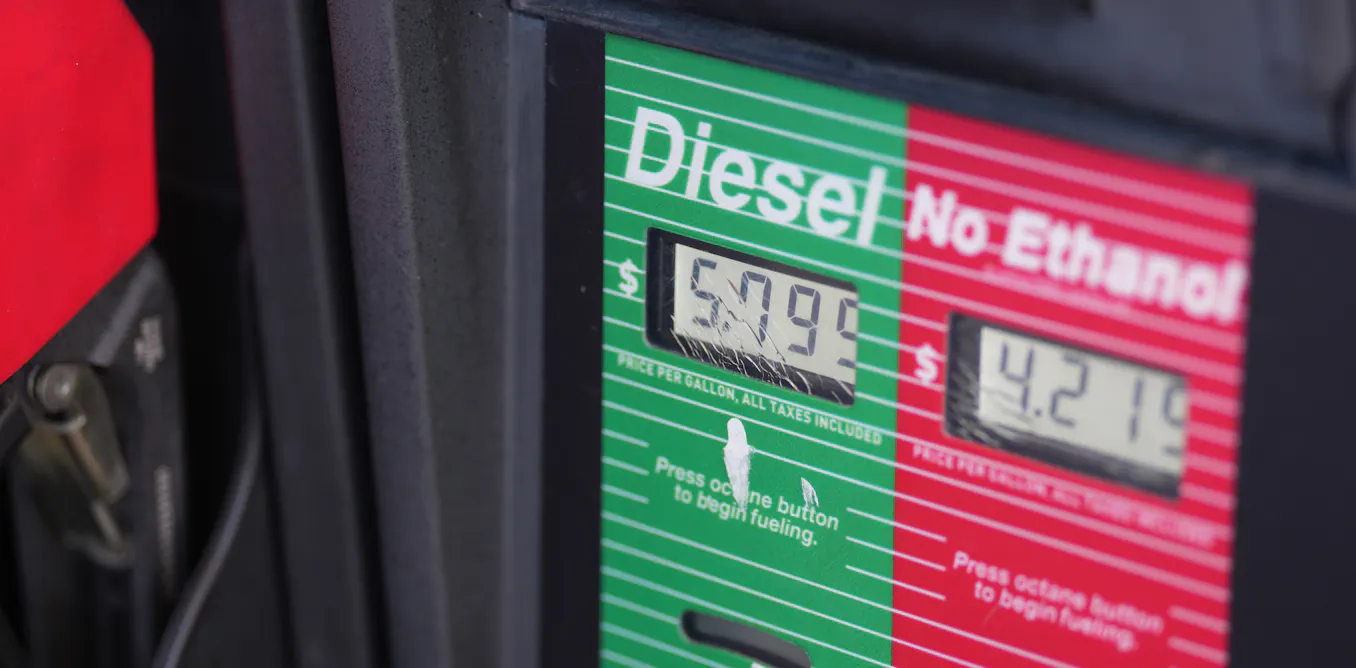
Brent crude oil sits at one hundred two dollars per barrel as of October third. On-highway diesel hit a high of six dollars and fifty two point nine cents per gallon last month, according to the U.S. Energy Information Administration.
Diesel release could help immediately
Although the G7 did not specify the full breakdown by fuel type, it said there will be a frontloaded and substantial release of diesel fuel within the first twenty days. Diesel is already a finished fuel, unlike crude oil.
Iran war closed the Strait
The U.S. and Israel launched joint strikes that ignited a war with Iran in February. In response, Iran effectively closed the Strait of Hormuz in March, restricting oil-carrying vessels with daily shipping traffic in the single digits last month.
Experts doubt quick consumer relief
Jason Bordoff, founding director of the Center on Global Energy Policy at Columbia University, says it is difficult to predict consumer impact given scarce details. He predicts Americans could see a drop of as much as twenty five cents per gallon.
“It makes a big difference if the release is in the next two weeks or if it's four months from now.”
Market confidence is crucial
David Bieri, an economist at Virginia Tech, says international interventions help signal to markets that governments are a credible safety net. The price of diesel futures in the U.S. fell eight percent on Friday morning.
Conflicts must end for lasting relief
Experts warn that fuel releases are temporary measures. Jason Bordoff says oil, gasoline, and diesel price shocks will continue until the Iran and Ukraine conflicts come to some sort of resolution and energy flows resume.
“We're going to continue to have oil, gasoline, and diesel price shocks until that conflict comes to some sort of resolution, and energy flows can get going again.”
Trump expects post-election resolution
Negotiations between Iranian leadership and the Trump Administration have stalled multiple times in the last six months. Trump said on September ninth that he expected a resolution to come after the midterm elections on November third.
“Right after the election, oil prices are going to be tumbling downward.”
U.S. adds pressure with sanctions
Senior Trump Administration officials met at Camp David on Friday to discuss the war. The U.S. last week added economic pressure in the region with sanctions aiming to curtail funding streams and stymy industrial lifelines for Iran.
What it means
The G7 will release 100 million barrels of oil and fuel over four months to stabilize prices amid global shortages caused by wars in Iran and Ukraine, though consumer relief remains uncertain.