From TIME · Angela Haupt · · 3m
How food experts stop groceries going to waste
Sustainability researchers and food scientists share the practical habits they use at home to eat what they buy.
In brief
Sustainability researchers and food scientists share the practical habits they use at home to eat what they buy. Food-waste experts use strategies like planning meals before shopping, repurposing leftovers, and storing food strategically to reduce what they throw away. Originally reported by TIME.
The gap between plans and reality
Even food-waste experts buy groceries they never use. Shelie Miller, who studies sustainability at the University of Michigan, describes the temptation of fall squash without a plan.
“It's fall. I'm feeling the fall vibes.”
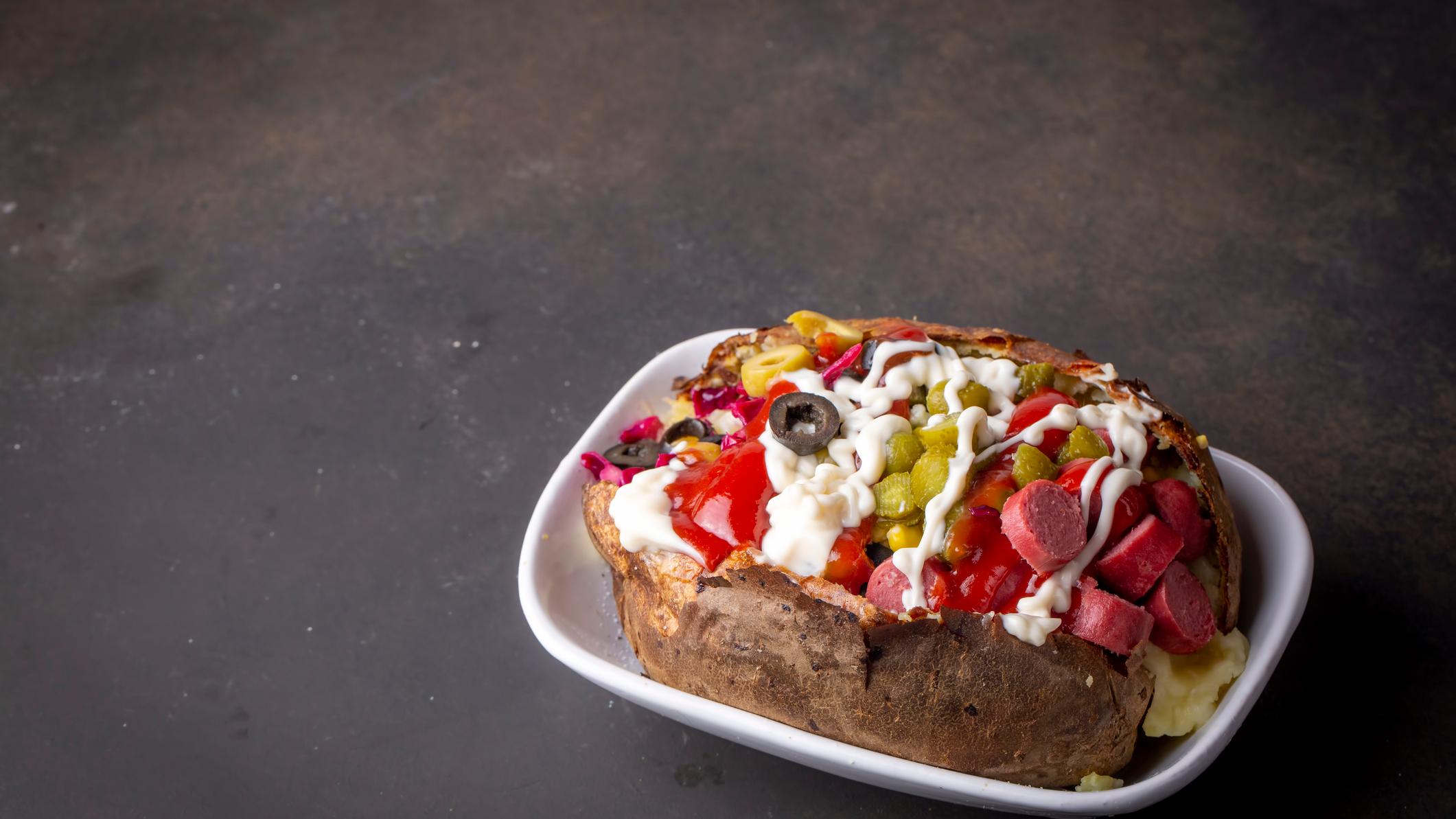
Make a kitchen-sink potato
Miller bakes a potato once a week and tops it with leftover vegetables and small portions from other meals. Her husband guesses what will be on it each week.
“I always call it a garbage potato, or maybe it's better to call it a kitchen-sink potato.”
Give broccoli stems a second life
Jonathan Deutsch, a professor at the Drexel Food Lab, peels broccoli stems to reveal the tender interior, which he calls one of the most delicious vegetables. He air-fries them with the florets.
“The same care and love that went into the florets went three inches lower into the stem.”
Plan second uses before cooking
Miller and her husband decide what to do with leftover ingredients before they start cooking. Half a cabbage might become rolls or soup. This extends the menu and reduces waste.
“Getting comfortable with all the different ways you can prepare different ingredients really helps extend the menu.”
Check what you have first
Deutsch starts by checking his kitchen before deciding what to buy. He looks for canned tuna, beans, or frozen chicken to build a meal from what he already has.
“Instead of generating more waste that you have to deal with, you're taking surplus food and you're making it into new things that you want to eat.”
Keep apples in the fridge
Brian Roe, a professor of agricultural economics at Ohio State University, keeps apples in the refrigerator rather than on the counter. He rarely loses one to spoilage this way.
“I'm an apple kind of person.”
Shop your freezer first
Miller and her husband check their freezer before deciding what to buy or cook. They discovered they had lunches covered for a week and portions of tomato paste they had frozen.
“It just goes into the abyss of a freezer.”
Freeze soup flat to save space
Miller's husband freezes soups and liquids flat in zip-top bags on a sheet pan. Once frozen, they stack like folders, taking up less space than bulky containers.
“It ends up like these little folders of soup.”
Keep a stock bag in the freezer
Deutsch saves onion trimmings, mushroom bits, and herb stems in a freezer bag. When he makes stock, he has a head start. He is selective about what goes in to control the flavor.
“Stock is like magic.”
Make leftovers worth eating again
Roe uses an air fryer to reheat restaurant leftovers, making them tasty and crispy. He stores leftovers in a way that makes him want to use them the next time.
“That makes things kind of tasty and crispy again.”
Ask AI before buying more
Deutsch suggests using a chatbot to find recipes for ingredients you already have. Tell it how much time you have, what equipment you are using, and your comfort level in the kitchen.
“Make me an easy recipe with these ingredients.”
Respect the protein
Miller explains that animal products have a larger environmental footprint than plant foods. She and her husband serve smaller meat portions and use meat as an accent to the meal.
“Respect the protein.”
Calculate what guests will eat
Roe uses the Guest-imator tool from Save the Food to estimate how much to prepare for a gathering. He tries to calculate what guests will actually eat rather than overbuying.
Plastic matters less than food waste
Miller studies plastic packaging but uses zip-top bags to freeze soup. Her research found plastic packaging accounts for less than ten percent of the environmental footprint of most foods.
“When you look at the environmental impacts of food waste versus a single-use plastic bag, the food waste is the much more important thing.”
Compost what you cannot eat
Miller collects food scraps in a metal pail but does not see composting as a substitute for eating the food she buys. She focuses first on using what is in her kitchen.
“A lot of folks think, well, hey, I'm composting, so it's OK to waste food.”
What it means
Food-waste experts use strategies like planning meals before shopping, repurposing leftovers, and storing food strategically to reduce what they throw away.