From TIME · Barry Levitt · · 4m
How Judy Heumann Changed Disability Rights
A new film tells the true story of the longest federal building occupation in US history, when disabled activists forced the government to enforce disability protections.
In brief
A new film tells the true story of the longest federal building occupation in US history, when disabled activists forced the government to enforce disability protections. Judy Heumann led a 26-day sit-in at a San Francisco federal building in 1977 that forced the government to enforce Section 504, a disability rights…
The law that wasn't enforced
Section 504 of the 1973 Rehabilitation Act banned discrimination against disabled people in public buildings and required physical accessibility. Five years later, in 1977, it still was not enforced.
Carter promised, then delayed
President Jimmy Carter promised to enforce Section 504 after his election. His secretary of health, education and welfare, Joseph Califano, said he needed more time to review it.
Heumann's sit-in begins

Exasperated by inaction, Judy Heumann and disability activists staged a sit-in at the San Francisco Health, Education and Welfare federal building on April five, nineteen seventy-seven.
Heder brings the story to film
Director Siân Heder, whose film CODA won the Oscar for Best Picture, read Heumann's memoir Being Heumann and sent a cold email about making a film.Heumann responded within hours, saying Heder could pitch her idea.
Heder's vision: a disabled cast
Heder pitched her idea to Heumann, highlighting her desire to make the film with a disabled cast. Heumann was excited by that idea, and the two collaborated closely for two years.
Deep research into the protest
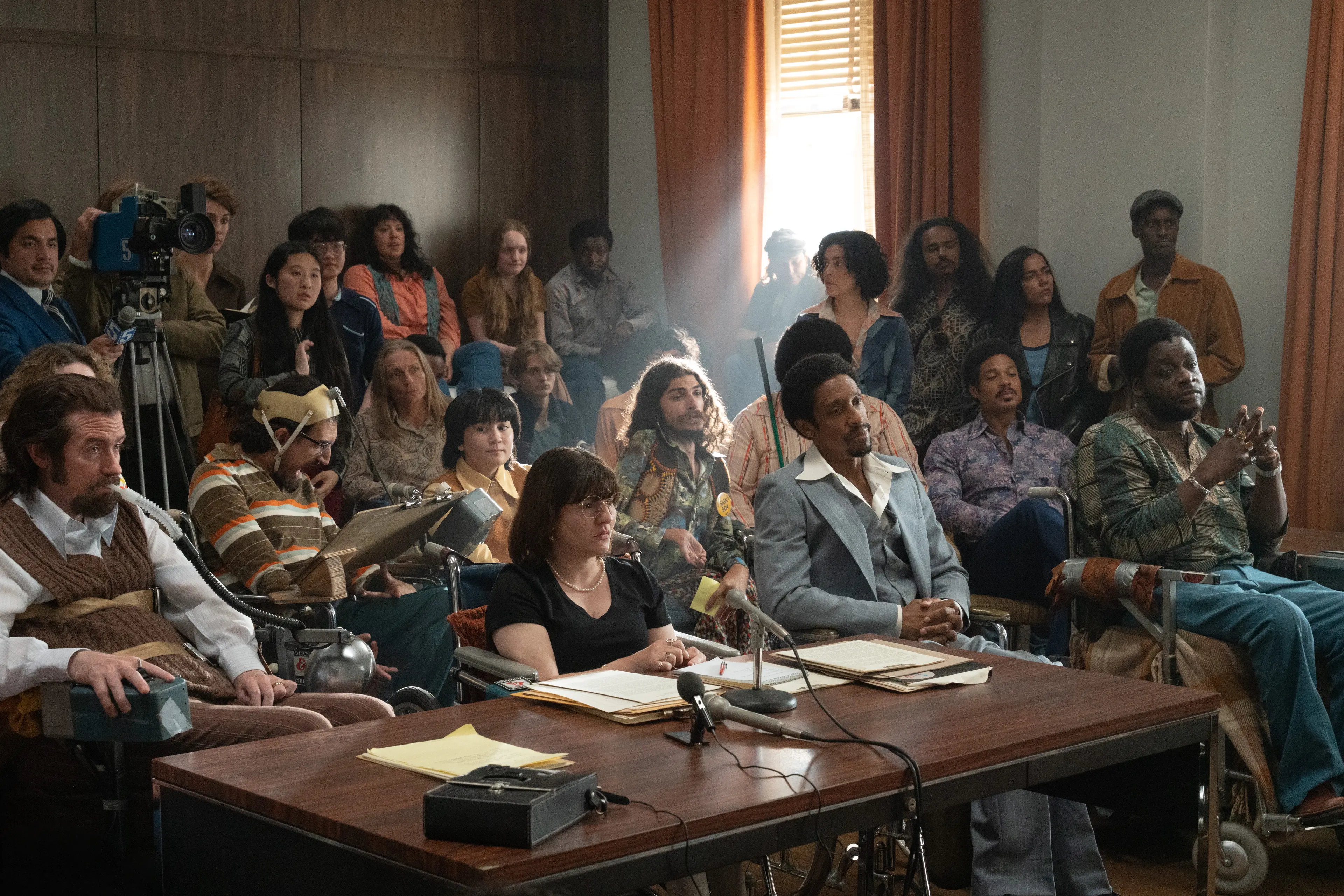
Heder interviewed around thirty people directly involved in the protests.She also drew on oral histories from the Paul K.Longmore Foundation at San Francisco University, including a two hundred page document from sit-in leader Kitty Cone.
Madeley inhabits Heumann
Ruth Madeley, also a wheelchair user, was drawn to how Heumann spoke about her mother fighting with principals to let her attend school. Madeley's own mother fought to get one single ramp in school.
A fully rounded character
Being Heumann depicts Heumann as fully well-rounded. She is sexy, complicated, hot-headed, frustrating, and determined. The film shows her warrior-like insistence on remaking the world combined with vulnerability underneath.
Ingenious adaptations in the building
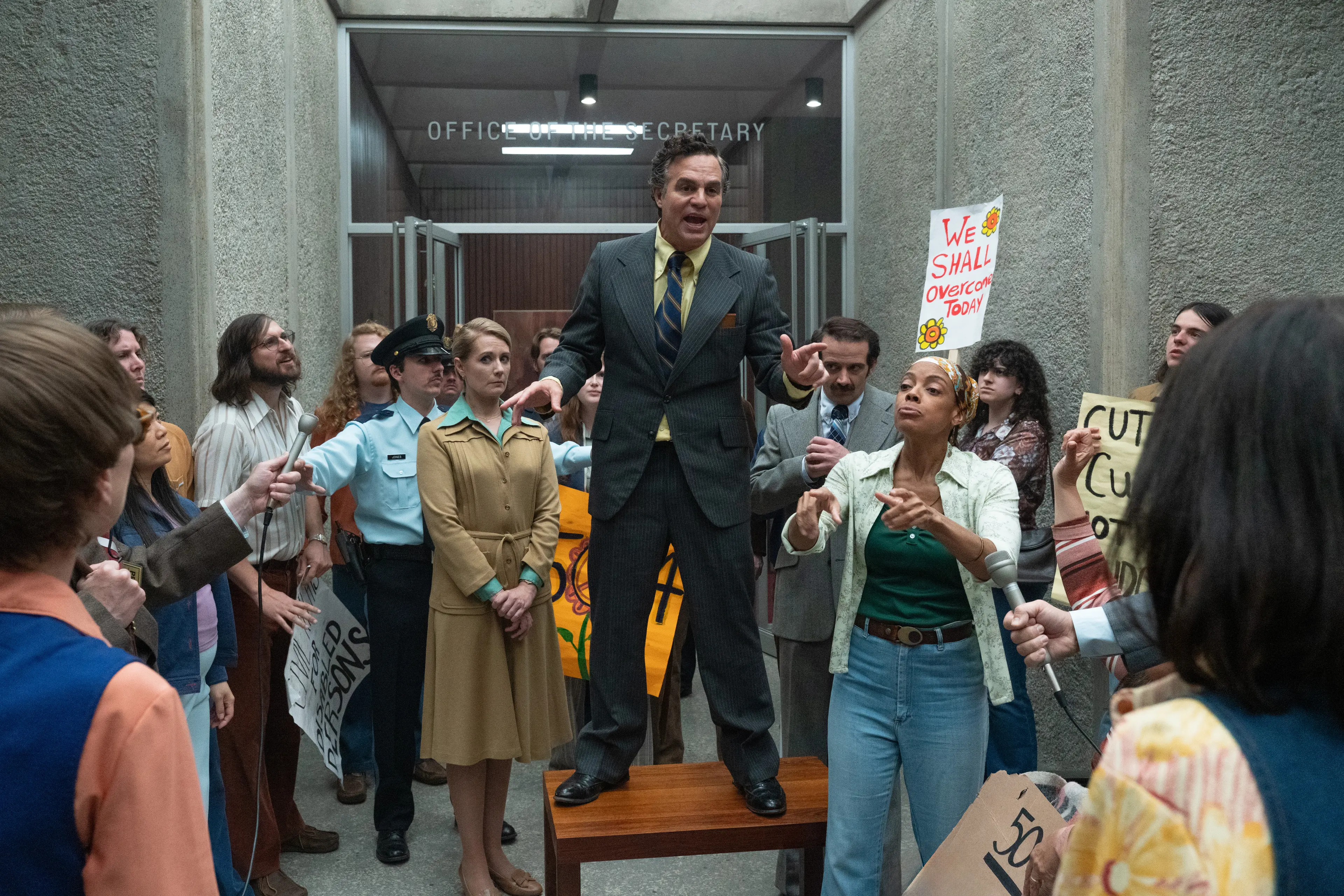
Around one hundred fifty disabled people occupied a building not designed for disabilities.They reconfigured an air conditioning unit into a refrigerator for medication.
Community support from outside
The Black Panther Party provided hot meals daily for the protesters. The Mayor's office delivered mattresses and portable showers. Conditions were tough, and concerns around survival increased as the days wore on.
Heumann's collective leadership
Heumann led by bringing people together and never wanted it to be all about her.It was about the collective.Being Heumann highlights intersectionality in activism, showing how people with different disabilities came together and clashed.
Different needs, different solutions
Wheelchair users wanted curb cuts to travel streets, but a blind person noted that curb cuts made things more challenging.These discussions, inspired by real conversations, show the vastly different needs of people with different disabilities.
A sexual revolution in the building
The protesters established a sex tent in the federal building.This was no cinematic flourish but a real element of the sit-in.Disabled characters are often infantilized or desexualized, but a sexual revolution was happening inside.
Califano sends his assistant instead
Eleven days into the protest, Califano agreed to meet the protesters but sent his assistant Gene Eidenberg instead of coming himself. Heumann was devastated and furious but stayed and went through with the conversation.
Heumann stays in Washington
After twenty days, some activists flew to Washington, D.C.to protest outside Califano's house while others kept the sit-in going.Heumann stayed in D.C.
“I have to stay here and keep the pressure on.”
Victory on April 28
On April twenty-eight, nineteen seventy-seven, Califano signed the Section five hundred four regulations.The sit-in lasted twenty-six days, making it the longest sit-in in US history.Heumann stayed in D.C.to ensure five hundred four became law.
Heumann's relentless focus
The moment Heumann won, she moved to the next thing that had to be accomplished.She could see the possibility for the ADA.
Freedom inside, uncertainty outside
Walking out to cheering crowds was euphoric, but leaving meant going back to a world that did not understand them.Inside the building, they felt free from judgment and pity.
The fight continues after victory
Thirteen years after the sit-in, the Americans with Disabilities Act was passed.Heumann continued her activism, serving in the Clinton and Obama administrations.
The short version
Judy Heumann led a 26-day sit-in at a San Francisco federal building in 1977 that forced the government to enforce Section 504, a disability rights law that had gone unenforced for five years.