From TIME · Eric Cortellessa · · 5m
Israel votes on Netanyahu and its future
On October 27, Israelis choose between Benjamin Netanyahu and challengers offering a different direction for a traumatized nation.
In brief
On October 27, Israelis choose between Benjamin Netanyahu and challengers offering a different direction for a traumatized nation. Israel holds an election on October 27 that will determine whether Netanyahu continues leading or a new generation takes over, with profound consequences for the country's democratic…
Quick answers
- Can Israel move beyond Netanyahu?
- Netanyahu has dominated Israeli public life for nearly three decades, surviving scandals, indictments, and electoral defeats.The question is whether a political system he has mastered can produce a future that no longer revolves around him.
- What is the key takeaway from Israel votes on Netanyahu and its future?
- Israel holds an election on October 27 that will determine whether Netanyahu continues leading or a new generation takes over, with profound consequences for the country's democratic character and international standing.
A nation at a crossroads
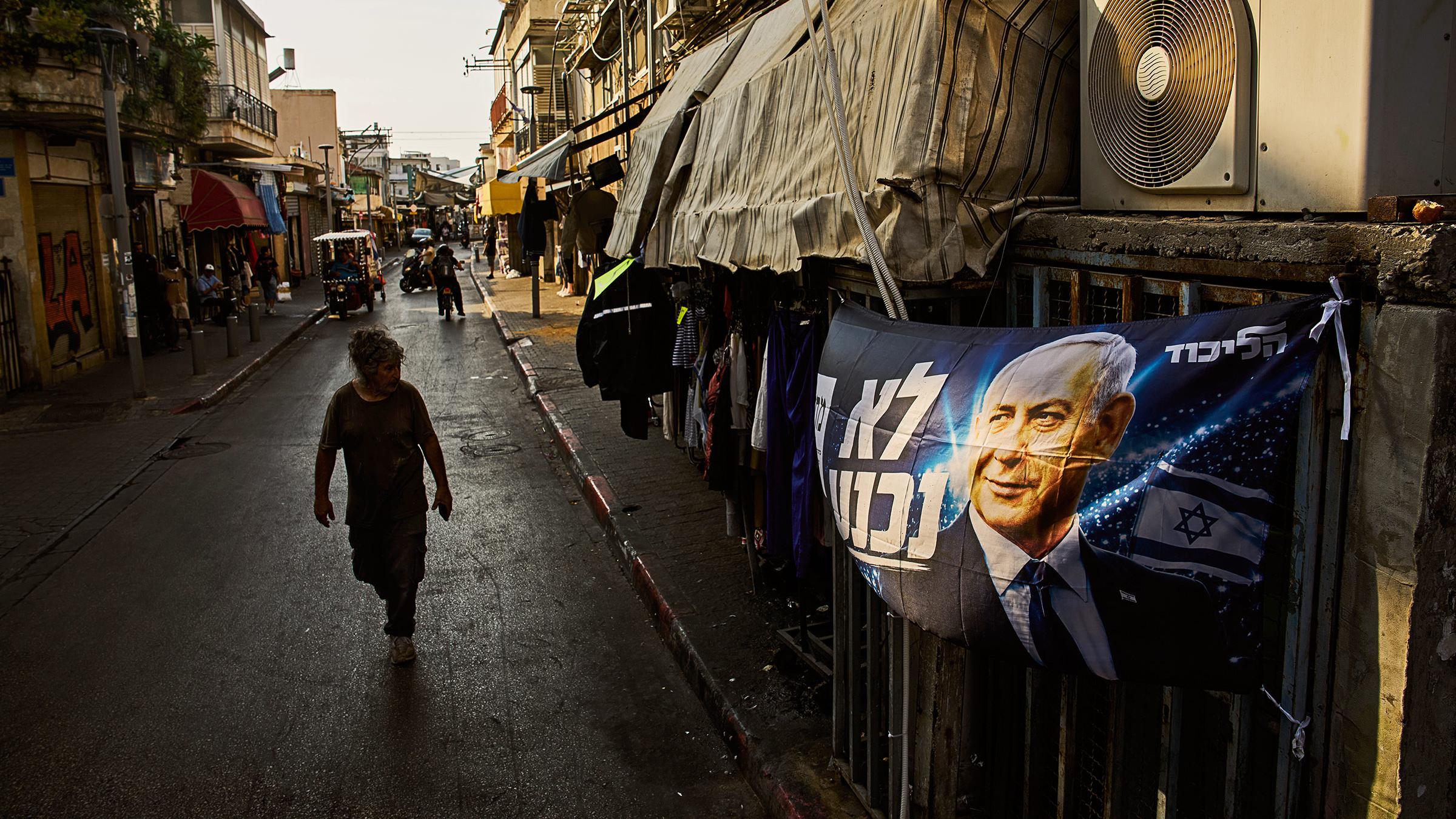
Israel holds an election on October 27 with stakes as great as any in the country's 78-year history. The vote is a referendum on Benjamin Netanyahu and the nature of the country he has shaped.
The trauma still raw
On October 7, 2023, Hamas killed 1,200 people in Israel and took 251 hostages. Israelis remain preoccupied by that day's atrocities, including sexual violence and families burned alive in their homes.
The cost in Gaza
Nearly 75,000 Palestinian fatalities have occurred in Gaza since the war began. The death toll includes 20,000 children, though critics accuse Israel of committing genocide, a charge Israel rejects.
Netanyahu's challengers
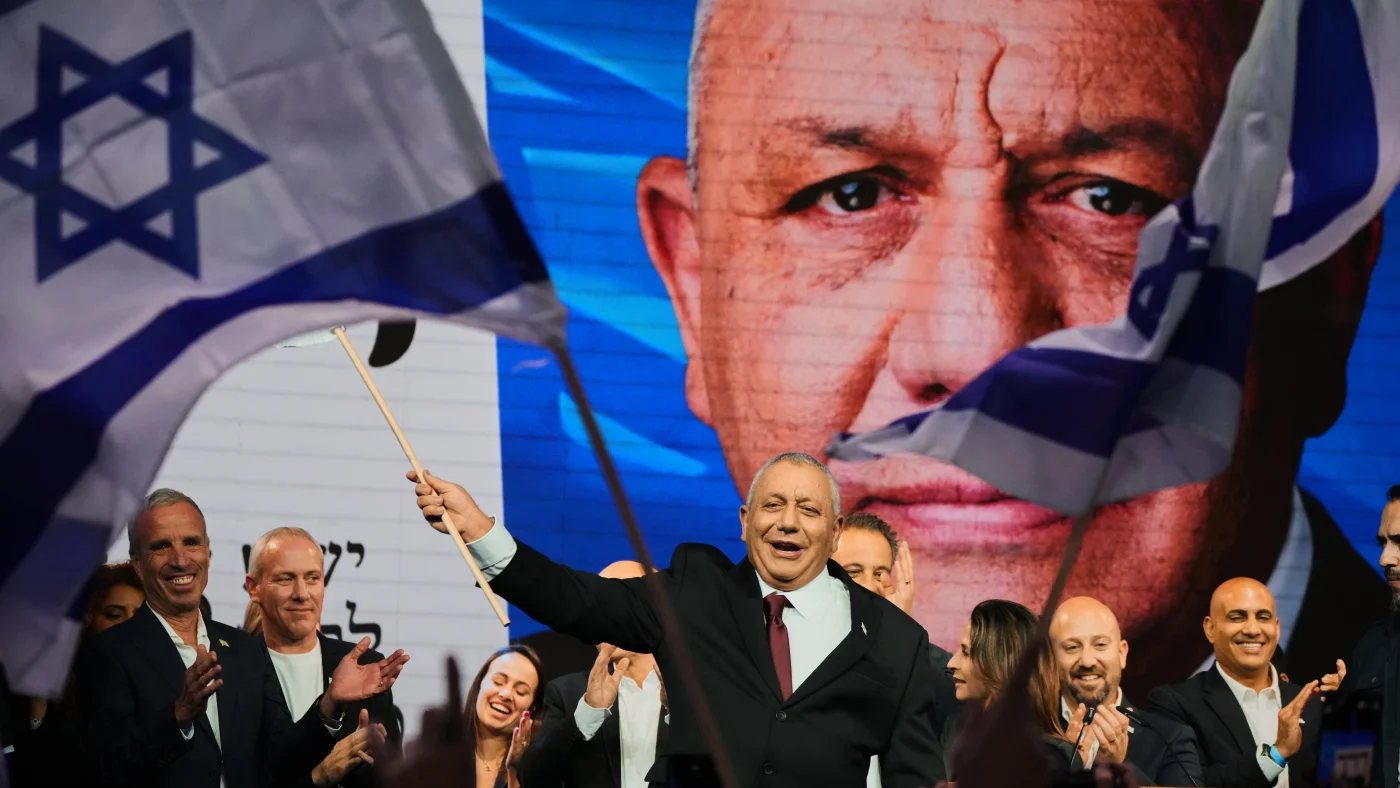
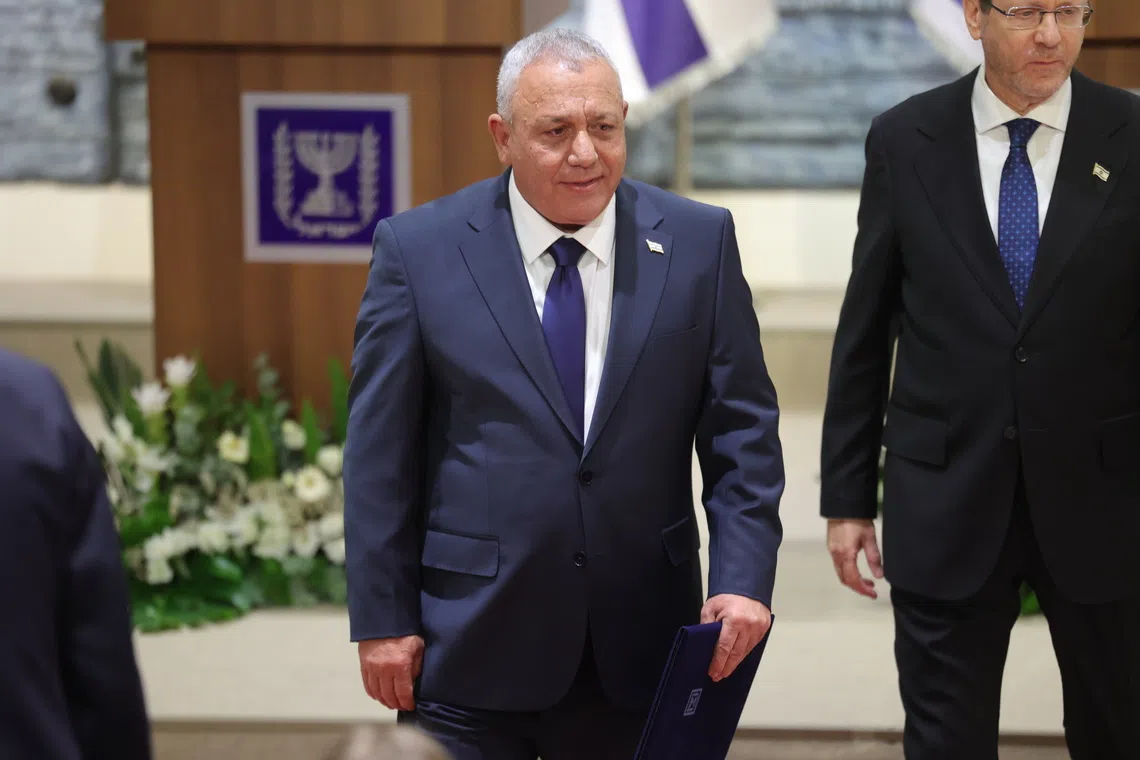
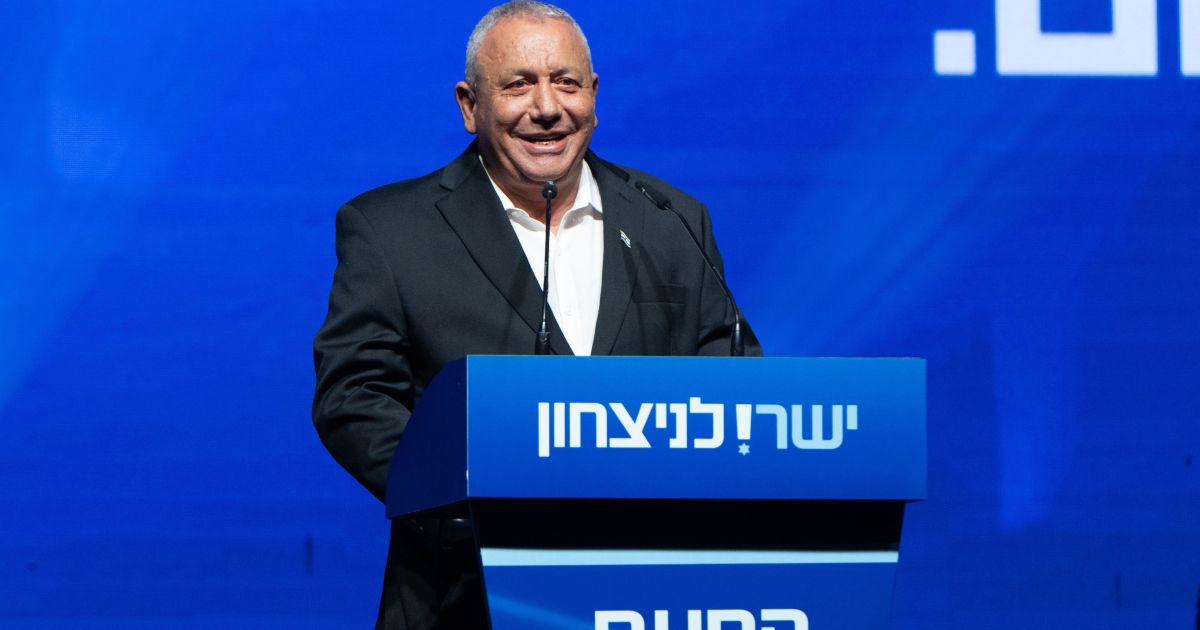
Arrayed against Netanyahu are Gadi Eisenkot, the former military chief; Naftali Bennett, the right-wing former prime minister; Yair Lapid, the centrist former premier; and Avigdor Lieberman, the hawkish secular nationalist.
The far-right factor
Itamar Ben-Gvir and Bezalel Smotrich, far-right extremists whose parties enabled Netanyahu's current coalition, seek to annex the West Bank and resettle Gaza, constraining Netanyahu's room to maneuver.
Eisenkot's case for change
Eisenkot, whose son Gal and nephew died fighting Hamas in Gaza, campaigns on restoring public trust, rebuilding security, and healing divisions. He told TIME this election is about Israel's identity.
“This election is about the identity of Israel. What will be Israel two weeks from now, 10 years from now, 20 years from now? This is the main question.”
A dead heat
Three years after Netanyahu's political obituary was written, pre-election polls show him running in a dead heat with Eisenkot. Political analysts say almost anything can happen on October 27.
Four possible outcomes
Netanyahu and Eisenkot could form a unity government. Netanyahu could build another right-wing coalition. Eisenkot could join Bennett, Lapid, and Arab parties to oust Netanyahu. Or no bloc reaches 61 Knesset seats, triggering another election.
Netanyahu's unity preference
According to two sources familiar with Netanyahu's thinking, he would prefer a unity government with Eisenkot.
Netanyahu's personal calculation
The other reason is personal. Netanyahu has little desire to remain beholden to Ben-Gvir and Smotrich. One Netanyahu aide says, "He thought that he could control Ben-Gvir. Now he knows that he can't."
“He thought that he could control Ben-Gvir. Now he knows that he can't.”
Settlers fear Netanyahu will compromise
Settlers in Neve Daniel and across the West Bank regard Netanyahu as a cynical opportunist who will accommodate American presidents. They cite his history of signing peace agreements and imposing settlement moratoriums.
Three settlers, three parties, one goal
Barak Moore supports Zehut, a libertarian nationalist party. Avi Abelow, 52, votes for Netanyahu's Likud. Hershey Kellner, 19, supports Ben-Gvir's Otzma Yehudit. All want a right-wing government constrained by uncompromising allies.
The Gilad Shalit precedent
Kellner invokes the 2011 deal freeing Israeli soldier Gilad Shalit in exchange for over 1,000 Palestinian prisoners, including Yahya Sinwar, who later masterminded October 7. Kellner believes sparing Sinwar was catastrophic.
“If you hanged him or put a bullet in the back of his head, not sure how the world would be now, but it would definitely be better.”
A nation divided against itself
For three years Israel has been at war with itself. The solidarity after October 7 has given way to recriminations and ideological divisions over responsibility for the security lapse and conduct in Gaza.
The exodus fear
A recent survey found 59 percent of Israelis believe internal threats exceed external ones, while 64 percent considered leaving, citing insecurity, living costs, and political instability.Tens of thousands departing could drain the country of talent.
The paradox of refuge
Israel was founded as a refuge for persecuted Jews.Now some Israelis contemplate leaving, not from loss of faith in a Jewish state, but from fear of its political direction.
Netanyahu's siege mentality strategy
Netanyahu counts on siege mentality to sustain his political survival.He presents himself as hardened by history, experienced in diplomacy, and ruthless in power.His message: the world is too dangerous to entrust security to anyone else.
Competing narratives of war
The documentary NAZA exposes the military's systematic use of artificial intelligence to identify Hamas targets even when bombing would kill women and children. Meanwhile, Fauda's fifth season recreates October 7 atrocities in harrowing detail.
The coalition test ahead
Polls and analysts indicate no single bloc will muster a legislative majority. The leading vote-getter will have weeks to gather a coalition, a test of political leadership at which Netanyahu has long excelled.
Can Israel move beyond Netanyahu?
Netanyahu has dominated Israeli public life for nearly three decades, surviving scandals, indictments, and electoral defeats.The question is whether a political system he has mastered can produce a future that no longer revolves around him.
The takeaway
Israel holds an election on October 27 that will determine whether Netanyahu continues leading or a new generation takes over, with profound consequences for the country's democratic character and international standing.