From TIME · Rosemary Counter · · 3m
Lizzie Borden's mansion reveals a different woman
The accused murderer's lavish home suggests she was far more complex than true crime history remembers.
In brief
The accused murderer's lavish home suggests she was far more complex than true crime history remembers. Maplecroft shows Lizzie Borden as a woman who rejected social constraints and lived boldly after her acquittal, not as the lonely outcast popular culture portrays. Originally reported by TIME.
Acquitted murderer built her dream home
After being freed for her parents' 1892 deaths, Lizzie Borden spent her $10 million inheritance on Maplecroft, a lavish seven-bedroom Victorian mansion in Fall River, Massachusetts.
The house few tourists ever find
While 50,000 annual visitors tour the murder house a mile away, Maplecroft remains a private residence on Fall River's prestigious Hill neighborhood, largely unknown to true crime fans.
Modern owners reluctant at first
Brooke and Michael Doherty bought Maplecroft in 2021 despite initial hesitation about living in a hatchet murderer's home. The Victorian's craftsmanship and space eventually won them over.
“When Michael first showed me the house, I said I didn't want to live in the house of a hatchet murderer.”
Luxury upgrades from the murder house
Maplecroft featured electricity, running hot and cold water, and flush toilets in all three-and-a-half bathrooms. It was a spectacular upgrade from the humble home where her parents were killed.
She owned one of town's first cars
Borden drove a black Ford Model T nicknamed the Tin Lizzie, stored in her carriage house with a private gas pump and customized turntable. She apparently couldn't reverse park.
Popular history gets her wrong
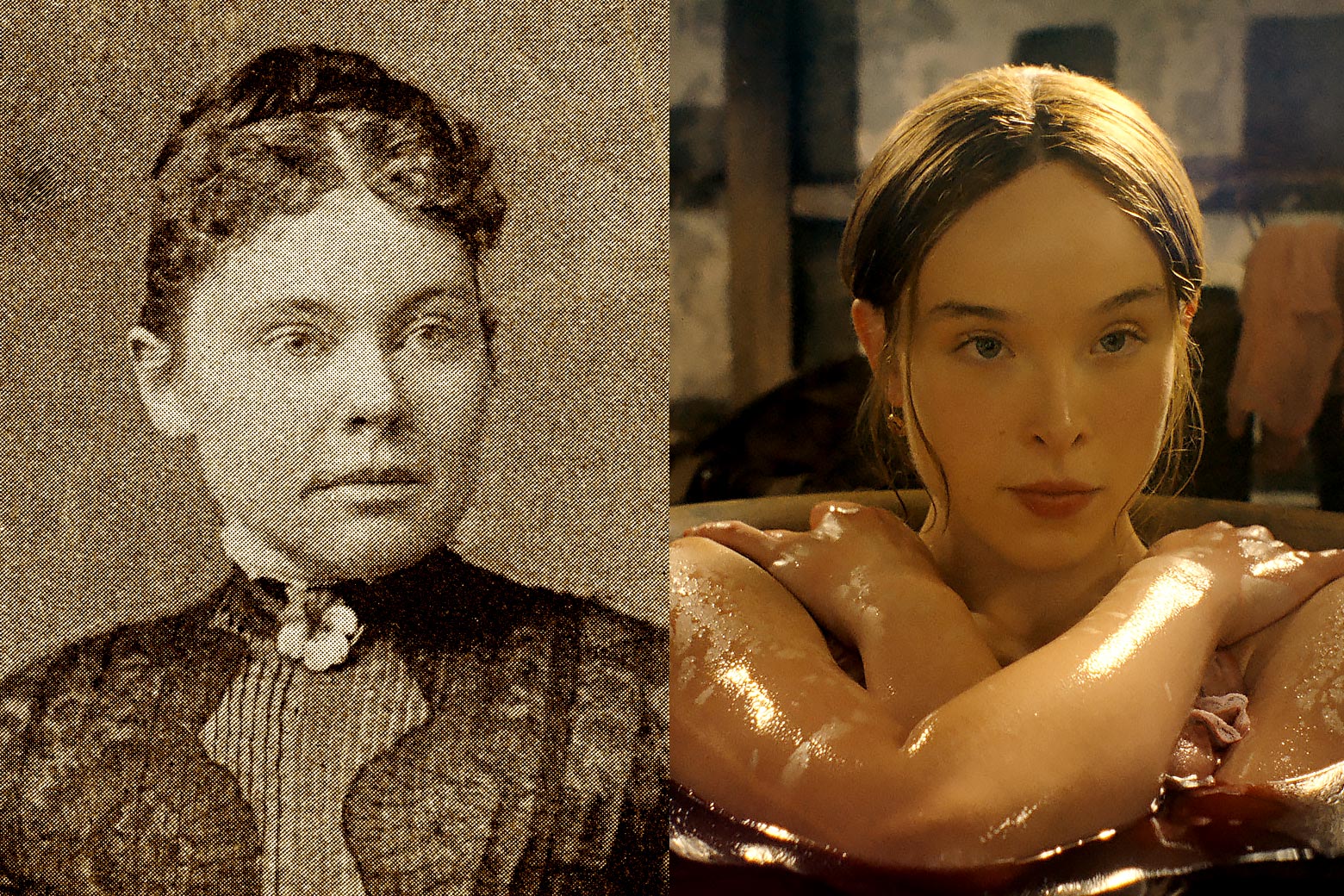
Borden lived at Maplecroft with her sister Emma and several pets. She wasn't the lonely outcast popular culture claims, though townspeople largely shunned her despite the jury's verdict.
She found her people in theater
In 1904, Borden befriended famous actress Nance O'Neil and the Massachusetts theater community. She attended plays regularly and abandoned church and temperance work to embrace this rowdier crowd.
Basement speakeasy hosted wild parties
Behind her tall fence, Borden hosted loud, lavish parties in Maplecroft's basement, complete with a dance floor and hidden cupboards for storing whiskey bottles during Prohibition.
Sister Emma couldn't take it anymore
After a particularly offensive week-long party in 1905, Emma packed her bags and left forever. She told the Boston Post the conditions had become absolutely unbearable.
“The happenings at the French Street house that caused me to leave, I must refuse to talk about.”
Sisters died days apart, never reconciled
Emma cut ties with Lizzie on her reverend's advice and moved away. They never met or spoke again, but died days apart in 1927 and were buried next to each other.
Her will reveals her values
Childless Lizzie left most of her money to Fall River's Animal Rescue League, gifting property, jewelry, books, and furniture to distant friends and family.
Current owners believe she was innocent
The Dohertys see Maplecroft as evidence of a kind, generous woman with good taste. Living in her home has convinced them that despite popular opinion, Lizzie didn't commit the murders.
“The longer we live here, the more we're convinced she didn't do it.”
What matters most
Maplecroft shows Lizzie Borden as a woman who rejected social constraints and lived boldly after her acquittal, not as the lonely outcast popular culture portrays.