From TIME · · 5m
mRNA's next act: from COVID to cancer
Moderna's Stéphane Bancel bet on an dismissed technology and turned it into a platform for treating infectious diseases, rare diseases, and cancer.
In brief
Moderna's Stéphane Bancel bet on an dismissed technology and turned it into a platform for treating infectious diseases, rare diseases, and cancer. Moderna's mRNA cancer vaccine intismeran reduced melanoma recurrence by forty-two percent, validating a platform Bancel built from a technology most scientists dismissed…
The bet on mRNA
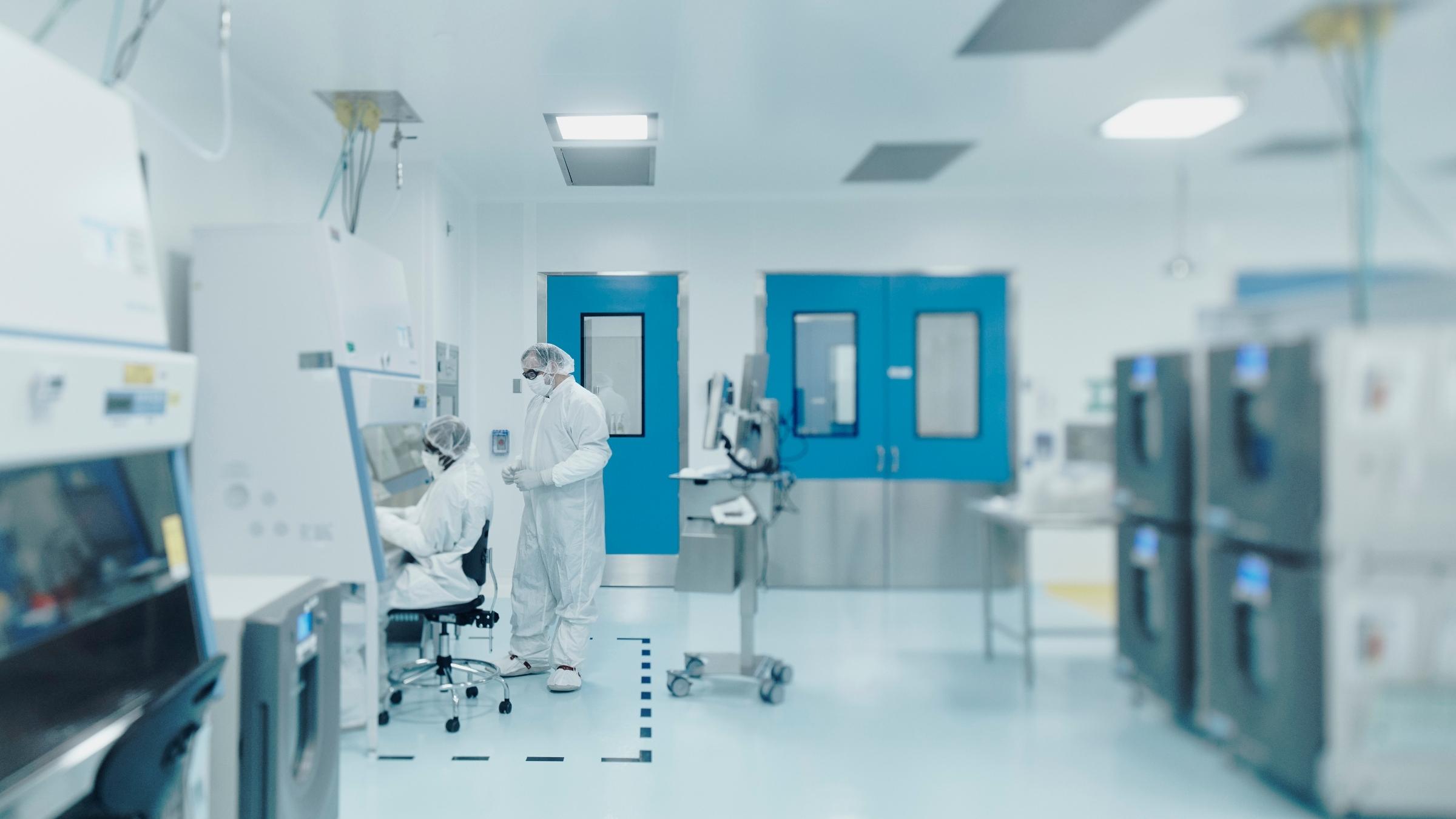
Fifteen years ago, most scientists dismissed mRNA as too unstable to form the basis of new medicines. Stéphane Bancel, CEO of Moderna, saw it differently and built a platform to prove them wrong.
“It was crazy to think of using mRNA as a drug.”
The fateful meeting
In two thousand eleven, Noubar Afeyan of Flagship Pioneering showed Bancel data from mice injected with human mRNA to make human protein. Bancel saw the potential and took the job as Moderna's first CEO.
“if it works, you're going to be able to make hundreds, maybe thousands of medicines that you cannot using [current] biotech technology”
The platform vision
Bancel believed mRNA could work like computer operating systems: a foundational platform from which many different treatments could be developed in a plug-and-play scenario for multiple diseases.
“mRNA is the information molecule, so if you find the way to safely and effectively get it into the right cells, you can unlock a lot of medicines to help people's suffering.”
COVID's impact

Moderna's mRNA COVID vaccine saved an estimated two million lives globally and earned the company forty-six billion dollars from two thousand twenty-one to two thousand twenty-four, putting mRNA on the map.
The early hurdles
Antonin de Fougerolles, Moderna's first chief scientific officer, faced two major challenges: controlling the immune response mRNA generated and delivering it to the right cells. Eight or nine out of ten experiments failed.
“It's like blank sheets of paper.”
The cancer vaccine idea
In two thousand fifteen, Dr. Tal Zaks proposed an individualized cancer vaccine using mRNA to code for mutations in each patient's tumor, combined with a checkpoint inhibitor. Bancel embraced the idea immediately.
“And that was the first day I thought about the idea of intismeran.”
The expensive bet
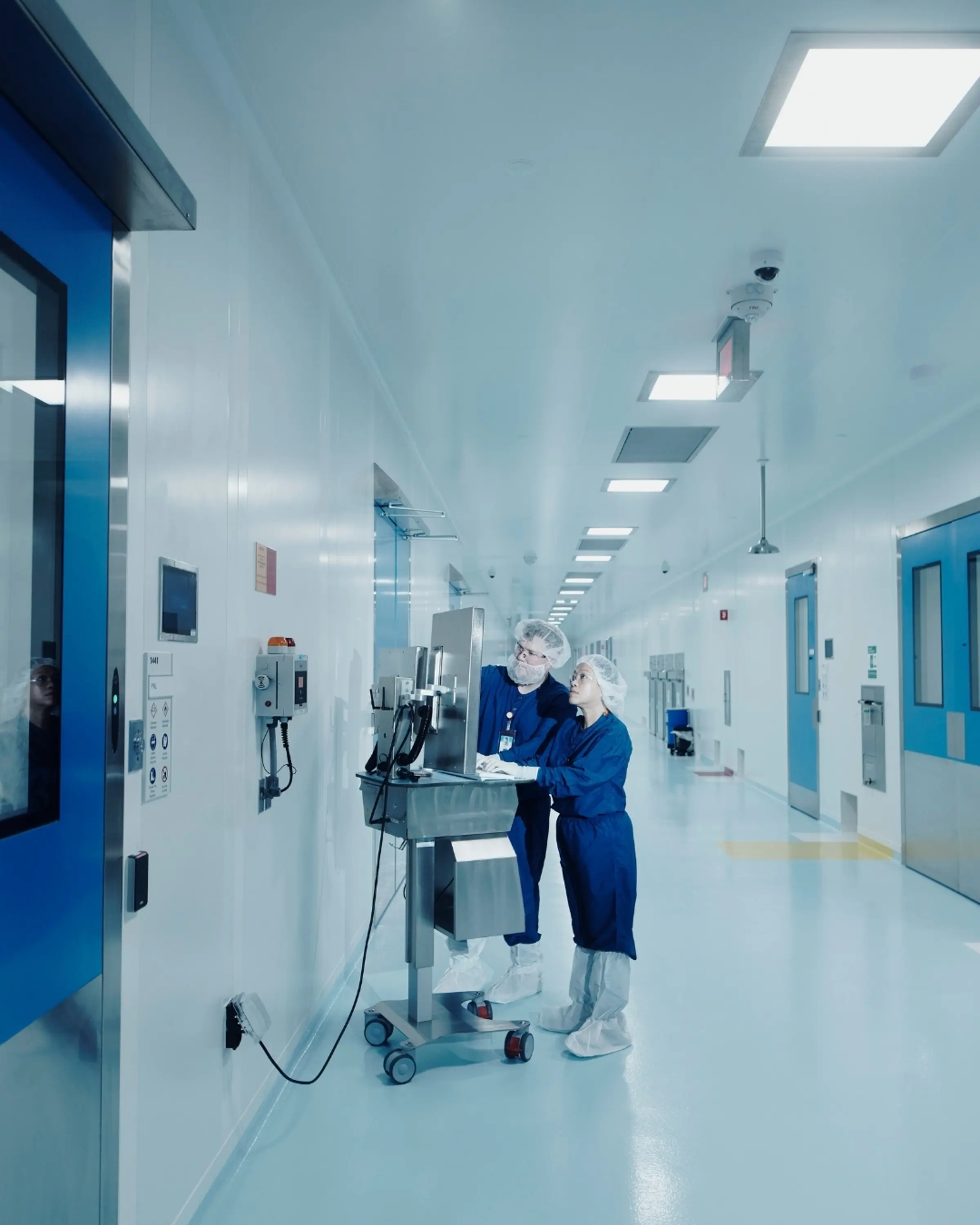
Zaks warned Bancel that no cancer vaccine had ever worked and the trial would cost more than any Moderna study before it.
“If we couldn't do that, it wasn't worth the effort.”
The thirty-four marker formula
Dr. Tal Zaks and his sequencing team determined that intismeran would target thirty-four tumor markers. The number came from calculating the maximum mRNA message length needed to reliably cover what tumors expressed.
“It was no magic number that we calculated somehow with complicated math. It was extremely simple.”
COVID diverts the company
As patients enrolled in the cancer study, COVID struck. Bancel pivoted nearly all of Moderna's resources to developing a COVID vaccine, though Dr. Stephen Hoge debated whether to abandon cancer patients.
“'Do you want me to stop treating people with cancer? Do I turn away a melanoma patient?'”
The platform advantage
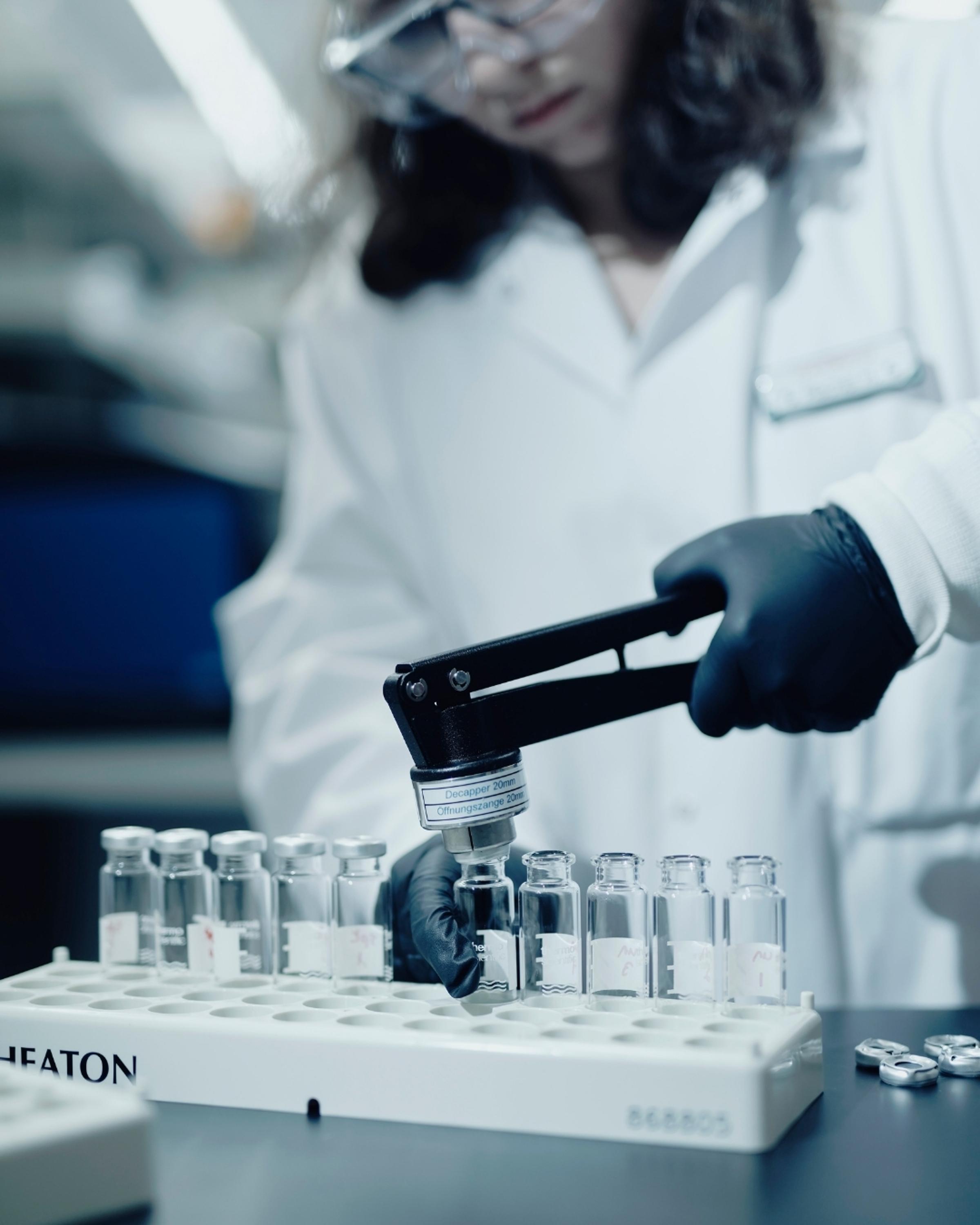
Moderna's platform, built for rare diseases, infectious diseases, and cancer, allowed a small company to respond to the pandemic. The first mRNA COVID vaccine was made in the intismeran manufacturing facility.
“We built it for all three. People ask, How could such a small company be ready for the COVID pandemic? We weren't. We had a platform that allowed it to happen.”
The whopping effect
In October two thousand twenty-six, almost a decade after starting development, Moderna and Merck reported that intismeran combined with pembrolizumab reduced melanoma recurrence by forty-two percent in mid- to late-stage patients.
A patient's hope
Beth Ryzyk, diagnosed with Stage IIIC melanoma in two thousand twenty-four, joined the intismeran trial at Memorial Sloan Kettering Cancer Center. She had eighty tumor markers and received a personalized vaccine designed for her mutations.
“It's pretty amazing that they can individualize it to me and teach my body what to fight.”
Political headwinds
During Trump's second term, mRNA became technology non grata.Robert F.Kennedy Jr., Secretary of HHS, is a longtime vaccine skeptic.In May two thousand twenty-five, HHS canceled a seven hundred sixty-six million dollar contract with Moderna.
The FDA reversal
The FDA initially refused to review Moderna's mRNA flu vaccine application, finding fault with the trial design despite previously accepting it. The government reversed its decision and approved the shot in August two thousand twenty-six.
Financial pain and layoffs
Waning COVID vaccine interest and the canceled government contract dealt a brutal blow to Moderna's finances. Bancel laid off ten percent of his workforce and shut down or delayed some projects, including a cytomegalovirus vaccine.
“Business-wise it was easy, because you do the math, but emotionally it was really hard to separate with people who helped us build the company.”
The competitive landscape
Weeks before Moderna's intismeran success, competitor BioNTech reported its mRNA cancer vaccine failed to show benefit compared with placebo in a similar combination with a checkpoint inhibitor in advanced head and neck cancer.
Expanding the pipeline
Moderna is conducting nine clinical trials involving intismeran in melanoma, kidney, gastric, lung, and pancreatic cancer, plus an early-phase study testing it alone in Stage I lung cancer.Bancel expects FDA approval in two thousand twenty-seven.
Academic momentum
The National Cancer Institute launched a two hundred million dollar fundraising initiative for mRNA cancer-vaccine trials. Memorial Sloan Kettering created the Olayan Center for Cancer Vaccines to make personalized mRNA vaccines from sequencing to administration.
Scaling the personal approach
Future refinements will test whether personalized vaccine design is truly scalable and affordable. mRNA does not require growing cells but relies on computing power to analyze and generate sequences targeting each patient's cancer.
“We have scaled down the technical footprint and have plans to scale up [the program] to look at different tumors.”
The long view
Bancel remains convinced mRNA will generate hundreds of new treatments across diseases. By year end, he expects to announce late-stage results from the first mRNA therapy for a rare disease involving missing proteins.
“I always think about the long cycle. The impact of this technology on humanity, way after I'm CEO, way after I'm dead, is going to be gigantic. We are just beginning.”
The one thing
Moderna's mRNA cancer vaccine intismeran reduced melanoma recurrence by forty-two percent, validating a platform Bancel built from a technology most scientists dismissed as impossible.