From TIME · Miranda Jeyaretnam · · 4m
Myanmar found guilty of genocide against Rohingya
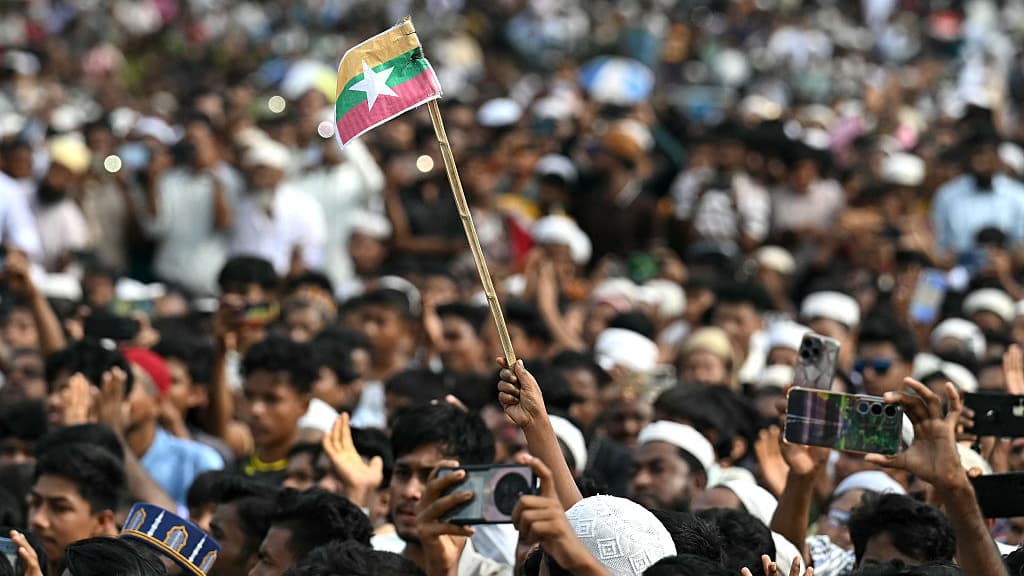
The International Court of Justice ruled Thursday that Myanmar committed genocide against its Rohingya Muslim minority, the first time a state has been found responsible for genocide in the court's history.
In brief
The International Court of Justice ruled Thursday that Myanmar committed genocide against its Rohingya Muslim minority, the first time a state has been found responsible for genocide in the court's history. The International Court of Justice found Myanmar committed genocide against the Rohingya in a historic first…
Court rules Myanmar committed genocide
The International Court of Justice ruled Thursday that Myanmar committed genocide against its Rohingya Muslim minority.
Scale of the violence in two thousand seventeen
In a weekslong military campaign in two thousand seventeen, Myanmar forces killed at least ten thousand people, including up to two thousand one hundred nine children under five, and forced more than seven hundred thousand…
More than a million remain displaced
More than a million Rohingya remain displaced.Nine years after the mass displacement, most live in refugee camps in Cox's Bazar in Bangladesh, with some telling the Associated Press they want to return home to Myanmar.
Myanmar's response: ruling is unfair
A spokesperson for Myanmar President Min Aung Hlaing told reporters Friday the ruling is unfair.
“unfair”
What the Rohingya say it means
For the Rohingya, the ruling is public acknowledgment in the world's top court that what happened to them was genocide.
“Myanmar denies the existence of the Rohingya, but now the court made it clear.”
Court ordered Myanmar to ensure safe return
The court ordered Myanmar's military-backed government to ensure the safe, voluntary return of the Rohingya to the country and prosecute those suspected of committing genocide.
Reparations if return is impossible
If Myanmar is unable to carry out restitution, the court ordered the government to pay reparations to the Rohingya, the amount of which will be determined at a later stage.
Enforcement challenge: China's veto power
If Myanmar does not comply, The Gambia, which brought the case, can turn to the United Nations Security Council.But China, which has veto power and is friendly to Myanmar, has discretion over whether to act.
International pressure and sanctions possible
Third party states can exert pressure on Myanmar through diplomatic pressure or sanctions on individuals or companies linked to the genocide.The U.K.ordered the expulsion of Myanmar's defense attaché and called for an urgent U.N.
Ruling could accelerate criminal accountability
The ruling could give fresh momentum to efforts seeking to hold individuals criminally accountable for the genocide, including an investigation in Argentina and a criminal complaint in Indonesia.
Obstacles to restitution remain
Many Rohingya homes and villages were completely destroyed. The Rohingya have faced decades of discrimination and persecution, making it very difficult to suddenly turn around a culture of hostility and discrimination.
Implications for Israel's genocide case
South Africa's genocide case against Israel is expected to take at least three more years.
The big picture
The International Court of Justice found Myanmar committed genocide against the Rohingya in a historic first ruling that could reshape how genocide cases are prosecuted globally.
Read the TL;DR — this story on one card.


