From TIME · Petala Ironcloud · · 3m
Native leaders split on data center boom
As AI infrastructure expands onto tribal lands, Native American candidates for office are taking starkly different stances on whether to support or resist the development.
In brief
As AI infrastructure expands onto tribal lands, Native American candidates for office are taking starkly different stances on whether to support or resist the development. Native leaders are divided on data centers, but they should unite to protect tribal consultation rights as Section 106 protections face rollback…
Native leaders face data center test
Deb Haaland, Sharice Davids, Mary Peltola, and Peggy Flanagan are among Native American candidates forced to take public positions on whether to support AI data center development in their regions.
Flanagan calls AI an existential threat
Minnesota Senate candidate Peggy Flanagan, whose Ojibwe name means Speaks in a Loud and Clear Voice Woman, has framed AI as an existential threat tied to job loss and runaway systems.
“AI an "existential threat to us if it gets out of control"”
Davids takes a pragmatic stance
Kansas House candidate Sharice Davids supports data centers only if they don't raise electricity costs, waste water, or burden communities. She met with tribal preservation officers but hasn't made strong public statements.
“no data center should move forward if it raises electricity costs for families, wastes our limited water resources, or shifts the burden onto Kansas communities”
Haaland shifts to support a moratorium
New Mexico governor candidate Deb Haaland initially said she couldn't stop Project Jupiter, then shifted to supporting a moratorium on new data centers until guardrails are in place. She received 87,200 dollars from Oracle and Clayco executives.
“I don't have the power to stop Project Jupiter”
Project Jupiter is already 26 percent built
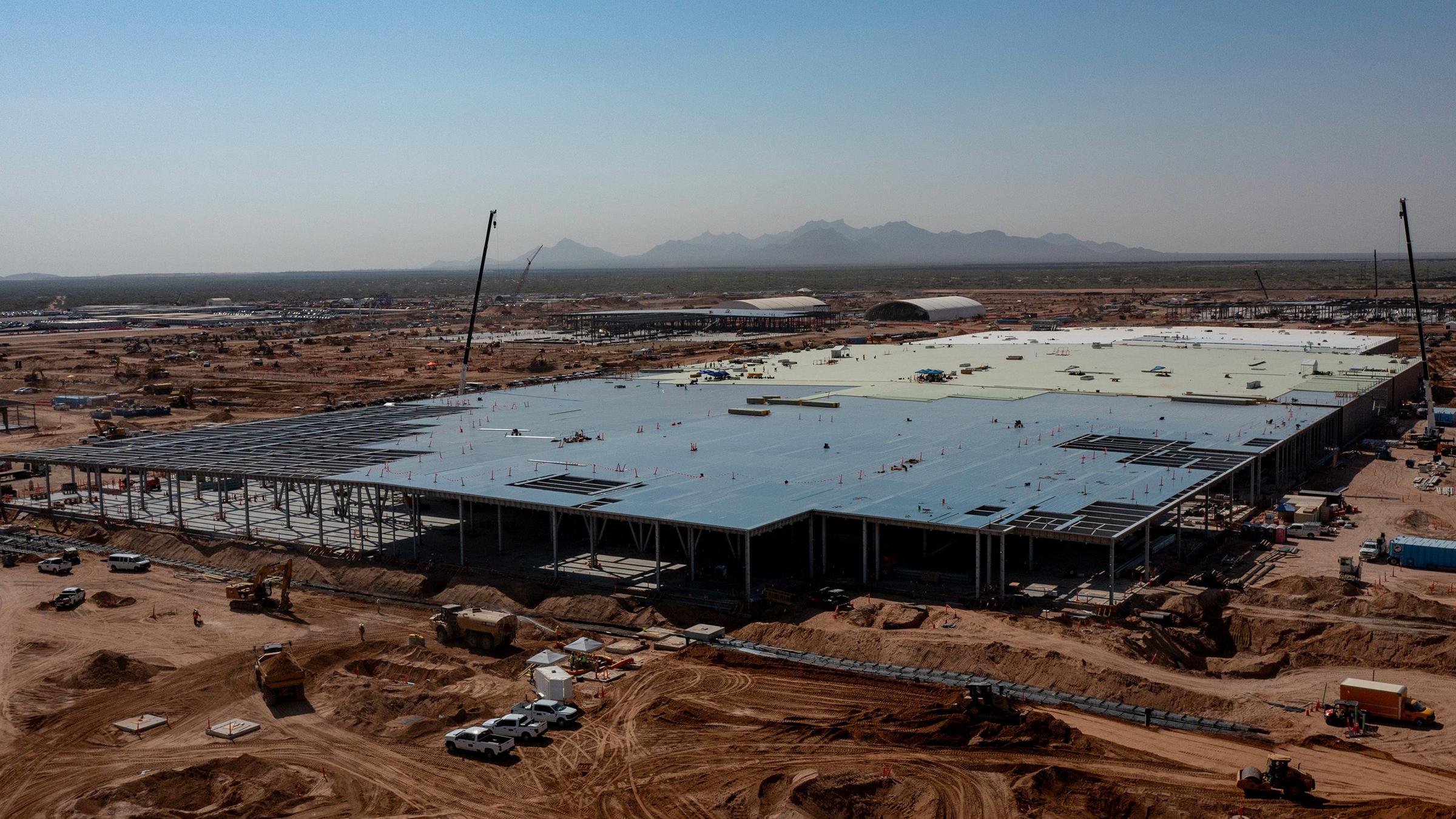
Oracle's Project Jupiter in New Mexico is already one-quarter complete despite two paused permits, according to Oracle's own vice president. The project has drawn protests and a climate justice petition.
Peltola defers to regional preference
Alaska Senate candidate Mary Peltola says she takes her cue from local people on data centers, provided they don't strain the power grid. Her opponent, Republican Dan Sullivan, actively pushes for data centers on military installations.
Alaska Native corporations control 44 million acres
Alaska Native corporations, created by a 1971 federal law, control roughly 44 million acres or 12 percent of Alaska's land. Their boards answer to fiduciary duty, not shareholder votes, allowing them to pursue contracts despite objections.
Section 106 protections face rollback
Proposed changes to Section 106 of the National Historic Preservation Act would weaken tribal consultation rights on federal land. Over 700 organizations, including Native Nations, oppose the change, which echoes Trump-era efforts to streamline development.
Data centers join a longer fight
Data center developers are the newest arrivals to a decades-long battle over Section 106. Oil and transmission companies have been pushing to weaken the rule since Trump's first term to speed up infrastructure projects.
Native unity on tribal rights matters most
While Native candidates differ on data centers, they should unite to protect tribal consultation rights as Section 106 faces rollback. Losing that voice would affect not just AI but all future development on Native lands.
“Native Nations must not lose their voice just as another powerful industry comes for their land”
The bottom line
Native leaders are divided on data centers, but they should unite to protect tribal consultation rights as Section 106 protections face rollback.