From TIME · Judy Berman · · 3m
Netflix's Lizzie Borden show wastes female rage
Monster retells a familiar story with nothing new to say about women's anger and repression.
In brief
Monster retells a familiar story with nothing new to say about women's anger and repression. Depicting women's suffering repeatedly doesn't create insight; it requires fresh perspective to move beyond stating the obvious. Originally reported by TIME.
Monster tackles female rage again
Netflix's Lizzie Borden season uses the 1892 axe murders as a vehicle for exploring women's repression and anger. The show's creators have centered these themes in all their publicity.
But the themes aren't original
Post-Big Little Lies and the #MeToo era, TV dramas aimed at women regularly amplify gendered frustrations. The well of misogyny won't run dry, but new insights are needed.
The show stretches history thin
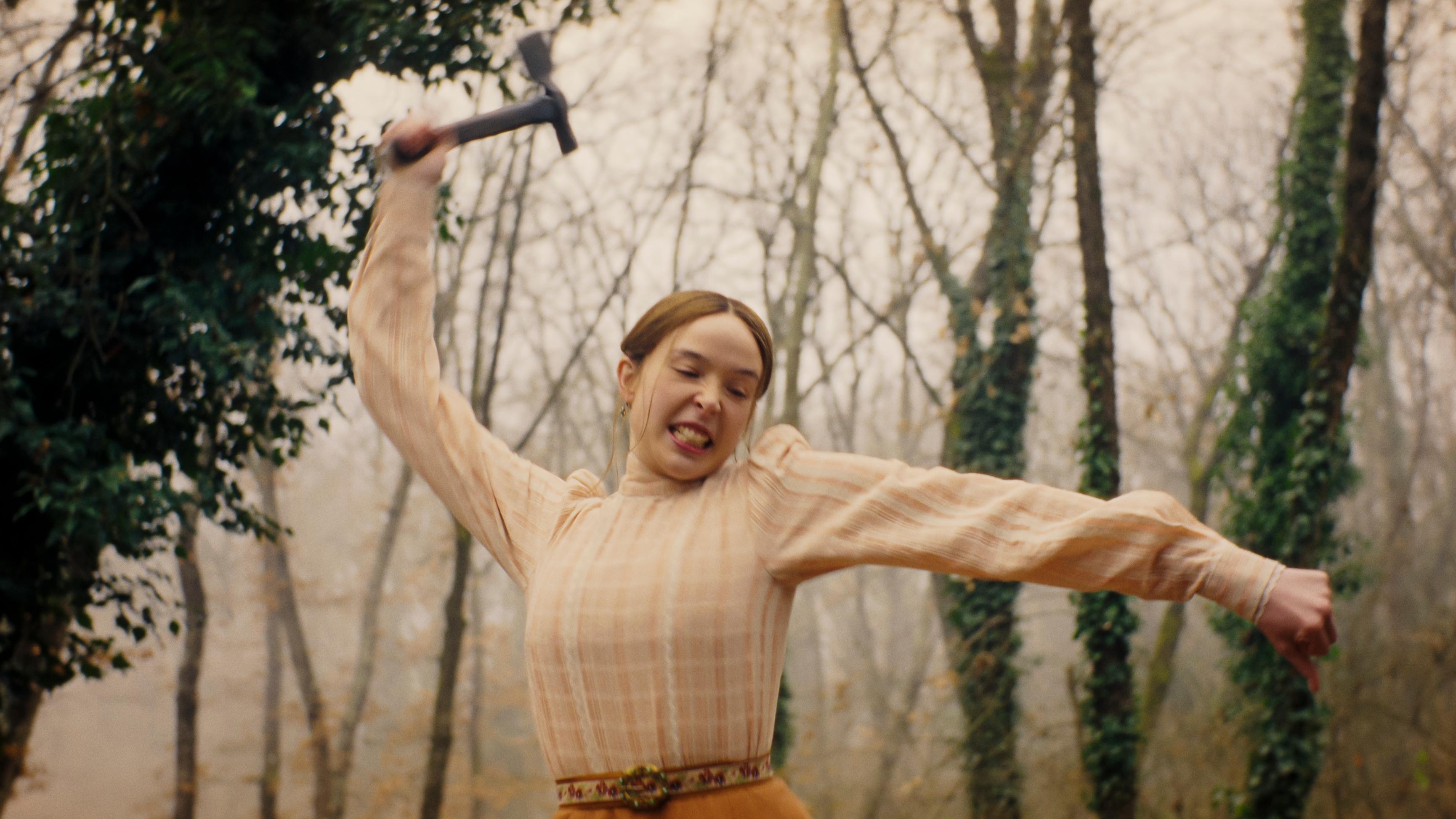
Monster is the least historically accurate season yet, padding the story with invented scenes like oyster poisoning and reimagining the maid Bridget Sullivan as a glamorous queer love interest.
Vicky Krieps steals the show
The maid Maggie, played by Vicky Krieps, is the season's best element. She's a glamorous, androgynous outsider who enchants the sheltered Lizzie and connects her to other female killers across history.
Three killers, one simplistic message
The show connects Lizzie Borden to Elizabeth Báthory, a 16th century Hungarian noblewoman, and Aileen Wuornos, a 1989 Florida serial killer. All three are framed as victims of sexism.
Báthory and Lizzie aren't comparable
Killing your cruel parents to free yourself is fundamentally different from massacring peasant girls for vanity. The show glosses over these differences by claiming sexism connects them.
“Never mind that killing your cruel parents to free yourself and massacring a village's worth of peasant girls because La Mer has yet to be invented are about as different as murder motives get.”
Wuornos arrives halfway through
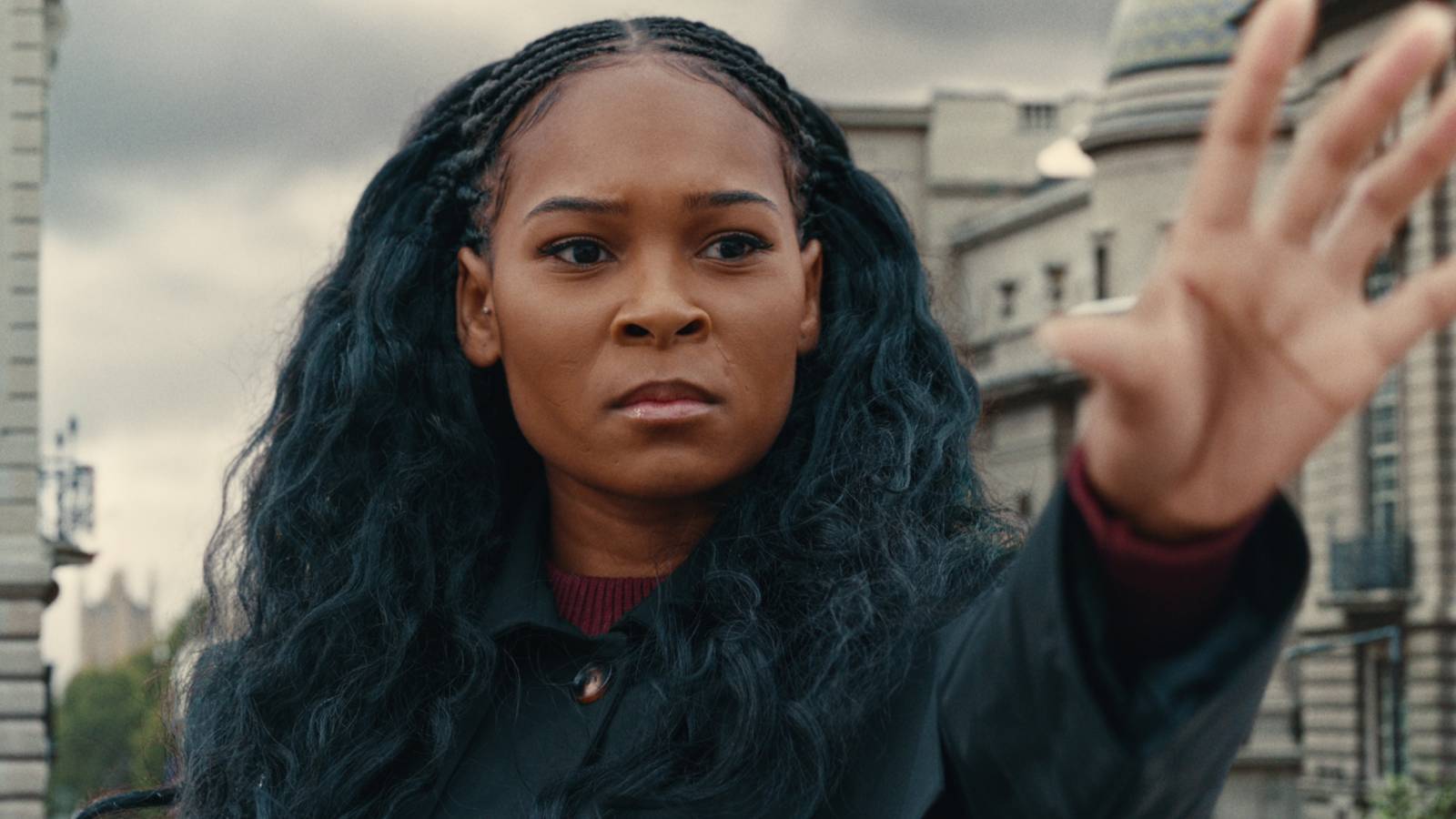
Sarah Paulson plays Aileen Wuornos, a Florida sex worker who killed seven men between 1989 and 1990. Her story allows the show to depict sexual violence, though it feels forced.
Queer themes lack clarity
The show connects Aileen's documented queerness with a speculative romance between Lizzie and Maggie. But it's unclear what the show is saying about lesbians and murder.
Three different fates, no clear lesson
Lizzie is acquitted and buys a mansion. Aileen is convicted and executed. Báthory is bricked up as a corpse. The show doesn't explain what these different outcomes mean.
The show states the obvious
Monster argues that women have always been repressed and that rage is the obvious result. But this is common knowledge, not a revelation that requires graphic depictions.
“If you didn't know that, it's probably also news to you that water is wet and the pope is Catholic.”
Repetitive depictions of suffering
The show's obsession with women's bodies as sites of horror mirrors House of the Dragon's traumatic childbirth scenes. Viewers are expected to be enlightened by seeing suffering repeated in gory detail.
These stories have been told better
Aileen Wuornos was portrayed by Charlize Theron in Patty Jenkins' Oscar-winning 2003 film Monster. Báthory appears in Ulrike Ottinger's new feature The Blood Countess, earning festival praise.
Furious does it better
Liz Meriwether's Furious also explores female rage and repression but treats it as a given rather than an endpoint. It has dark comedy and real stakes about systemic misogyny.
Male creative team, female subject
The show is heavily male-led, with Max Winkler directing six episodes and Sarah Adina Smith directing two. A character scolds that all books are written by men, which may be self-aware irony.
“All your books are written by men.”
The main idea
Depicting women's suffering repeatedly doesn't create insight; it requires fresh perspective to move beyond stating the obvious.