From TIME · Judy Berman · · 3m
Netflix's Stanford Prison remake fumbles its gender story
The New Stanford Prison Experiment includes only three women, all as guards, then fails to examine what their presence actually means.
In brief
The New Stanford Prison Experiment includes only three women, all as guards, then fails to examine what their presence actually means. Netflix's reboot of the Stanford Prison Experiment includes three female guards but offers no meaningful analysis of gender dynamics, undermining its claims to serious inquiry…
The original experiment's legacy
Stanford psychology professor Philip Zimbardo ended his 1971 study after six days instead of two weeks.
Netflix attempts a reboot
Netflix's The New Stanford Prison Experiment is a six-episode series that recreates the study as reality television.The BBC previously attempted this with The Experiment in two thousand two.
Safety measures and expert oversight

The thirty voluntary participants are housed in a real Georgia correctional facility pod.Executive producer Jane Lipsitz says each participant underwent psychological screenings before entering.A safe word allows anyone to leave early.
The expert panel
Michael Cantrell brings thirty years of federal corrections experience.Journalist Trymaine Lee has covered Hurricane Katrina and the Black electorate.
Only three women, all guards
Of thirty participants, only three are women. All three are assigned to guard positions. No female inmates are included, ostensibly because correctional facilities are segregated by sex and mixing genders in close quarters risks sexual…
The three female guards

Laura Berens is a CEO comfortable in leadership.Shavonnah Jefferson, a former security guard, asserts herself readily.
“You have to speak up. Because if you do not, people will run you over.”
Male guards dominate early episodes
Chris Lee, a new-school executive, wants to lead by inspiring inmates.Chet Hudson, an oil rig supervisor, compares his role to breaking horses.Their contrasting styles create unrest.
A role reversal plot twist
Lee, Hudson, and fellow male guards switch roles with the most rebellious prisoners.Hudson, who as guard championed strict hierarchy, begins saying things like: when people unite, they control the power.
“When people unite, no matter what, they're in control of the power.”
Women reassigned to all-female shift

The role reversal puts female guards on an all-female shift.They elect Laura Berens as head guard, citing her leadership experience.
“The female shift gave me an opportunity. Obviously, the guys on my shift weren't treating me super equal.”
Berens proves most competent leader
Berens strikes the right balance between firm rules and humane treatment.Her best moment comes when the shift of rebellious ex-prisoners loses control.She steps in to quiet inmates and advises her counterpart to protect his guards.
Inmates comply with female guards
When Berens' team takes over, inmates barely adjust their behavior.They may respect women in authority or fear appearing sexist on television.
Experts offer no real analysis
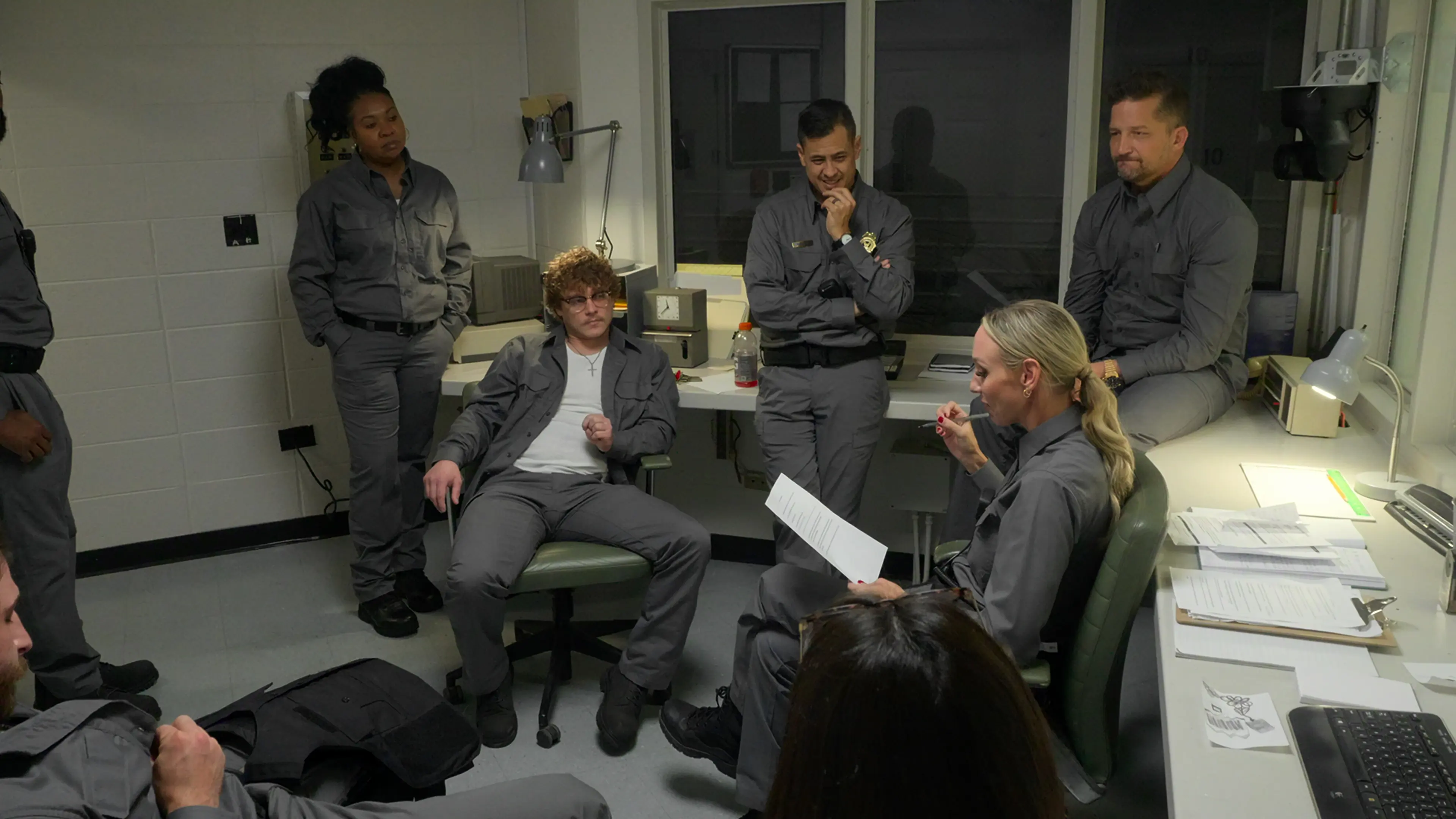
The expert commentators note that the all-female shift is fascinating but do not dig into specifics.They could have supplied context about how men and women typically wield authority or how men perceive women in power.
Berens reflects on her success
Berens marvels: I guess I really did have twenty-two men listening to me.She attributes her success to kindness, humor, and mutual respect.
“I guess I really did have 22 men listening to me.”
Gender analysis reveals patriarchal bias
The series replicates patriarchal bias by treating men as the norm and women as atypical.It neglects gendered aspects of male hierarchy, with charismatic, physically strong leaders and smaller, less socially adept outcasts.
Racial issues also glossed over
Racial disparities occasionally surface.One Black inmate justifies obedience to authority by explaining that for his community, fighting back might result in an accidental shooting.Yet the show leaves this largely unexamined.
The show's fundamental failure
By the finale, when guards are dismissed so prisoners take responsibility for their fates, the experiment feels like a bait-and-switch.
The headline
Netflix's reboot of the Stanford Prison Experiment includes three female guards but offers no meaningful analysis of gender dynamics, undermining its claims to serious inquiry.