From TIME · Michele Cohen Marill · · 3m
Nursing homes become housing of last resort
Homeless older adults with minor medical needs are ending up in expensive nursing homes because affordable housing and shelter systems fail them.
In brief
Homeless older adults with minor medical needs are ending up in expensive nursing homes because affordable housing and shelter systems fail them. One in eleven nursing home residents have low care needs and are there mainly because affordable housing and adequate shelter are unavailable, costing far more than…
When recovery means losing everything
Occupational therapist Caitlin Synovec saw people in their fifties and sixties lose jobs and homes while hospitalized for strokes and serious illness.
The nursing home trap
Many homeless older adults end up in nursing homes even though they don't need that level of care, with no better option available.
One in eleven don't belong there
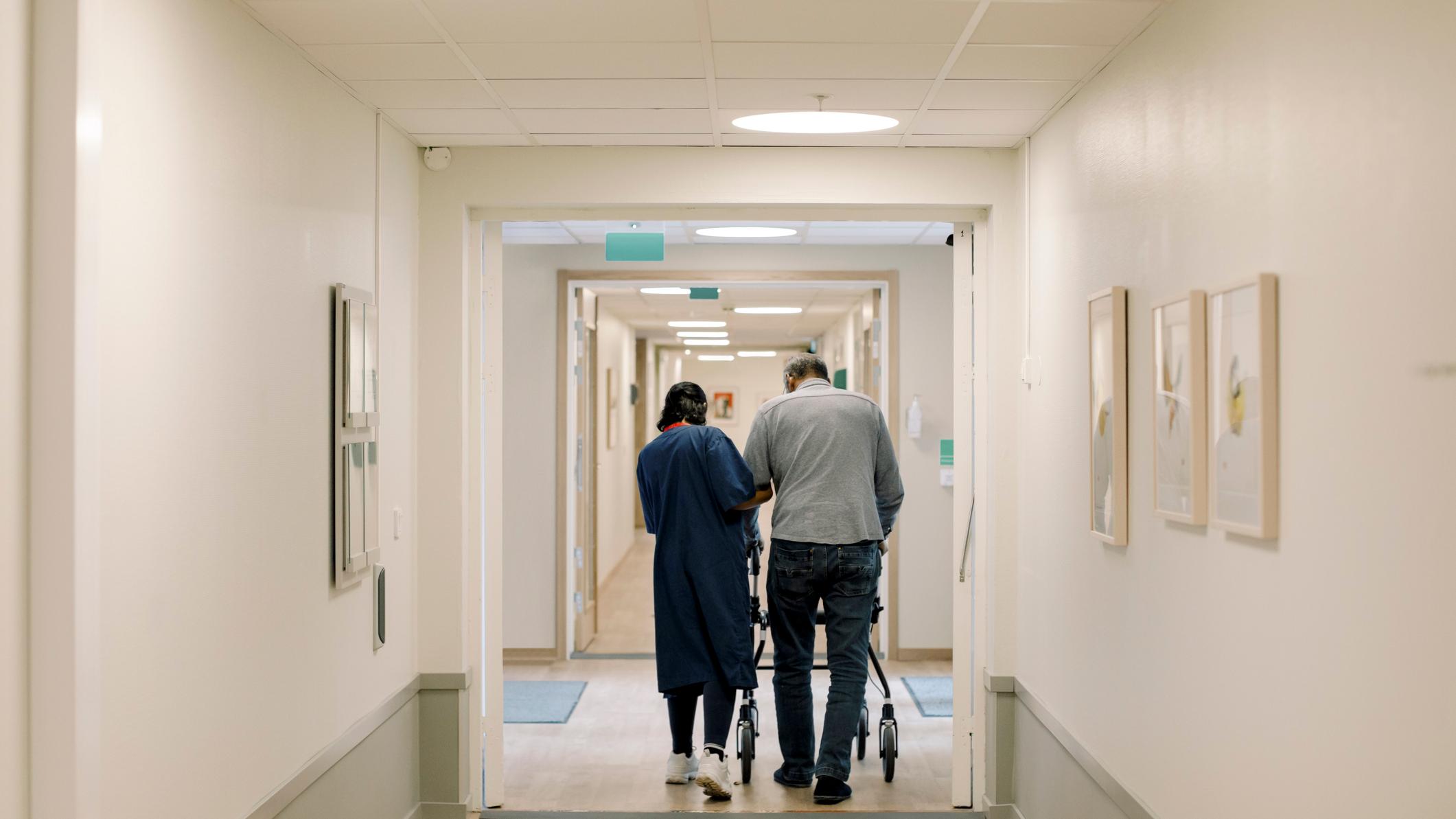
Research from the United Health Foundation found one in eleven nursing home residents have low care needs, ranging from two point five percent in Hawaii to nearly twenty-three percent in Oklahoma.
The cost gap is enormous
One year in a nursing home costs one hundred nineteen thousand three hundred forty dollars on average, versus sixteen thousand dollars per person per year for subsidized permanent supportive housing.
A stroke survivor's impossible choice
Synovec's client in her fifties could manage daily activities after a stroke but needed some help. A family member offered housing, but the second-floor apartment wasn't accessible.
Shelters can't serve older adults
The woman fell at a homeless shelter and ended up in the emergency room. Shelters lack accessibility for elderly people and require residents to leave each morning.
Permanent housing has a two-year wait
The better option, permanent supportive housing, has an average wait list of over two years. Trump administration policy shifts toward time-limited housing are expected to worsen wait lists.
No place in the community to go
Synovec says older adults facing homelessness face a stark choice: long-term nursing home care or dying on the street.
“The option is long-term care, nursing home care, or they die on the street.”
Baby Boomers are aging into crisis
In twenty twenty-five, one out of every five people in emergency shelters or on the streets was fifty-five or older. The oldest Baby Boomers turn eighty in twenty twenty-six.
Older adults want to stay home
Three out of four older adults want to age in their current home and community, according to AARP surveys. Early institutionalization separates people from family, friends, and neighborhood.
A vision for age-friendly housing
Dr. Jeffrey Farber, president and CEO of The New Jewish Home in New York City, proposes subsidized housing meeting older adults' mobility and care needs while preserving independence.
The system needs fundamental change
Farber envisions hospitals providing short-term care, homeless older adults accessing subsidized housing, and nursing homes rebranded as Compassionate Care Homes for complex medical needs.
“The system is fundamentally broken, and we're not going to fix it with band-aids.”
The takeaway
One in eleven nursing home residents have low care needs and are there mainly because affordable housing and adequate shelter are unavailable, costing far more than supportive housing would.