From TIME · Veronique Greenwood · · 1m 40s
Sleep loss makes you click on scam emails
A study of phishing emails sent during daylight saving time shows that losing an hour of sleep makes people 13% more likely to fall for suspicious links.
In brief
A study of phishing emails sent during daylight saving time shows that losing an hour of sleep makes people 13% more likely to fall for suspicious links. Sleep deprivation from daylight saving time increases vulnerability to phishing scams by making people more impulsive and less able to think critically. Originally…
The daylight saving time effect
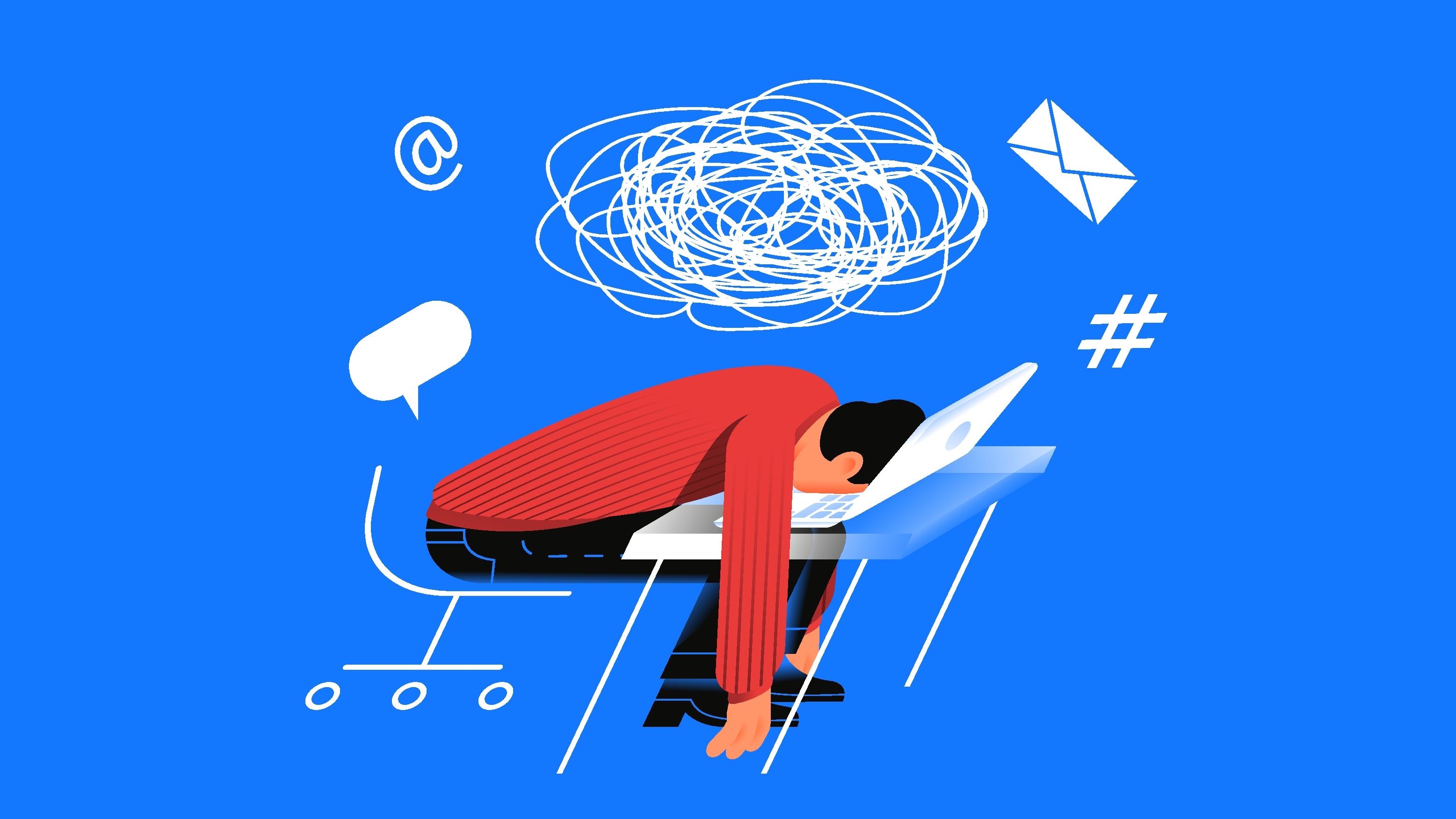
When clocks spring forward each March, people lose an hour of sleep. A new study published in Proceedings of the National Academy of Sciences tested how this affects cybersecurity.
Phishing emails and the Monday after
Researchers sent phishing emails to more than ten thousand people. The Monday after daylight saving time began, people were thirteen percent more likely to click on links in suspicious messages.
How the study worked
Eitan Schechtman, a professor of neurobiology and behavior at University of California, Irvine, arranged with the university's IT team to send spoof emails to half of recipients the Monday before the daylight saving transition and…
What sleep loss actually does
Sleep loss did not change how likely people were to open suspicious emails or report them as spam.
Impulsiveness over critical thinking
Schechtman says sleep loss rendered people more impulsive and less likely to carefully think about their decisions.They lacked their full mental capacity to critically examine whether an email might be trying to lead them astray.
“sleep loss rendered people more impulsive and less likely to carefully think about their decisions”
Fall back does not reverse the effect
When clocks fall back, people gain an hour but rarely use it to sleep more. Schechtman collected data from the November one transition but has not yet analyzed it. Other institutions may replicate the study.
The essence
Sleep deprivation from daylight saving time increases vulnerability to phishing scams by making people more impulsive and less able to think critically.