From TIME · Arianna Huffington · · 2m
The awe we lose to machines
As AI achieves stunning breakthroughs, psychologists warn we risk losing sight of the human experiences that truly transform us.
In brief
As AI achieves stunning breakthroughs, psychologists warn we risk losing sight of the human experiences that truly transform us. While AI inspires awe through technical feats, research shows humans find deeper transformation in witnessing each other's courage and kindness, not machines. Originally reported by TIME.
AI's latest breakthroughs
OpenAI solved one of the seven Millennium Prize Problems proposed by the Clay Mathematics Institute in two thousand. Google DeepMind's AlphaGenome Atlas predicted biological effects of all nine billion possible single-letter changes in the human genome.
What awe actually is
Dacher Keltner, professor of psychology at Berkeley, defines awe as the feeling of being in the presence of something vast that transcends your current understanding of the world. AI feats certainly qualify.
“the feeling of being in the presence of something vast that transcends your current understanding of the world”
What actually moves people
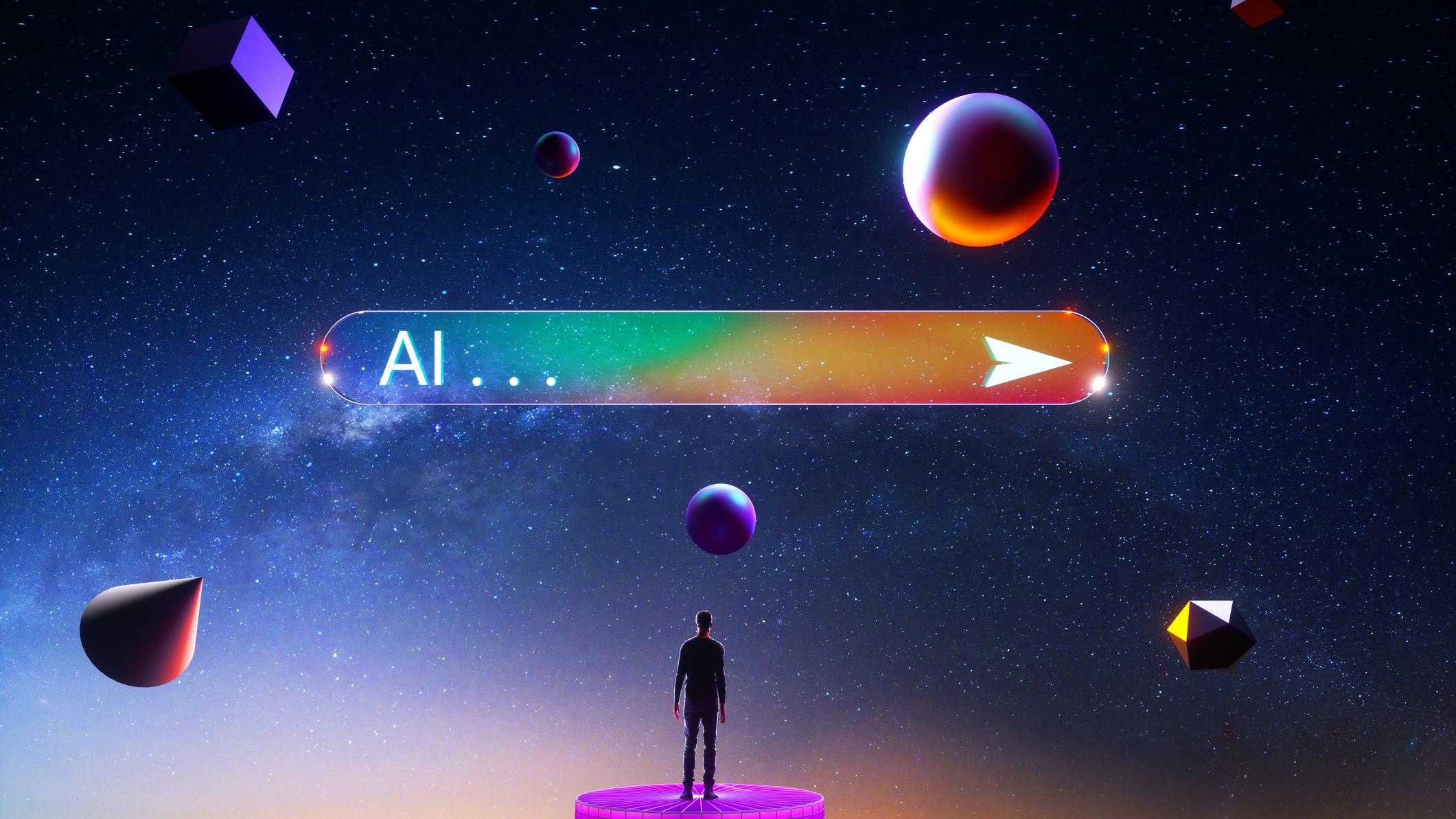
Keltner studied two thousand six hundred stories of awe across twenty six countries. The most common source was not nature or spirituality but other people's courage, kindness, strength, or overcoming. Ninety five percent came from witnessing actions taken on behalf of others.
“What most commonly led people around the world to feel awe? Nature? Spiritual practice? Listening to music? In fact, it was other people's courage, kindness, strength, or overcoming.”
Moral beauty and the brain
Keltner calls this moral beauty: witnessing the kindness, courage, strength, or selflessness of other people. Research shows awe quiets brain regions linked to excessive ego, self-criticism and anxiety, creating a sense of community and interdependence.
“we shift from the sense that we are solely in charge of our own fate and striving against others to feeling we are part of a community”
Technology's old problem
Harvard historian Perry Miller coined the term technological sublime. By the early nineteenth century, technological majesty had joined the starry heavens and moral law to form an American trinity of the Sublime. But awe from machines crowds out the human element.
The height that isolates
Historian David Nye noted that awe from skyscrapers divorced observers from connection with others. From that height, people below became mere insects whose humanity had disappeared. Our phones show us the entire world while disconnecting us from those nearby.
“divorced the observer from the sense of connection with others”
Finding awe in the everyday
Albert Einstein told Caltech students that concern for humanity must form the chief interest of all technical endeavors. Keltner notes that experiencing awe does not require money or fossil fuels. Finding awe is easy if we take a moment and wonder.
“Concern for man himself and his fate must always form the chief interest of all technical endeavors”
At a glance
While AI inspires awe through technical feats, research shows humans find deeper transformation in witnessing each other's courage and kindness, not machines.





