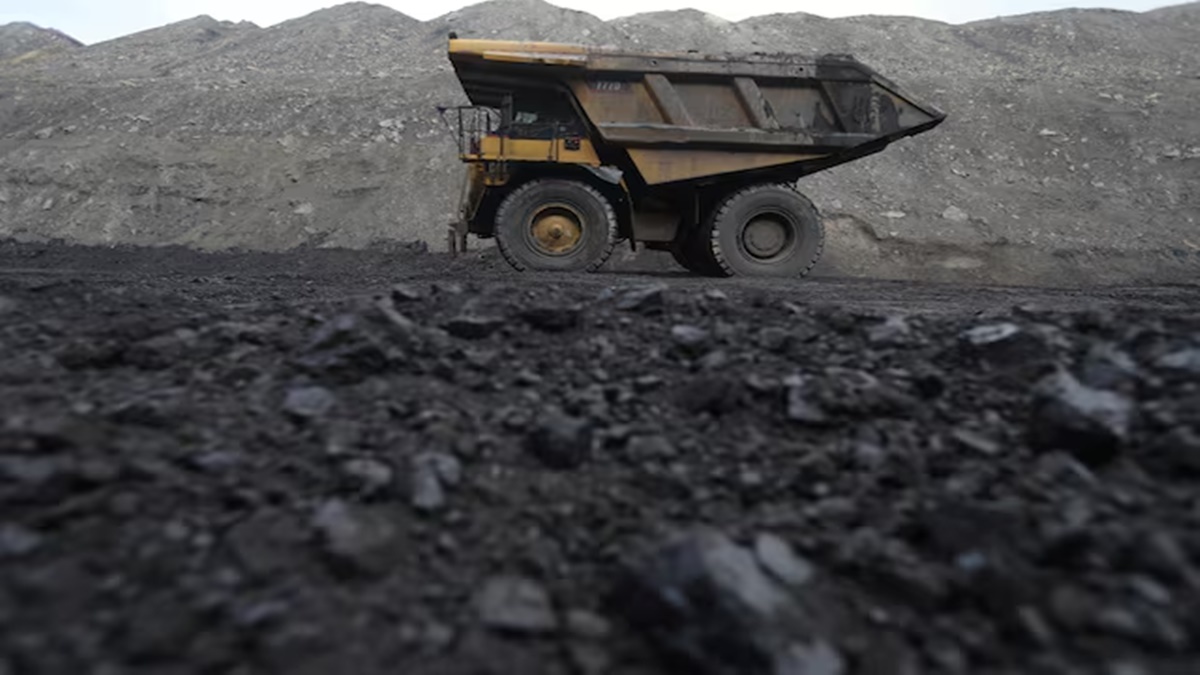
From TIME · Simmone Shah · · 2m
The EPA Just Repealed Power Plant Carbon Limits
Washington says power plant emissions do not matter for climate or health. The science, and the EPA's own math, say otherwise.
In brief
Washington says power plant emissions do not matter for climate or health. The science, and the EPA's own math, say otherwise. The pollution rules are gone, but the pollution and its health toll are not. Scientists say the harm will show up in hospitals, not in press releases. Originally reported by TIME.
A repeal built on a claim
On Monday the Trump Administration scrapped carbon rules for coal and gas plants. The EPA's reasoning: power plant emissions have "no material impact" on global climate change.
“emissions from power plants have no material impact on global climate change”
Announced at an energy summit
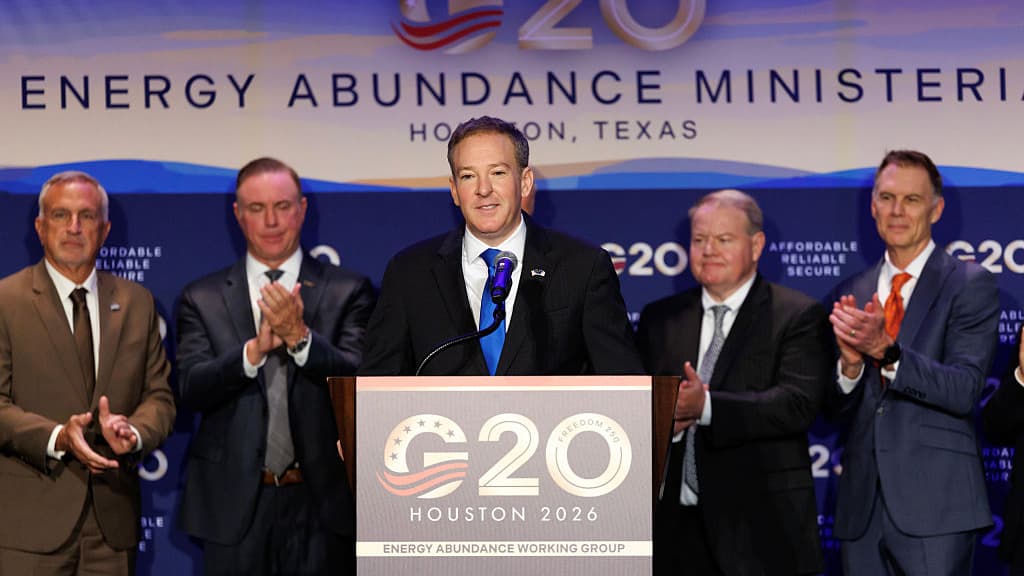
EPA Administrator Lee Zeldin made the announcement at the G20 Energy Abundance Ministerial in Houston on Sept. 14. A 15 day hearing window and 45 day comment period follow.
A country-sized emitter
U.S. power plants released 1,427 million metric tons of CO2 in 2024, the country's second largest source. As its own nation, the sector would rank sixth in the world.
What the rules required
The 2024 Biden standards gave coal plants until 2039 to capture most of their carbon or shut down, and would have pushed new gas plants toward cleaner fuels like hydrogen.
The benefits now forfeited
The rule was projected to prevent 1,200 premature deaths, 360,000 asthma cases, 48,000 school absences and 57,000 lost work days in 2035 alone, plus $370 billion in net benefits.
One rollback among many
February brought the repeal of the 2009 endangerment finding, a ruling that the Clean Air Act cannot cover tailpipe emissions, and loosened limits on refrigerant chemicals.
Keeping coal plants alive
The Energy Department ordered retiring coal plants to stay open, weakened mercury limits, told the Pentagon to buy coal power, and put $175 million into upgrading six coal projects.
The science is not uncertain
Duke's Jim Zhang says these pollutants drive heart and lung disease and more deaths. The Administration's own 2025 analysis predicted thousands of premature deaths from the repeal.
“If you take away the regulation, then that pollution is going to happen, and these health effects are going to happen.”
Who pays the bill
Lower income communities near plants face the worst exposure, and coal soot carries more than double the death risk of other fine particulates. Climate damage spreads far past the fence line.
“the atmosphere and the climate don't recognize those misstatements, and we will be stuck with a nastier, more virulent form of climate change”
Here's the gist
The pollution rules are gone, but the pollution and its health toll are not. Scientists say the harm will show up in hospitals, not in press releases.