From TIME · H.A. Hellyer · · 3m
The Gulf's security bet just broke
A war nobody in the Gulf wanted exposed how little the American umbrella was worth, and what the monarchies are building instead.
In brief
A war nobody in the Gulf wanted exposed how little the American umbrella was worth, and what the monarchies are building instead. The Gulf states have stopped trusting any single protector. They are stacking overlapping partnerships, but stacked insurance policies are not the same thing as collective defense…
Who showed up, who didn't
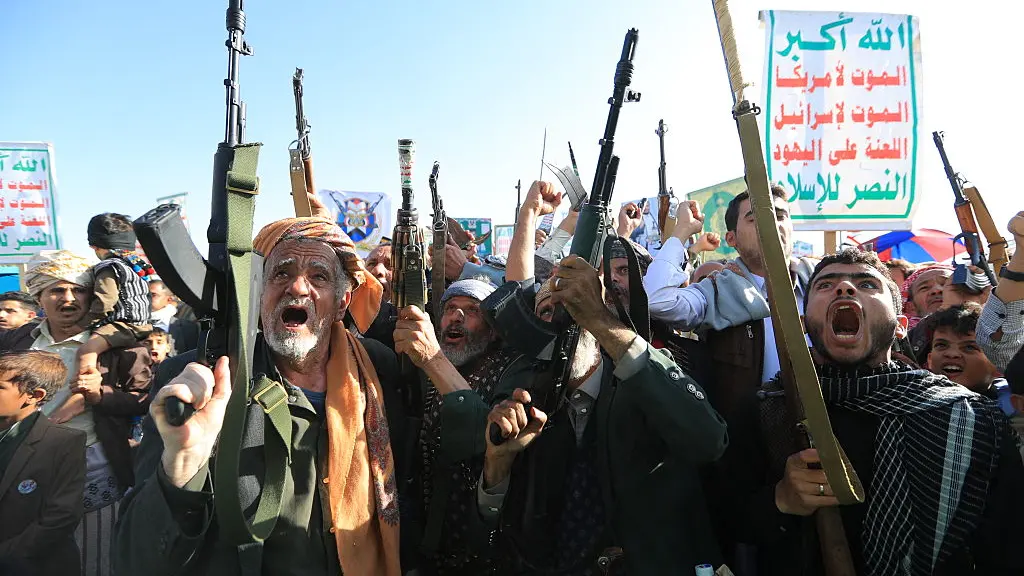
Saudi Arabia, Qatar and Oman sent delegations to Khamenei's funeral on July 9. The UAE, Kuwait and Bahrain stayed away. Analysts read more into the absence than into any statement.
The stability bet collapsed
Gulf states were diversifying past oil on the assumption they could stay islands of calm. Trump went to war with Iran over their objections, and war-risk insurance costs soared.
Everyone got hit
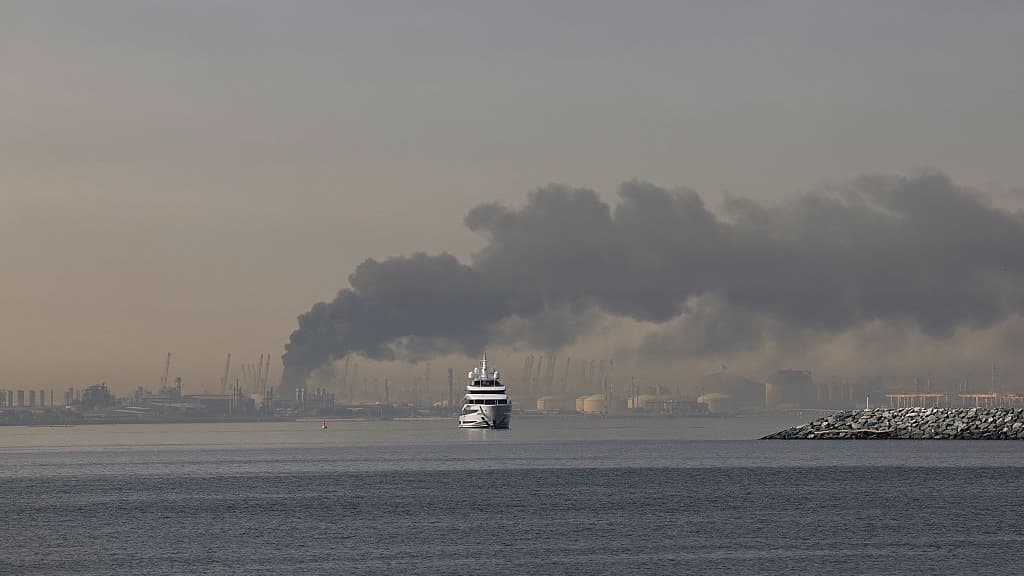
Iran struck Saudi facilities at Abqaiq and Qatar's Ras Laffan gas complex. The UAE intercepted barrages for weeks. Bahrain and Kuwait were not spared.
And most of them hit back
Saudi Arabia and the UAE struck Iran, and by some accounts Qatar did too, though Doha denies it. Gulf officials privately confirm most states retaliated.
The framework failed
The Gulf Cooperation Council, founded in 1981, has invoked its collective-defense clause exactly once. Through the whole war, it was never formally triggered.
Three things they now agree on
Iran is a long-term threat. The U.S. umbrella is no longer dependable. Regional stability is existential. Agreement on the diagnosis only sharpened the fight over the cure.
Two problems, not one
An Iran still chasing its regional axis, and an Israel pursuing what the piece calls regional paramountcy: the presumption that it alone sets the terms of force.
“an Israel bent on "regional paramountcy," the presumption that it alone sets the terms of force while the region adjusts”
Taken to war, then left
Washington's objectives shifted by the week, and it moved to exit even as Iran closed the Strait of Hormuz. Gulf capitals felt they were never warned, consulted, or protected.
Defenses actually worked
Gulf states intercepted the overwhelming majority of what Iran fired. Officials say quiet coordination was real, if discreet, and Carnegie urged them to share air-defense stockpiles.
“Restraint backed by functioning defenses is not the same as restraint born of vulnerability.”
Back to de-escalation
Qatar and Oman pushed Washington toward a memorandum with Tehran, Saudi Arabia backed the Pakistan-brokered track, and the hawks came around within weeks.
A bill they never agreed to
The deal floated a $300 billion reconstruction fund for Iran, financed by "regional partners" who were never consulted. A sharp measure of how little influence the Gulf had.
The map redrew itself
The 2017 blockade of Qatar is gone. Riyadh now sits closer to Doha and Muscat than to Abu Dhabi, and refused to let its territory be used against Iran.
Riyadh versus Abu Dhabi
The UAE strikes Iran, trades with it, and walked out of OPEC without telling Riyadh. Saudi Arabia finds that unilateral reflex exasperating, and the gap shows how far cohesion still is.
Chokepoints, not proxies
Iran learned a new kind of leverage from Hormuz, where a fifth of the world's oil moves. It survived regime change with the economy down 6.1% and inflation near 69%.
The ceasefire that never bound Israel
Israel was not a signatory, kept striking Hezbollah through the talks, and treated the promise to end hostilities as somebody else's. Washington backed its argument.
Stacking policies or building a system
An American partnership, Turkish and Pakistani ties, bilateral Gulf deals, channels to Tehran and Tel Aviv. The GCC has the skeleton. What it lacks is trust.
“Yet coordination is not collective security.”
The big picture
The Gulf states have stopped trusting any single protector. They are stacking overlapping partnerships, but stacked insurance policies are not the same thing as collective defense.