From TIME · JP Mangalindan · · 3m
The Mosquito Bowl: War and Football
A 1944 football game on Guadalcanal became a fleeting moment of joy for Marines before Okinawa's brutal battle claimed three lives.
In brief
A 1944 football game on Guadalcanal became a fleeting moment of joy for Marines before Okinawa's brutal battle claimed three lives. Four Marines played a game on Christmas Eve 1944 on Guadalcanal, but three died on Okinawa in 1945. Originally reported by TIME.
The Mosquito Bowl Game
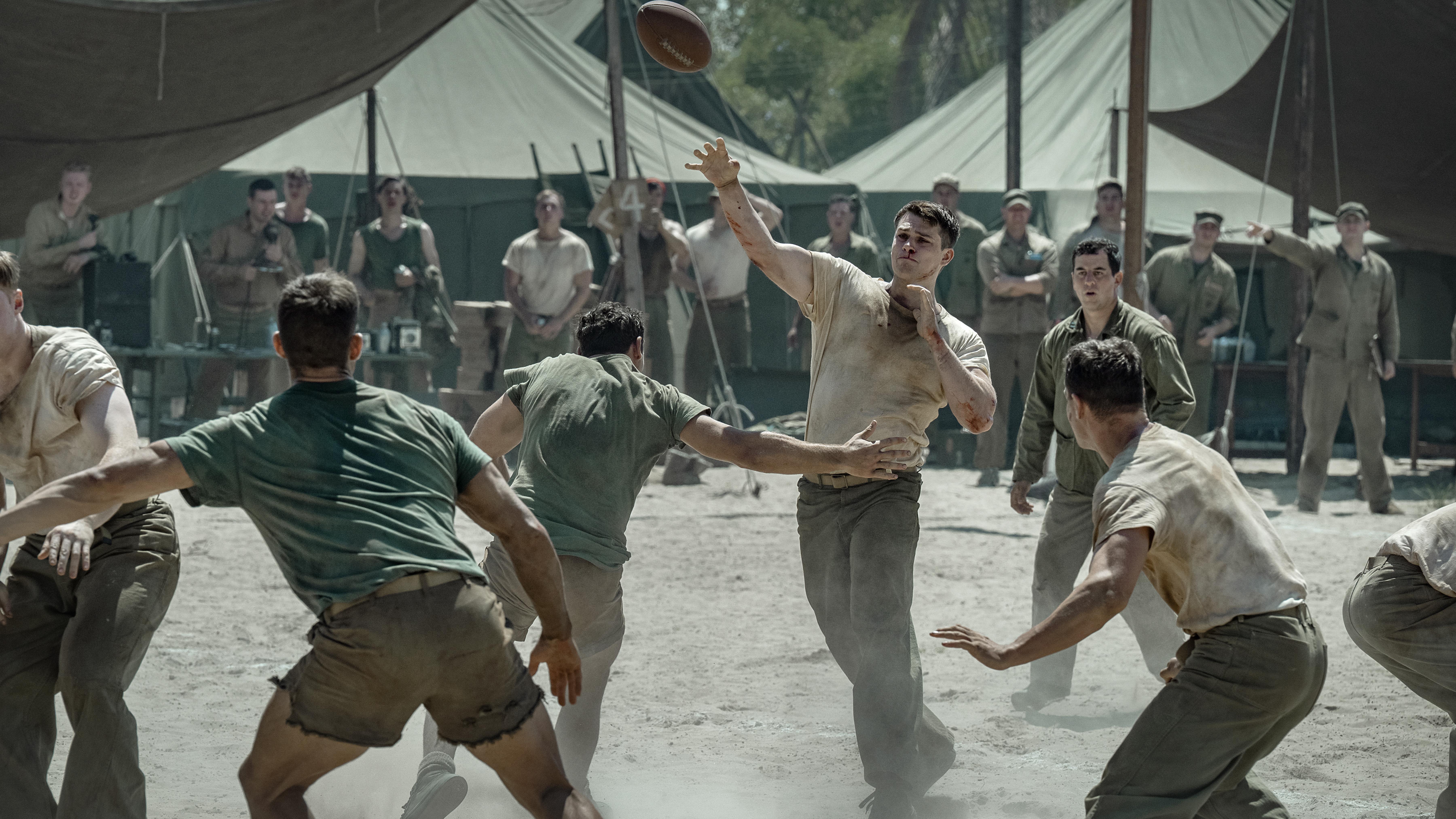
In the wet heat of a Guadalcanal afternoon on Christmas Eve 1944, two regiments of the 6th Marine Division met on a football field of packed earth and broken coral.
The Game's Purpose
The game was a serious to-do with printed programs, numbered T-shirts, goalposts built by the Marines, and an announcer whose call went out over the Mosquito Network.
The Outcome
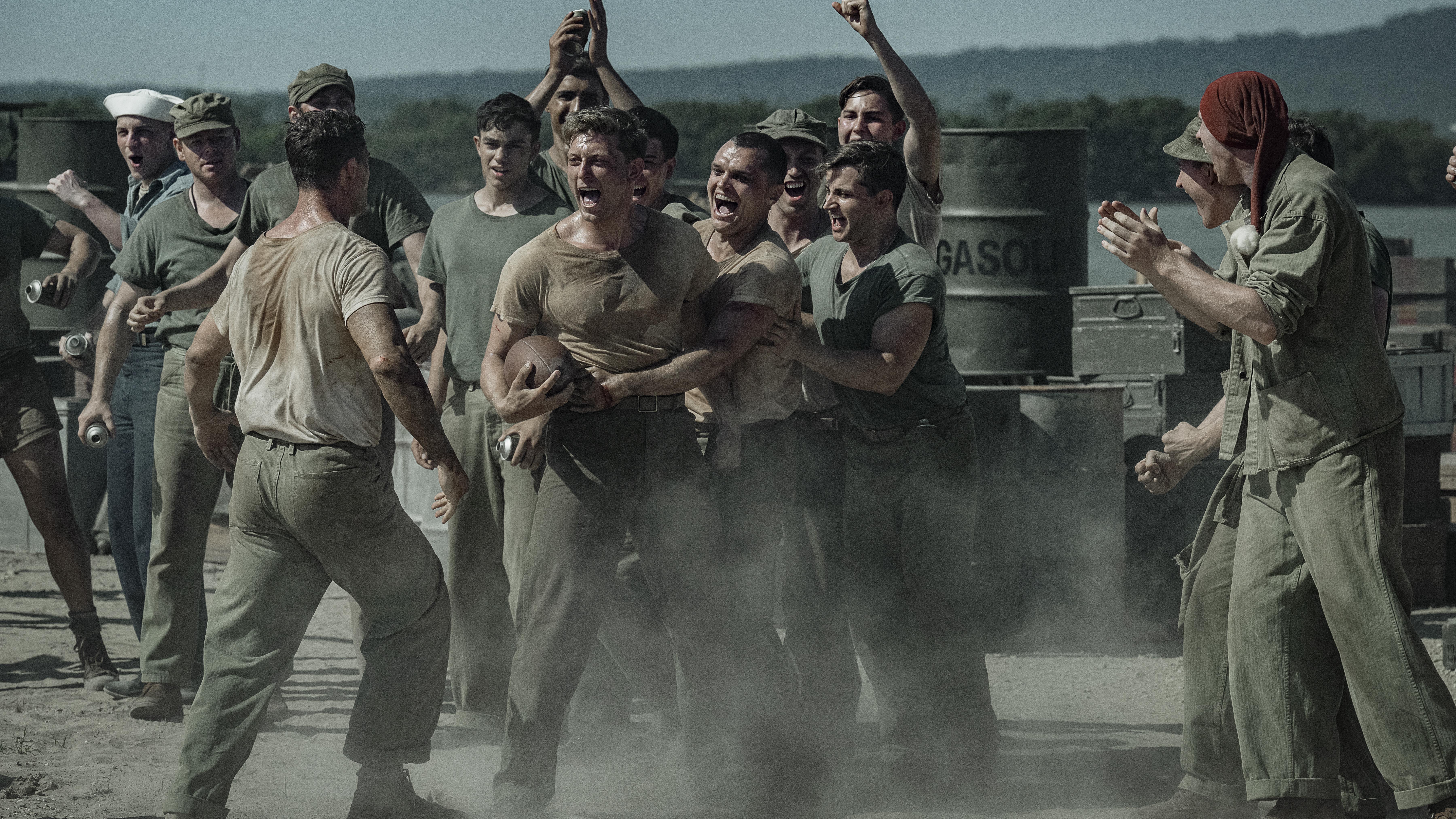
Neither team scored, and at least 1,500 Marines lined the field, some with money on the outcome.
The Aftermath
Three months later, the division sailed for Okinawa, where 15 of the 65 men who played that day were killed.
The Film
Peter Berg’s The Mosquito Bowl adapts Buzz Bissinger’s Pulitzer Prize-winning book and follows four players from the game through World War II.
The Players
John McLaughry, Dave Schreiner, Bob Bauman, and Tony Butkovich were the four Marines who played in the game and served together in the Pacific War.
Schreiner's Background
Schreiner, from Lancaster, Wisconsin, was an All-American college player who was drafted by the Detroit Lions but chose to enlist in the Marines.
Bauman's Background
Bauman, from Harvey, Illinois, was a tackle who grew up holding his family together and enlisted after Schreiner.
Butkovich's Background
Butkovich, the son of Croatian immigrants, played at Illinois and was drafted by the Cleveland Rams but enlisted in the Marines.
McLaughry's Background
McLaughry, the oldest, was already out of college and played for the New York Giants before enlisting in the Marines.
The Game's Origin
The game stemmed from an argument between the two regiments over who had the better team, with both teams featuring former college players.
The Game's Significance
The game was about joy and doing something they loved, providing a respite from the war’s brutality.
Okinawa's Battle
On April 1, 1945, Americans landed on Okinawa, where the Japanese defenders had dug into ridges and limestone caves.
The Toll of War
By late June, more than 12,000 Americans were dead or missing and nearly three times as many wounded on Okinawa.
The Death of Schreiner
Schreiner was mortally wounded on patrol on June 21, 1945, as the battle drew to a close.
The Death of Bauman
Bauman was killed on June 6, 1945, during the division’s push through the north of Okinawa.
The Death of Butkovich
Butkovich was killed on April 18, 1945, during the division’s push through the north of Okinawa.
McLaughry's Survival
McLaughry survived the war, raised three children, led football programs at three colleges, and kept painting.
At a glance
Four Marines played a game on Christmas Eve 1944 on Guadalcanal, but three died on Okinawa in 1945.