From TIME · Eric Cortellessa · · 5m
Trump's White House, Trump's War
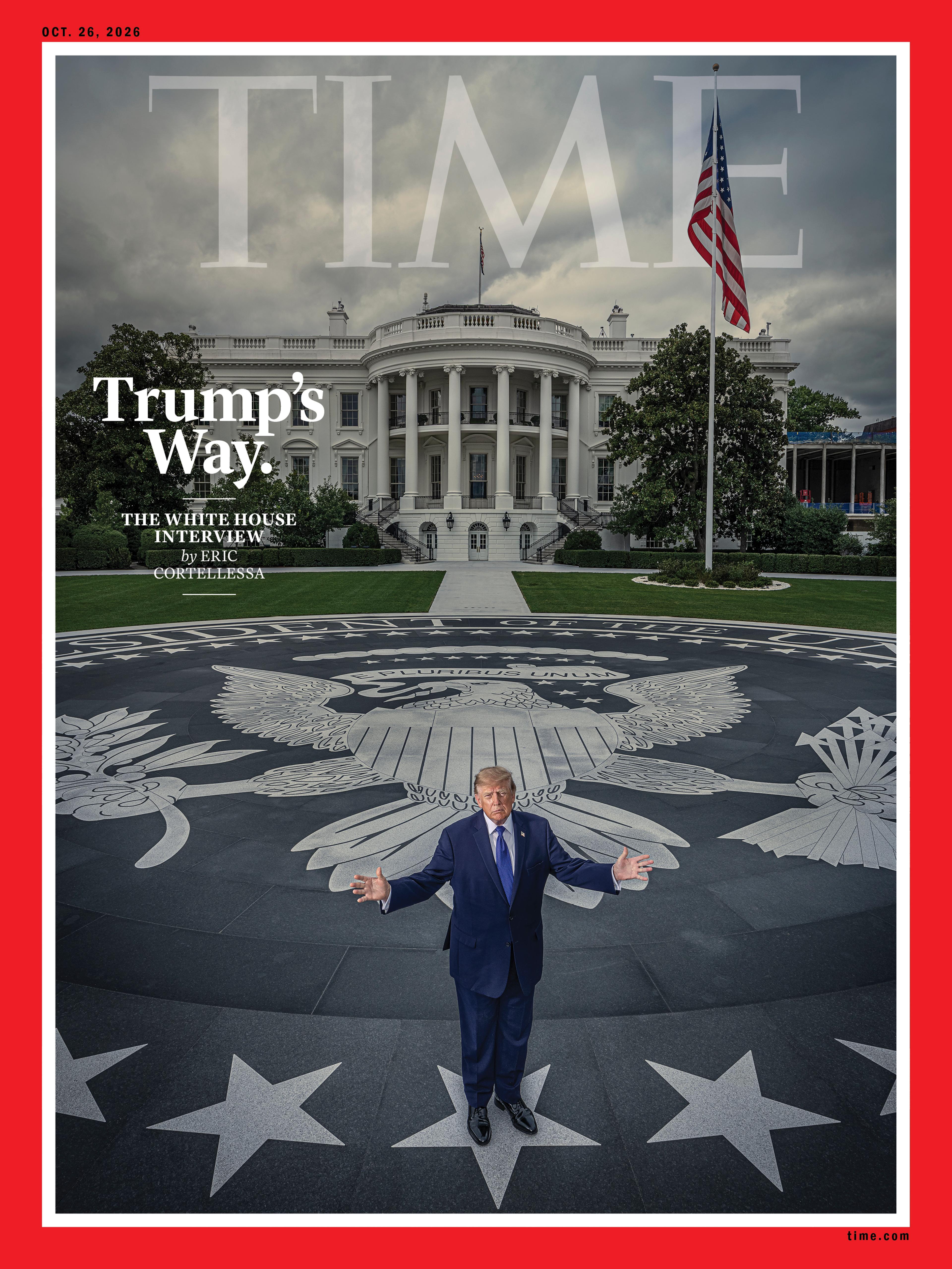
Seven months into a conflict meant to last weeks, Trump obsesses over marble and gold while his presidency unravels.
In brief
Seven months into a conflict meant to last weeks, Trump obsesses over marble and gold while his presidency unravels. Trump's second term is fracturing under the weight of an endless Iran war, economic pain, and political losses, even as he retreats into White House renovation projects. Originally reported by TIME.
Trump shows off his helipad
The President walks across an eighty thousand square foot granite expanse on the South Lawn, pointing out gray stone imported from Italy fitted with measurements precise to an eighth of an inch.
A ballroom rises amid lawsuits
Trump demolished the historic East Wing and began building a replacement without congressional authorization or required federal reviews. Lawsuits have followed. He kept building anyway.
Trump describes his concrete plans
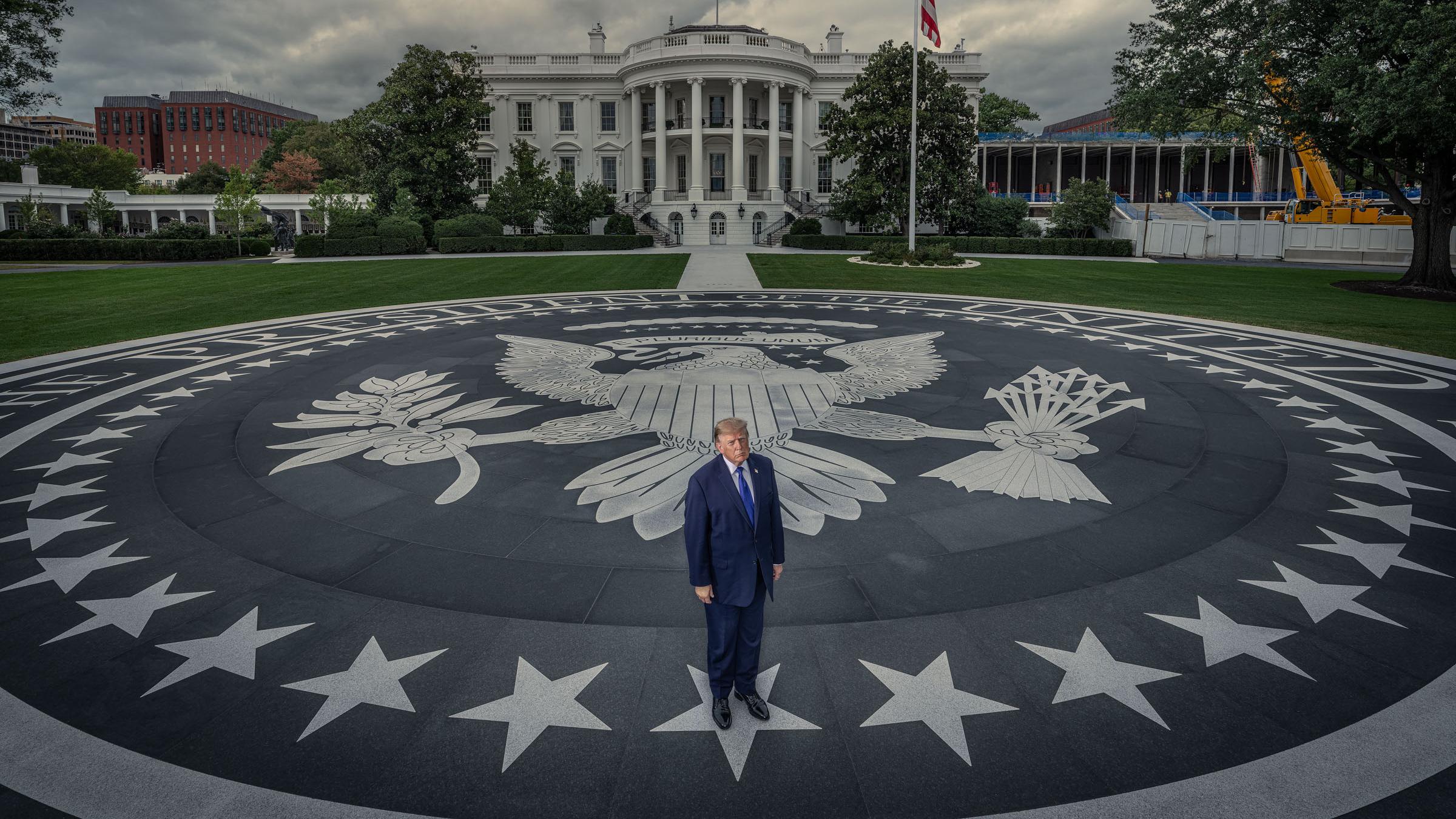
The new ballroom will have nuclear concrete walls six or eight inches thick, a military complex plunging six stories underground, and five separate floors with one side made entirely of glass.
Building is what he does best
Trump says he finds construction relaxing and muses aloud: am I a better builder or a politician? He has ripped out the Rose Garden lawn and replaced it with a Mar-a-Lago-style patio.
“It's what I do best.”
Control slips away outside the gates
The Iran war, launched without congressional authorization and described as a four-to-six-week undertaking, is seven months old with no end in sight. Oil and gasoline prices have soared. The global economy has convulsed.
His coalition is fraying
A Reuters slash Ipsos poll in September put Trump's approval at thirty-two percent, the lowest of his political career. A Wall Street Journal survey recorded the lowest ratings of any President heading into midterm elections since nineteen ninety.
Republicans distance themselves
Republican candidates have distanced themselves from Trump's military actions and deportation campaign. Voters have recoiled at his laissez-faire approach to artificial intelligence and his accumulation of wealth through crypto deals and stock trades.
Advisers see power slipping
Senior advisers increasingly recognize Trump has passed the apogee of his second-term power. Officials across the Republican Party are preparing for the likelihood of losing the House and perhaps the Senate in the midterms.
Trump regrets his Supreme Court picks
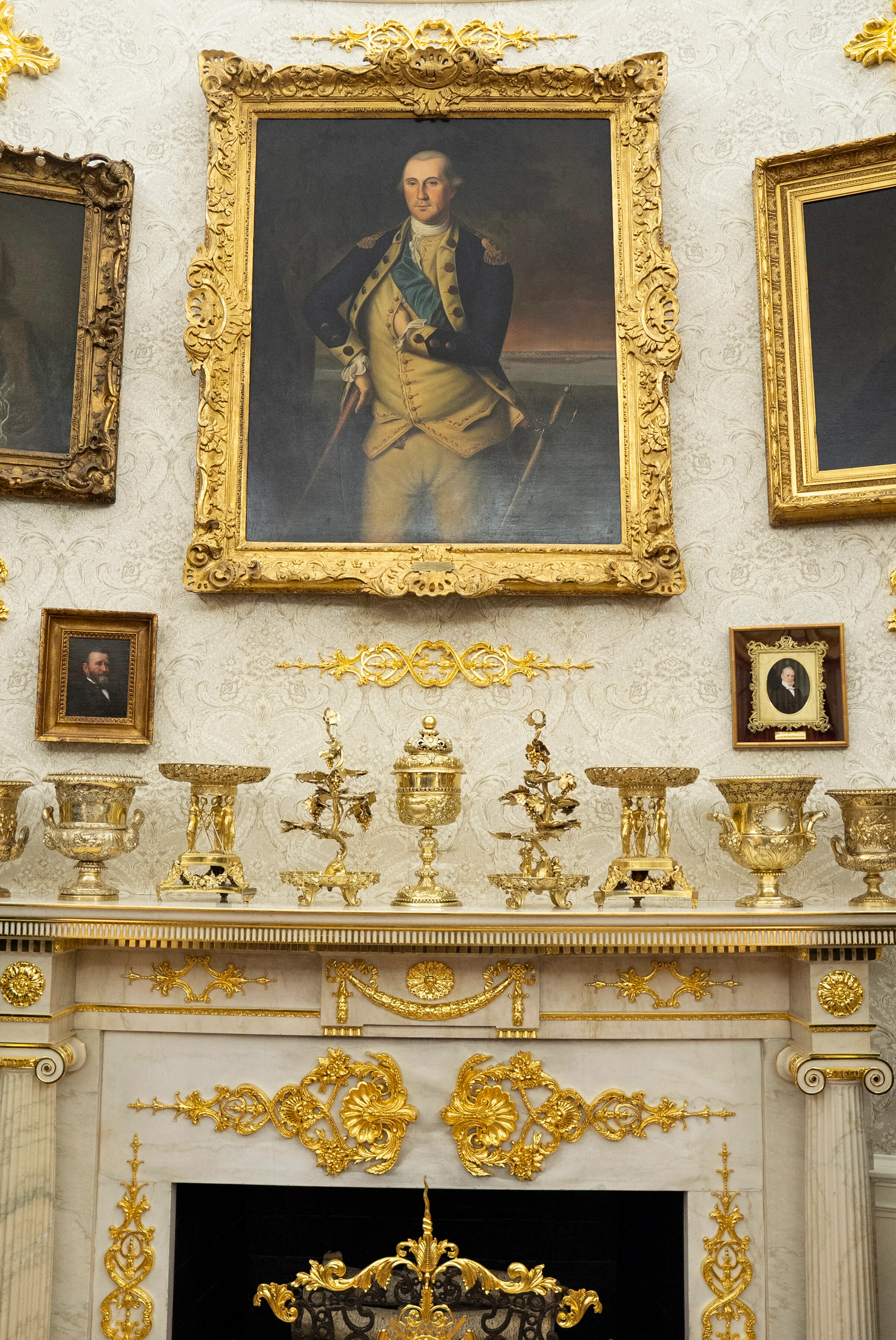
Trump said he regretted appointing Neil Gorsuch, Brett Kavanaugh, and Amy Coney Barrett after they ruled against him on tariffs, mail ballots, and birthright citizenship. He said he gave them the position of a lifetime.
“I gave them the position of a lifetime, and they voted against me often.”
The munitions crisis emerges
In late April, Trump learned from a New York Times report that the U.S. military was running low on certain munitions after firing more than one thousand two hundred Patriot missile interceptors. The Pentagon was drawing on assets from Asia and Europe.
The war's human and economic toll
By late September, nineteen U.S. service members had been killed and more than eight hundred wounded. Gasoline prices had risen more than forty percent since the opening attacks on February twenty-eighth. The conflict had cost more than twenty-five billion dollars.
Trump considers ramping up bombing
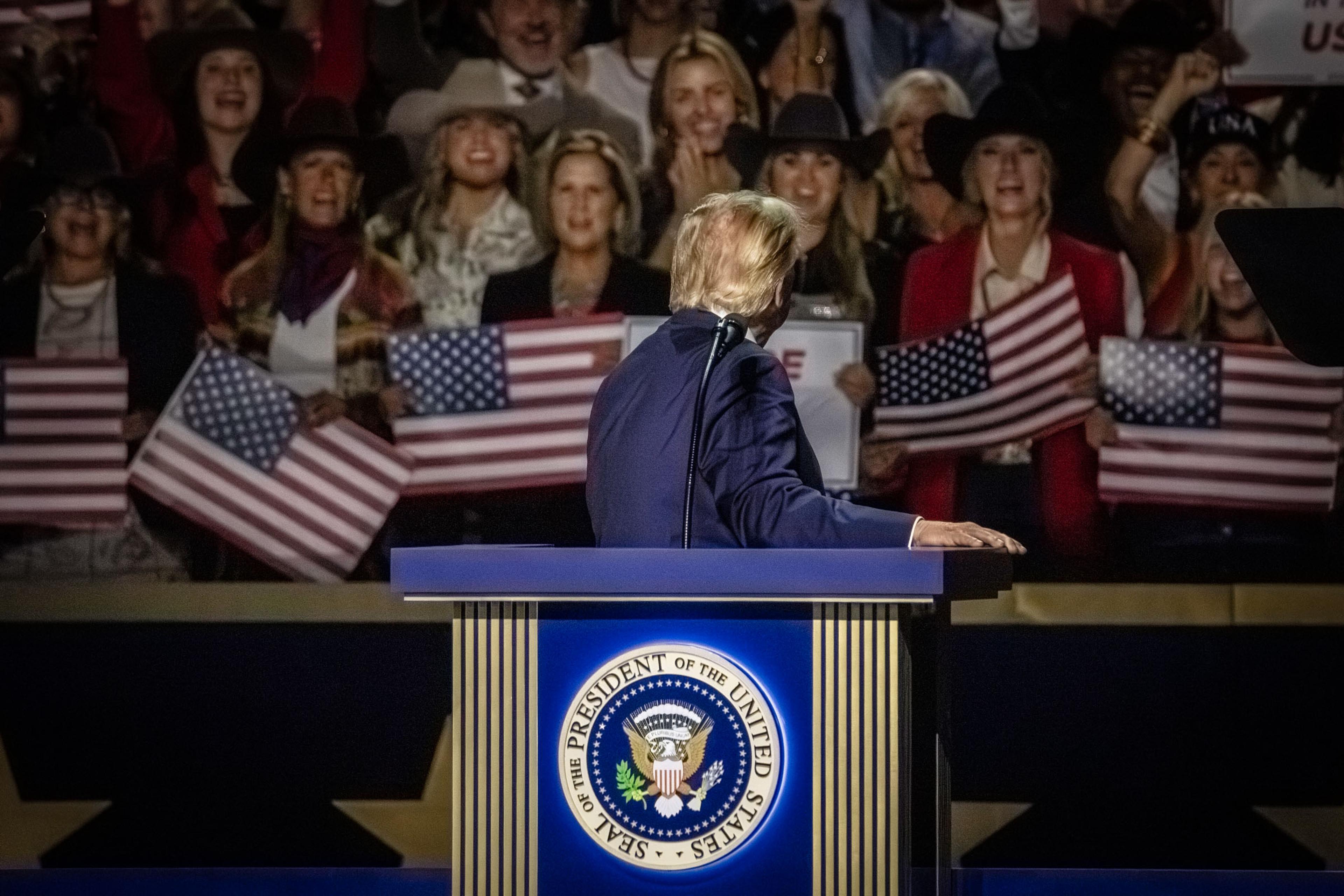
Instead of concluding the war, Trump tells TIME he may ramp up the bombing after the midterms if they cannot reach a satisfactory deal. He says by annihilating Iran, we have created peace in the world.
“Because by annihilating Iran, we've created peace in the world.”
Netanyahu complicates the endgame
Trump's relationship with Israeli Prime Minister Benjamin Netanyahu has grown more acrimonious. Netanyahu urged Trump toward war with Tehran but has since complicated Trump's efforts to end it, including by striking Hezbollah targets in Lebanon after Trump told him not to.
The economy is not delivering
By late September, only twenty-five percent of Americans believed Trump's policies had improved the economy, according to a Wall Street Journal poll, while sixty percent said they had worsened it. Mortgage rates have climbed to seven point five percent.
Trump embraces AI without safeguards
Trump spent hours asking Grok, Elon Musk's AI chatbot, questions about his presidency. He is committed to giving American companies freedom to build faster than foreign competitors, dismissing widespread opposition to rapid data center build-out.
Trump waves away AI regulation
Trump announced formation of an AI Force, which he now wants to rename the SI Force. On September twenty-ninth, he met with AI leaders at the White House where they signed a constitution to police themselves instead of government oversight.
Trump dismisses midterm warnings
Trump dismisses unfavorable polls as fake and insists Republicans can prevail. He says he intends to campaign, visiting thirty-two competitive districts in the next month with MAGA-style rallies that powered his political rise.
Trump hoards cash for future power
Trump's political operation boasts a four hundred million dollar war chest, but he has only recently begun opening his checkbook. Aides say he wants to preserve cash for future elections as a means of keeping his grip on his party.
Trump plans pre-emptive pardons
Trump suggests he will issue pre-emptive pardons to aides and associates before Democrats or a future Administration can pursue them. He offers a familiar justification: Sleepy Joe gave pardons to everybody.
What Trump will miss most
Toward the end of the interview, when asked what he will miss most when his presidency is over, Trump does not hesitate. He needs no moment to think about his answer.
“This beautiful room.”
The short version
Trump's second term is fracturing under the weight of an endless Iran war, economic pain, and political losses, even as he retreats into White House renovation projects.