From TIME · Solitaire Townsend · · 2m
We have a climate imagination problem
Kids can picture climate catastrophe but not solutions. We need storytellers to change that.
In brief
Kids can picture climate catastrophe but not solutions. We need storytellers to change that. Climate communication has focused on apocalypse for 40 years. We need compelling stories about solutions, not just warnings, to spark real action. Originally reported by TIME.
Kids know the apocalypse
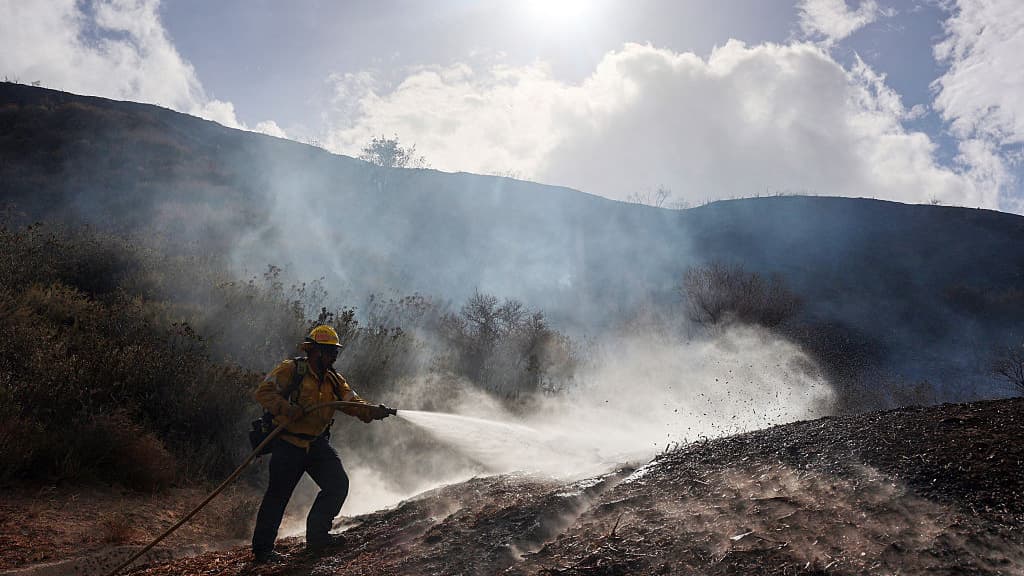
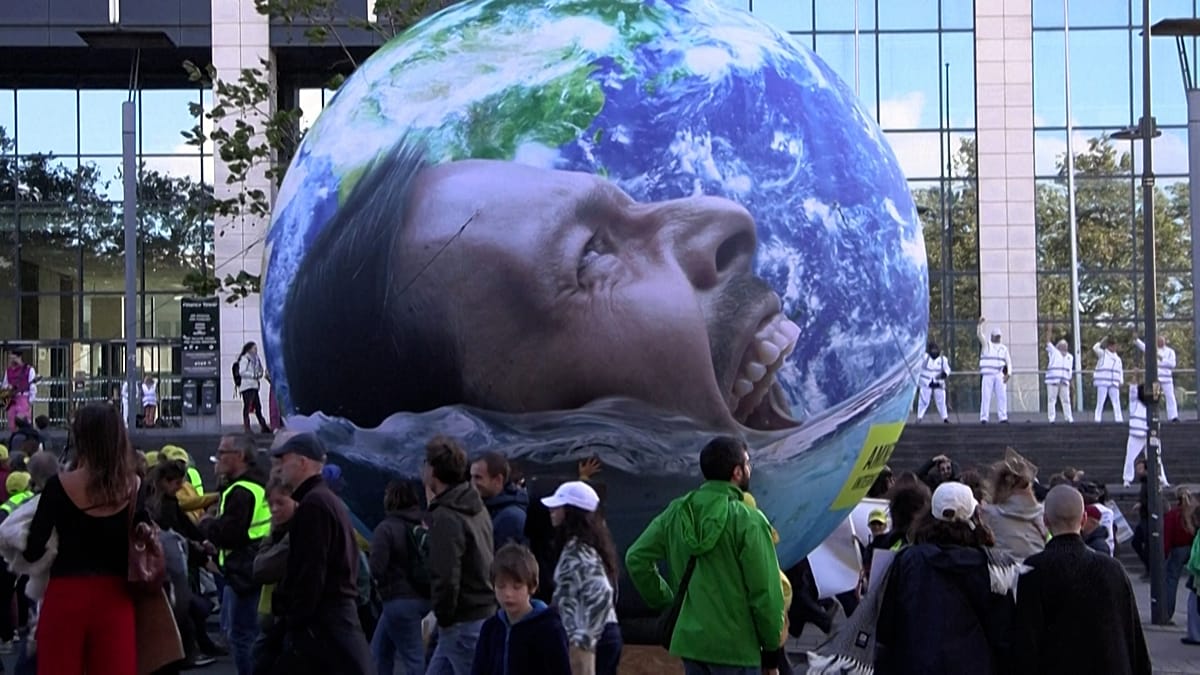
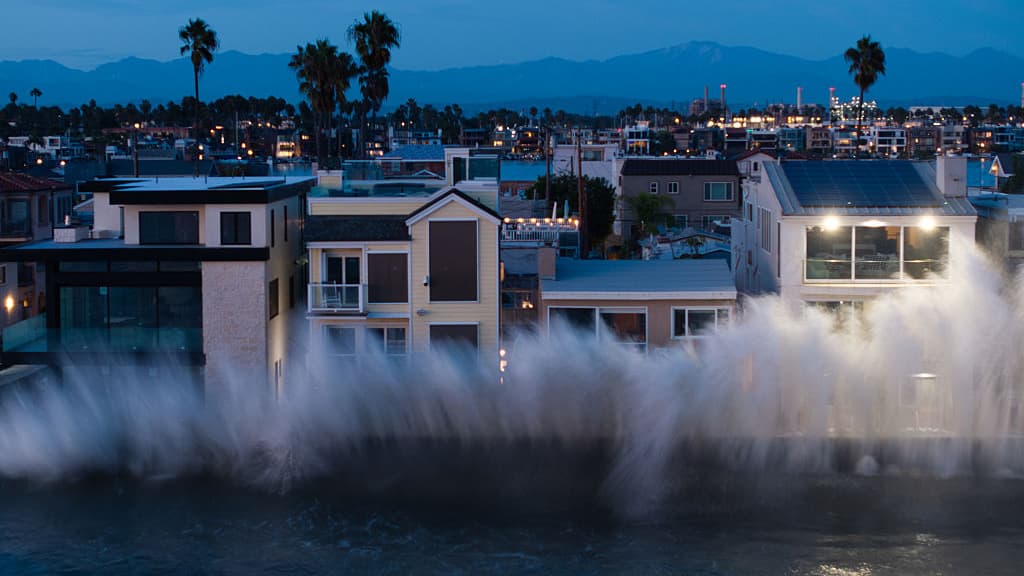
Ten-year-olds can vividly describe flooding cities, burning forests, and dying species. But ask what we can do about it, and they go silent.
“What does climate change mean? The sea rises and floods everything. Fires are gonna burn all the forests. We all die.”
Decades of doom messaging
Since the 1980s, climate communication has hammered one message: climate change is real, humans caused it, and the consequences are catastrophic. That's not enough.
“Most messages shared by progressive forces are merely an ad nauseam echo of: climate change is real, humans are to blame, and the consequences are catastrophic.”
Science alone won't move people

We have clear climate science and brutal direct experience through floods, fires, and storms. Yet politicians and populations haven't sprung into action. Logic isn't enough.
“We have clear science and brutal direct experience of climate change, so why haven't politicians and populations sprung into action?”
Stories create emotional architecture
We don't lack information about heat pumps or electric vehicles. We lack the emotional experience of wanting a different future and believing we can reach it. Stories do that.
“What we're missing is an emotional architecture for change; how it feels to want a different future and to believe we can reach it.”
Narrative transportation changes minds
When we enter a story, we temporarily experience the character's world as our own. Research shows this emotional experience directly influences real attitudes, intentions, and behaviors.
“Studies prove that this experience of emoting along with fictional people can directly influence real people's attitudes, intentions, and even our behaviors.”
Mythology, not just messaging
Climate politics treats storytelling as messaging strategy. But climate change is mythological in scale: it has monsters, heroes, allies, destruction, and rebirth. We need fables about better endings, not just warnings.
“A political narrative tells us how to understand an issue while mythology helps us understand ourselves.”
Culture makers are stepping up
Films like Avatar and The Wild Robot, Sesame Street episodes, and climate fiction novels are weaving solutions into compelling stories. These work because they're moving stories first, not science lectures.
The plot twist we need
Climate storytelling must move beyond threat into the adventure of solving it. We need tales of billions of people changing how they power homes, grow food, travel, and build cities.
“We need a plot twist in climate storytelling, moving beyond the threat and into the thrilling adventure of solving it.”
Imagination unlocks invention
When kids' minds fill with possibilities for climate solutions, they'll invent answers we haven't thought of yet. That's when real change begins.
“I hope every hand will shoot up, because we'll have filled kids' imaginations with enough possibilities that they can start inventing answers we haven't thought of yet.”
What matters most
Climate communication has focused on apocalypse for 40 years. We need compelling stories about solutions, not just warnings, to spark real action.