From TIME · Stephanie Choi · · 5m
Why BTS rejected the Grammys' new Asian pop category
A new Grammy category meant to celebrate Asian music raises uncomfortable questions about segregation, language, and what it means to be Asian.
In brief
A new Grammy category meant to celebrate Asian music raises uncomfortable questions about segregation, language, and what it means to be Asian. The Grammys' Asian Pop category conflates distinct musical cultures and forces Asian artists to prove their ethnicity through language, a burden Western artists never face…
Quick answers
- Why prove Asianness through language?
- If the category judges music by style, why does language determine eligibility? Western artists aren't required to prove their Westernness. The requirement forces Asian artists to prove their ethnicity in ways their Western counterparts never face.
- Where do Asian Americans fit?
- The Recording Academy says it celebrates Asianness widely recognized in Asian markets like K-pop, J-pop, and C-pop. But what about Asian American artists whose music is rooted in the United States, not an Asian market?
- Can Asian function as a category?
- The Grammys bet that Asian can meaningfully function as a cultural category. But the label doesn't imply shared language, culture, or musical tradition. Collapsing distinct cultures into one threatens to erase their differences.
- What is the key takeaway from Why BTS rejected the Grammys' new Asian pop category?
- The Grammys' Asian Pop category conflates distinct musical cultures and forces Asian artists to prove their ethnicity through language, a burden Western artists never face.
A new Grammy category sparks debate
The Recording Academy announced Best Asian Pop Music Performance for the 2027 Grammy Awards. BTS immediately said they wouldn't submit, fearing the category would sideline Asian artists from prestigious General Field awards.
The Academy defends the new category
Recording Academy CEO Harvey Mason Jr. said the category celebrates Asian pop's growth and diversity. He clarified that submitting there wouldn't exclude artists from Record of the Year, Album of the Year, or Song of the Year.
“The Asian Pop category was created to celebrate the depth, diversity, and extraordinary growth of pop artistry coming out of Asia.”
Western pop shaped Korean music
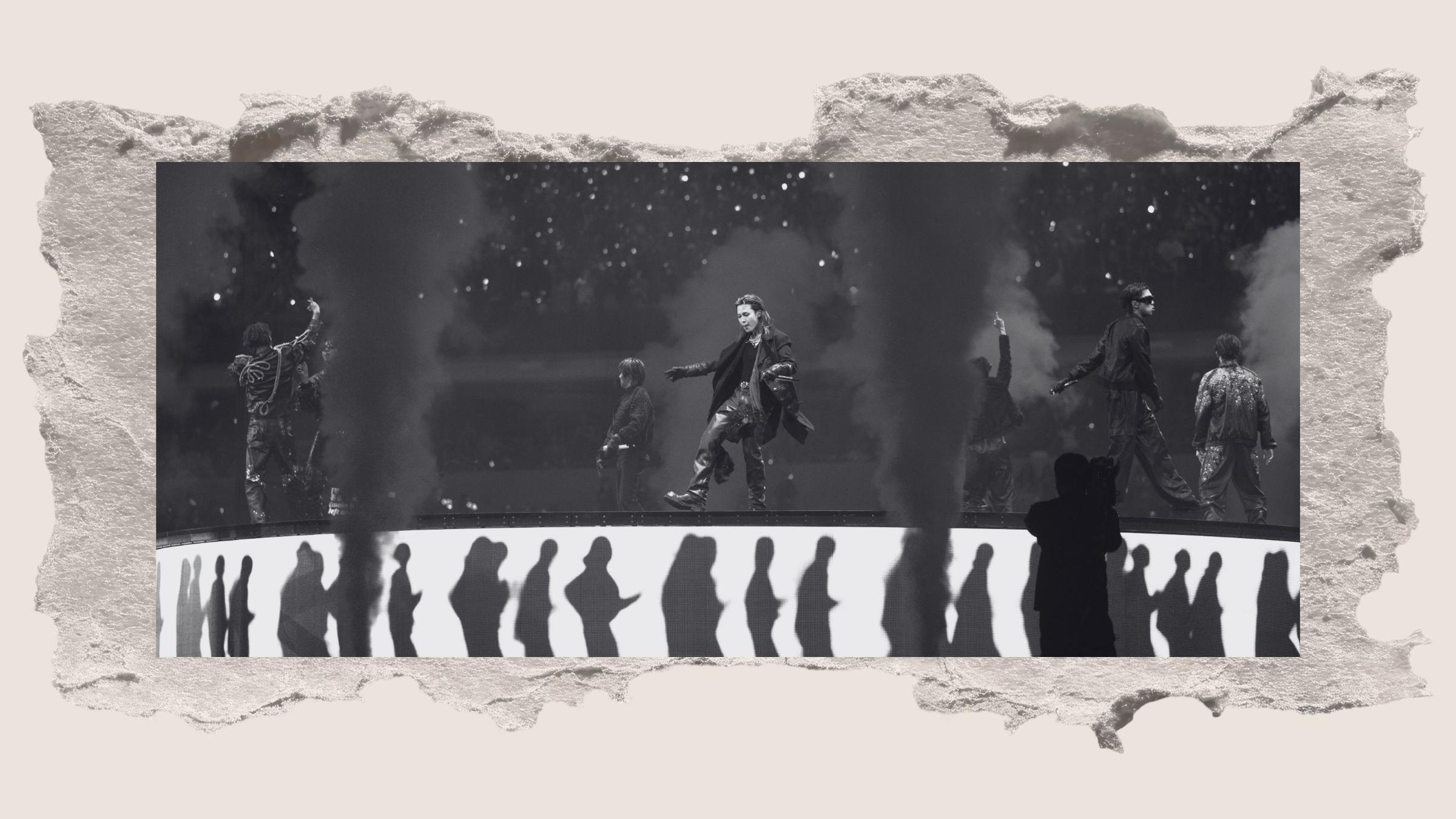
After the Korean War, U.S. military shows employed hundreds of Korean entertainers to perform American music for soldiers. For decades, Western pop was considered more prestigious and trendy than Korean pop in South Korea.
K-pop's integrated production system
Lee Soo Man founded SM Entertainment in 1995, creating an integrated system where entertainment companies managed artist recruitment, talent development, and music production under one roof, inspired by Motown and Japan's idol industry.
K-pop offers something different
American K-pop fans say K-pop is magical and catchy while American pop is boring. K-pop idols present elaborate fantasy universes with distinct personas and narratives, offering dreams and self-growth rather than songs about sex and parties.
“K-pop was magical and catchy, while American pop was boring and always the same.”
World-building became K-pop's signature
SM Entertainment debuted EXO in 2012 as extraterrestrial beings from EXO Planet. Since then, K-pop has integrated music, dance, costume, stage design, fashion, digital media, and AI production into elaborate audiovisual narratives.
Behind-the-scenes content built fandoms
BTS's YouTube series BANGTAN BOMB showed offstage moments portraying members as humble and hardworking. Fans voluntarily created multilingual subtitles, helping introduce BTS to international audiences and expand its global fanbase.
K-pop fans drive chart performance
K-pop idol groups compete weekly on televised chart shows, relying on fan purchases, streaming, and voting. In 2023, 19 of the top 20 albums on IFPI's Global Album Sales Chart were by South Korean acts.
BTS won through fan voting
BTS won Billboard's Top Social Artist award five consecutive times from 2017 to 2021, a fan-voted prize that propelled the group into American mainstream attention. ARMYs called it a fan-forced entry into the American market.
Digital media shifted industry power
Fans now discover music on Spotify and YouTube, discuss it on X and TikTok, and pressure companies through organized campaigns. Digital media made fan power more immediate, visible, and able to reach beyond individual fandoms.
The language requirement contradicts itself
The Grammy Academy says the Asian Pop category is based on musical style, not ethnicity. Yet it requires an Asian language to play a significant role in the song, making English-language recordings ineligible.
“The musical style is determinative of eligibility, not the ethnicity or nationality of the performer(s).”
K-pop artists face an impossible choice
K-pop acts often release both Korean and English versions of the same song. Submitting the English version elsewhere means they can't submit the Korean version for Asian Pop. English recordings are ineligible; Korean recordings rarely win General Field awards.
Why prove Asianness through language?
If the category judges music by style, why does language determine eligibility? Western artists aren't required to prove their Westernness. The requirement forces Asian artists to prove their ethnicity in ways their Western counterparts never face.
Asian pop is too broad a label
K-pop, J-pop, and C-pop use different languages and emerge from distinct musical industries and cultural histories. Grouping them under one Asian Pop category collapses distinct cultures into a meaningless umbrella term.
BTS can afford to say no
BTS can walk away from the Grammys and remain mainstream in South Korea through awards like MAMA and Melon Music Awards. The Grammys remain prestigious but are no longer the only institution conferring global recognition.
“The Grammys remain prestigious, but they are no longer the only institution capable of conferring global recognition.”
But not all Asian artists can refuse
BTS can reject the Grammys because they're based in South Korea. But Asian American musicians in the United States can't simply leave the American music industry. For them, the U.S. is home, not a foreign market.
Where do Asian Americans fit?
The Recording Academy says it celebrates Asianness widely recognized in Asian markets like K-pop, J-pop, and C-pop. But what about Asian American artists whose music is rooted in the United States, not an Asian market?
Can Asian function as a category?
The Grammys bet that Asian can meaningfully function as a cultural category. But the label doesn't imply shared language, culture, or musical tradition. Collapsing distinct cultures into one threatens to erase their differences.
“A label as broad as Asian does not by itself imply a shared language, culture, or musical tradition.”
Here's the gist
The Grammys' Asian Pop category conflates distinct musical cultures and forces Asian artists to prove their ethnicity through language, a burden Western artists never face.