From TIME · Dominique Mosbergen · · 2m
Why Dangerous Fungi Are on the Rise
Dangerous fungi are spreading globally, causing deadly infections and evolving to evade treatments as climate change and medical advances create new vulnerabilities.
In brief
Dangerous fungi are spreading globally, causing deadly infections and evolving to evade treatments as climate change and medical advances create new vulnerabilities. Candida auris and other fungi are increasingly infecting people worldwide, with rising deaths and drug resistance linked to warming temperatures and…
2015 Call from UK
Dr. Tom Chiller received a call from British officials about Candida auris causing deadly infections at a London hospital.
Candida Auris Basics
Candida auris is a yeast that spreads easily, survives high temperatures, and resists antifungal drugs.
Global Spread

Candida auris has sickened tens of thousands in over 80 countries and six continents since 2:015.
CDC Priority
The CDC listed Candida auris as one of four top-priority drug-resistant pathogens requiring urgent action.
High Mortality
Up to 60% of Candida auris infections result in death, with thousands of cases reported annually in the U.S.
Climate Change Link
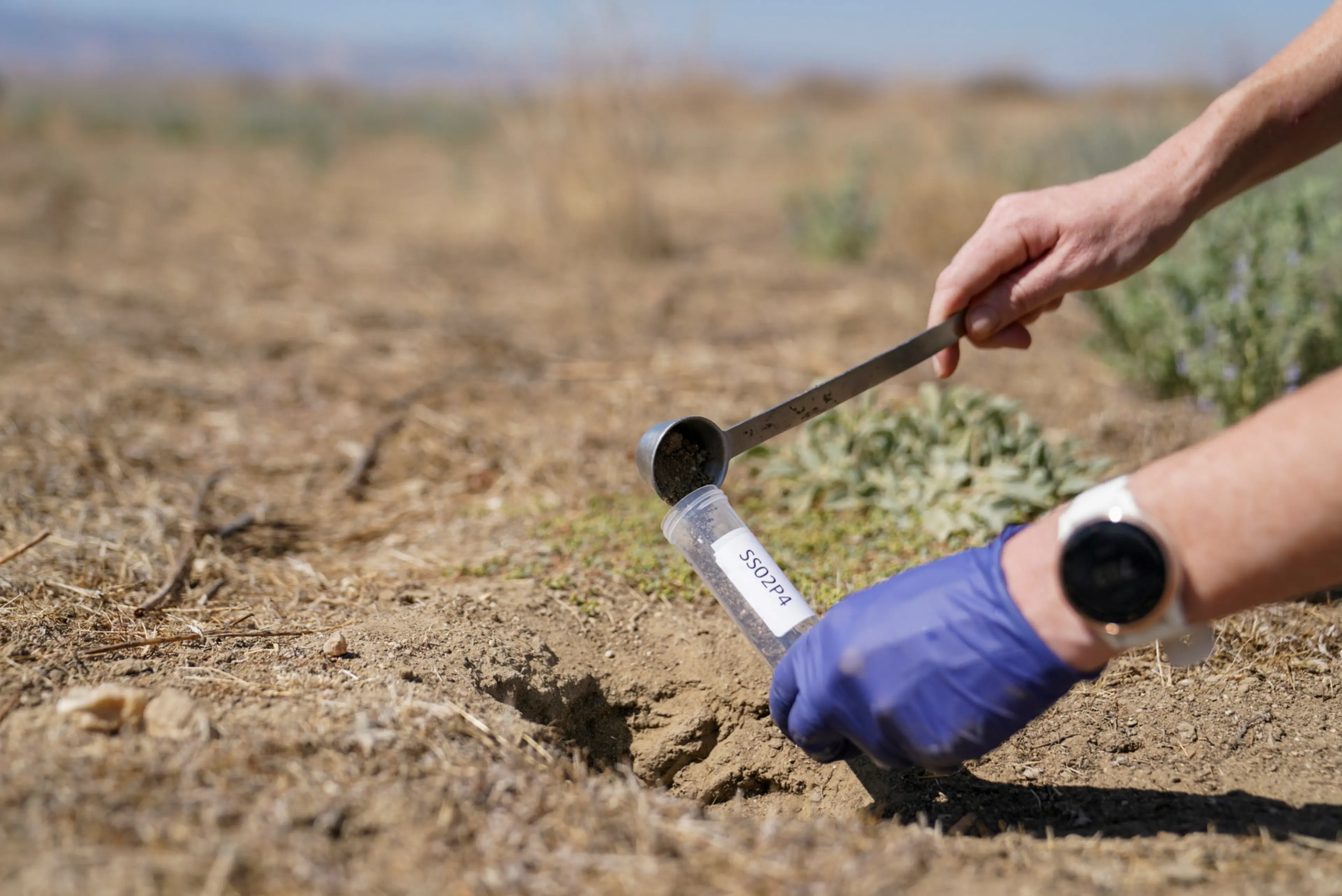
Rising global temperatures are driving fungal evolution and spread, creating conditions for deadly infections.
Antifungal Resistance
Candida auris is highly resistant to antifungal drugs, with some cases being pan-resistant.
Immunocompromised Risk
At least 7 million Americans are immunocompromised due to medical treatments, increasing fungal infection risks.
Ryan Zwick's Case
Ryan Zwick, a 22-year-old nurse, developed a severe Candida auris infection after hospitalization for cardiac issues.
Osteomyelitis Complications
Zwick developed bone infections requiring surgery and ongoing antifungal treatment for over two years.
Vaginal Infections
Candida auris causes untreatable vaginal infections in otherwise healthy people, requiring IV antifungals.
Urinary Tract Infections
Candida auris is causing untreatable urinary tract infections in people without medical devices.
Sporothrix Spread
Sporothrix brasiliensis is spreading from Brazil to the U.S., causing disfiguring skin infections in people and animals.
Climate-Driven Spread
Fungi are adapting to warmer temperatures, spreading to new regions and causing more severe infections.
CDC's Response
The CDC is working with researchers to develop better tests and treatments for fungal infections.
Valley Fever Cases
Valley fever affects up to 360,000 Americans yearly, with cases spreading to new regions.
Future Threats
Fungi are evolving to become more virulent and resistant, with potential for widespread human impact.
What it means
Candida auris and other fungi are increasingly infecting people worldwide, with rising deaths and drug resistance linked to warming temperatures and weakened immune systems.