From TIME · Nicholas Bequelin · · 2m
Why France is Burning
Students protest underfunded schools and inequality as France faces political crisis.
In brief
Students protest underfunded schools and inequality as France faces political crisis. Students in France protest poor school conditions and systemic inequality ahead of April 2027 presidential elections. Originally reported by TIME.
Student protests begin
Students at Lycée Saint-Exupéry in Créteil protested poor school conditions on Sept. 17.
Protests spread nationwide
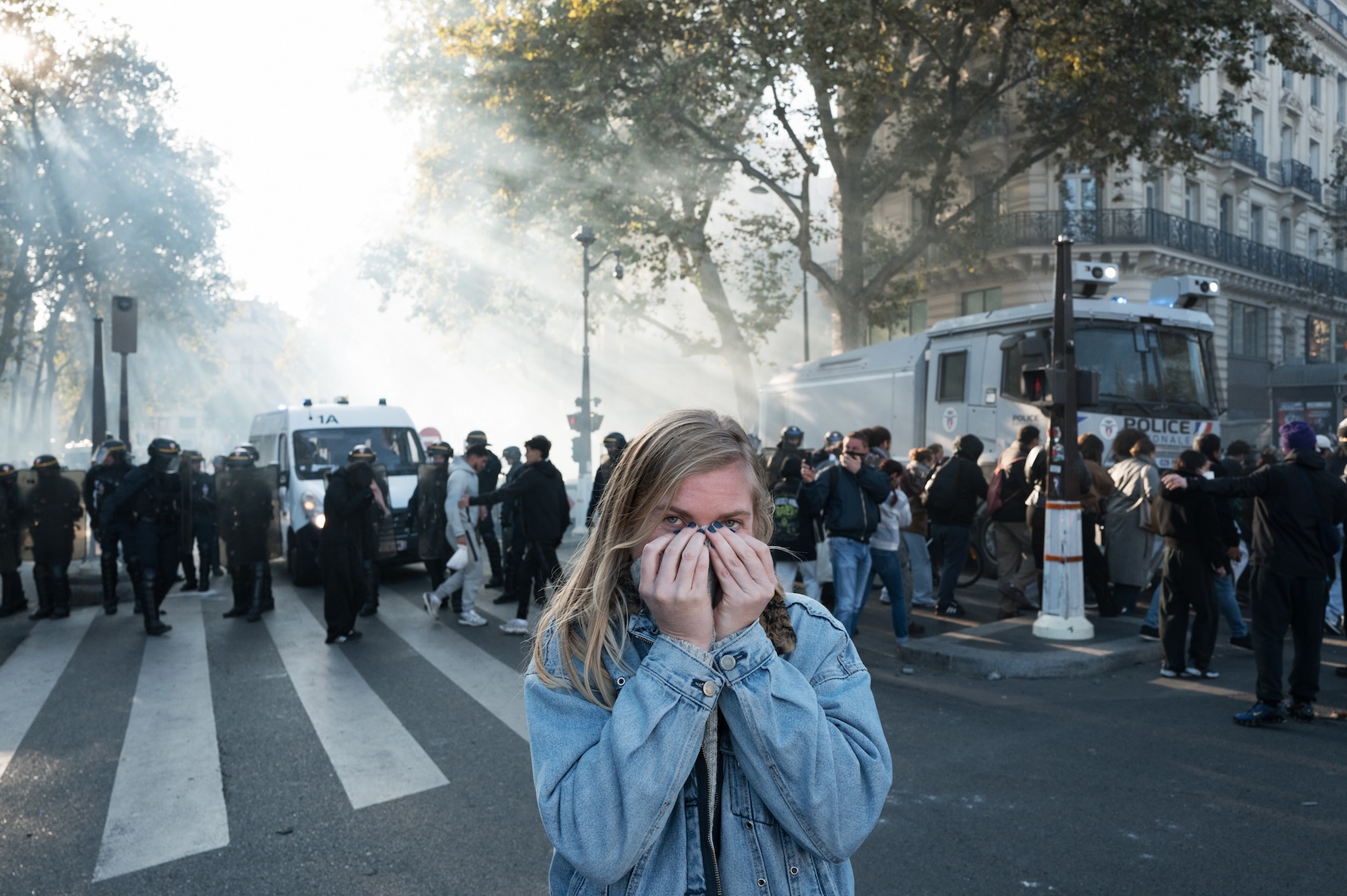
Over 160,000 students and trade unionists protested across France on Tuesday in the third week of demonstrations.
Violence escalates
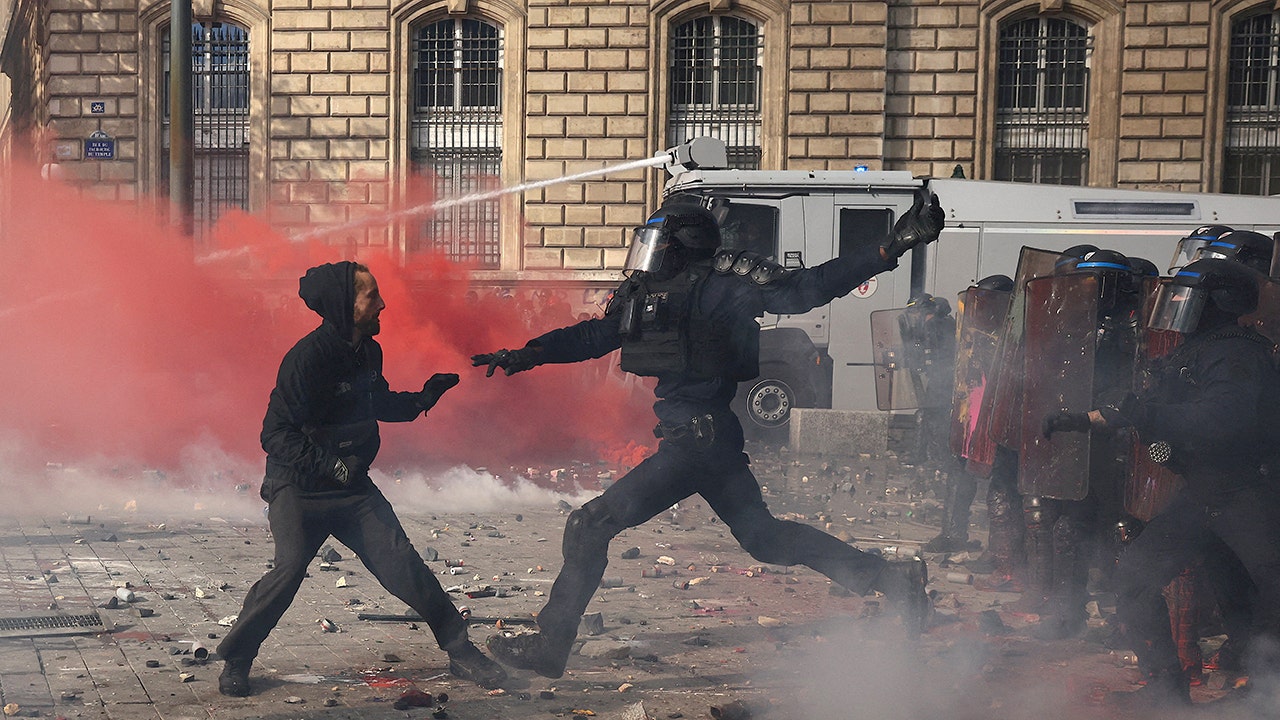
Over 200 students, 85 school staff, and 700 police officers injured in clashes nationwide.
A 15-year-old boy's injury
A 15-year-old boy had his hand blown off by a police grenade during a protest in Lens, northern France.
Over 6,000 arrests
More than 6,000 protesters arrested, most minors, later released without charge.
Macron's governing style
Protests erupted after nearly a decade of Macronisme, the right-of-center top-down governing style.
Broader discontent
Anger over school quality, university admissions, racial discrimination, and feeling unheard.
Political crisis deepens
France holds presidential elections in April 2: Marine Le Pen leads opinion polls with National Rally.
Far-left alternative
Jean-Luc Mélenchon promises redistribution of power and resources toward the working class.
Postwar model collapse
France's public debt stands at 119.3% of GDP and is expected to rise next year.
Economic challenges
France faces rising borrowing costs and economic stagnation amid global tensions.
Inequality crisis
Students cite economic inequality and the power of France's meritocratic myth as key grievances.
Racial discrimination
Visible minorities underrepresented in political and business elites, facing discrimination in urban areas.
Paris concentration
Political power and economic opportunity concentrated in Paris creates deep economic divides.
Yellow Vest connection
2018 Yellow Vest revolt showed similar resentment over inequality between Paris and rural France.
Election dynamics
Over 250,000 people joined protests on Oct. 6 as students, teachers, parents, and unions took to the streets.
Presidential election stakes
A Le Pen or Mélenchon presidency could test European cohesion on migration, budgets, and EU authority.
European implications
France and Germany together account for 40% of EU economy; political weakness risks European stability.
The revolution still to come
Students demand political change as France faces deep inequality and systemic privilege.
The essence
Students in France protest poor school conditions and systemic inequality ahead of April 2027 presidential elections.