From TIME · Ashwini Nadkarni · · 1m 50s
Why social media likes mess with our heads
Meta's decision to hide likes from under-18s touches on a deeper problem: our brains evolved for small groups, not endless comparison.
In brief
Meta's decision to hide likes from under-18s touches on a deeper problem: our brains evolved for small groups, not endless comparison. Meta will hide likes from users under eighteen by default, addressing how social media's quantified feedback triggers ancient comparison instincts our brains cannot handle at scale…
Meta hides likes from teens
Under a recent settlement with states, Facebook and Instagram will no longer show likes and reactions to users under eighteen by default, starting soon.
The ancient instinct behind the change
Social comparison is how people assess themselves against others. Likes quantify that validation, making comparison harder to avoid and triggering deep psychological patterns.
Evolution built us for small groups
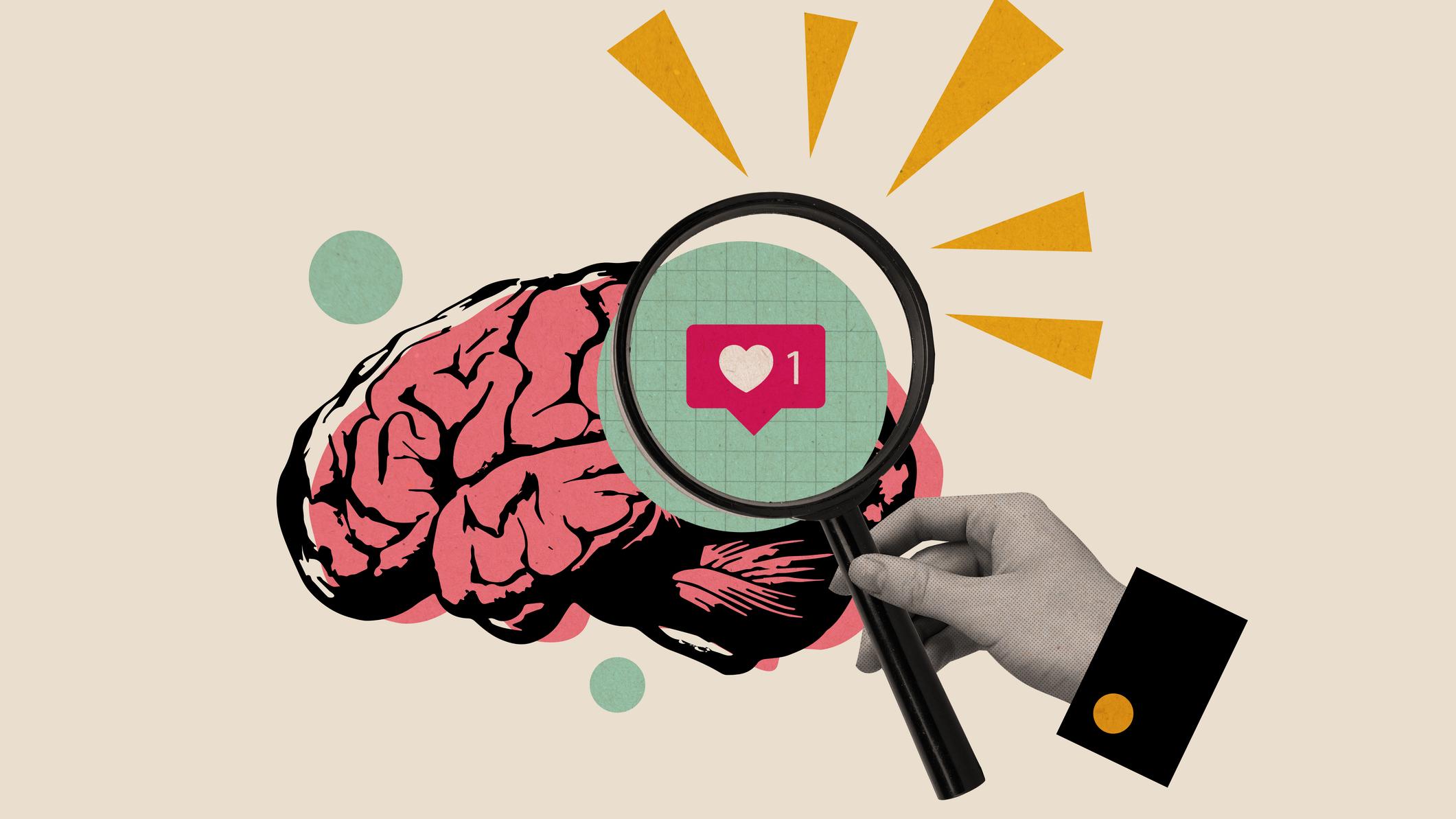
Humans evolved knowing where they stood in their social group. A high school reunion once happened in a lifetime. Now that reunion lives in your pocket, offering constant quantified feedback from thousands.
Our brains process likes like wins and losses
Neuroimaging shows brains allocate value to how we stack up against others. Downward comparison triggers reward circuits. Upward comparison triggers circuits for unpleasant emotions, like processing losses.
Constant comparison harms mental health
Adults who frequently compare themselves upward report immediate declines in self-evaluation. Across age groups, heavy social comparison combined with poor coping links to more anger, anxiety and depression.
Numbers make wondering into certainty
Hiding likes removes a metric from the scoreboard but won't eliminate the instinct to compare. The difference is wondering where you stand versus a number answering that question for you.
“there's a difference between wondering and a number answering that question for us”
The real shift lies beyond platforms
Social media did not invent comparison. It encoded one form of social feedback into numbers we monitor. Real change means asking what we value and what makes our lives matter without a scoreboard.
What to remember
Meta will hide likes from users under eighteen by default, addressing how social media's quantified feedback triggers ancient comparison instincts our brains cannot handle at scale.