From TIME · Coltan Scrivner · · 1m 40s
Why We Like to Be Scared
Horror films and stories thrive as audiences seek safe ways to process real-world anxieties.
In brief
Horror films and stories thrive as audiences seek safe ways to process real-world anxieties. Horror genres help people confront uncertainty and test limits through safe simulations of fear. Originally reported by TIME.
Economic Anxiety and Horror's Rise
Horror films and stories thrive amid economic anxiety, AI concerns, and geopolitical instability.
Horror Breaks Sales Records
Horror sub-genre sets new sales records in publishing while films dominate box office.
Horror Films Dominate Box Office
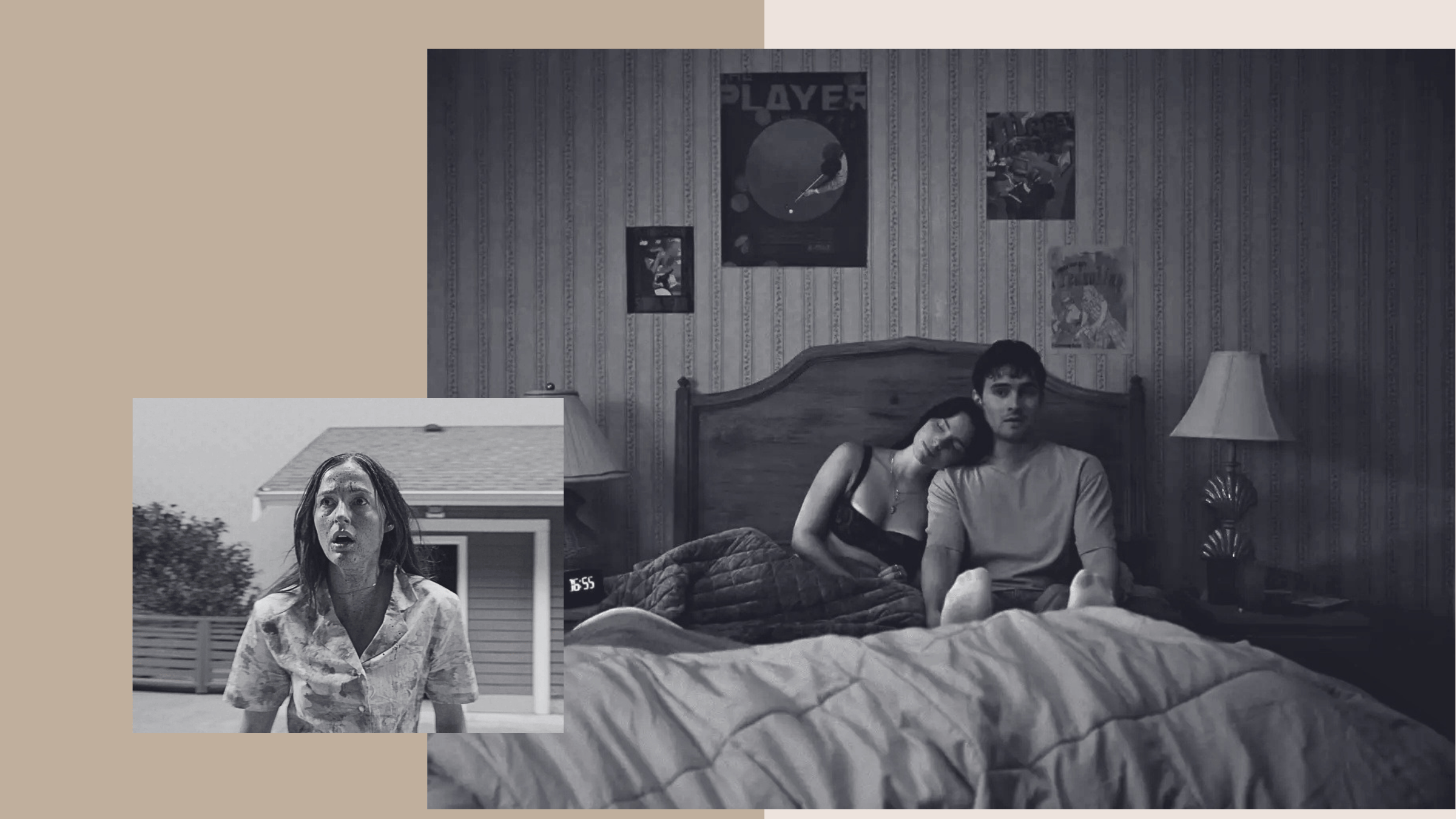
Backrooms and Obsession grossed over $460 million domestically and $900 million globally.
Young Directors Drive Horror
Backrooms and Obsession were directed by young creators who gained experience on YouTube.
Why We Seek Fear
Humans love to be scared, sharing stories and consuming horror to confront uncertainty.
White Knucklers and Dark Copers
Horror fans include white knucklers who practice overcoming fear and dark copers who process anxiety safely.
Horror as a Safe Laboratory
Horror provides a safe space to simulate dangerous scenarios without real-world risks.
Gen-Z and Mental Health
39% of Gen-Z adults feel life lacks meaning, with 1 in 3 reporting poor mental health.
Horror Reflects Social Anxieties
Films like Backrooms mirror social media's meaninglessness and Gen-Z dating struggles.
Horror's Box Office Growth
Horror films grew from 150 per year in the 1980s to over 1,500 per year in the 2020s.
Horror's Resilience During Pandemic
Horror films maintained box office share during theater closures from the pandemic.
Horror as a Cultural Response
Horror helps process social anxieties through safe simulations of fear and danger.
What matters most
Horror genres help people confront uncertainty and test limits through safe simulations of fear.