From TIME · Stephanie Zacharek · · 3m
You Can See Everything fails to reinvent documentary
Nathan Fielder's film about Elizabeth Holmes is clever but hollow, mistaking performative irony for artistic depth.
In brief
Nathan Fielder's film about Elizabeth Holmes is clever but hollow, mistaking performative irony for artistic depth. You Can See Everything, a documentary about Elizabeth Holmes directed by Nathan Fielder and Lance Oppenheim, uses performative irony and Amanda Seyfried's presence to explore the filmmaker-subject…
Documentary objectivity is impossible
Filmmakers cannot be neutral observers. The sensibility behind the camera shapes what viewers see and think, even when not stating it directly.
Fielder and Oppenheim film Holmes
You Can See Everything, directed by Nathan Fielder and Lance Oppenheim, debuted at the Telluride Film Festival. It chronicles the thirty four days before Elizabeth Holmes' incarceration.
Holmes' conviction and sentence
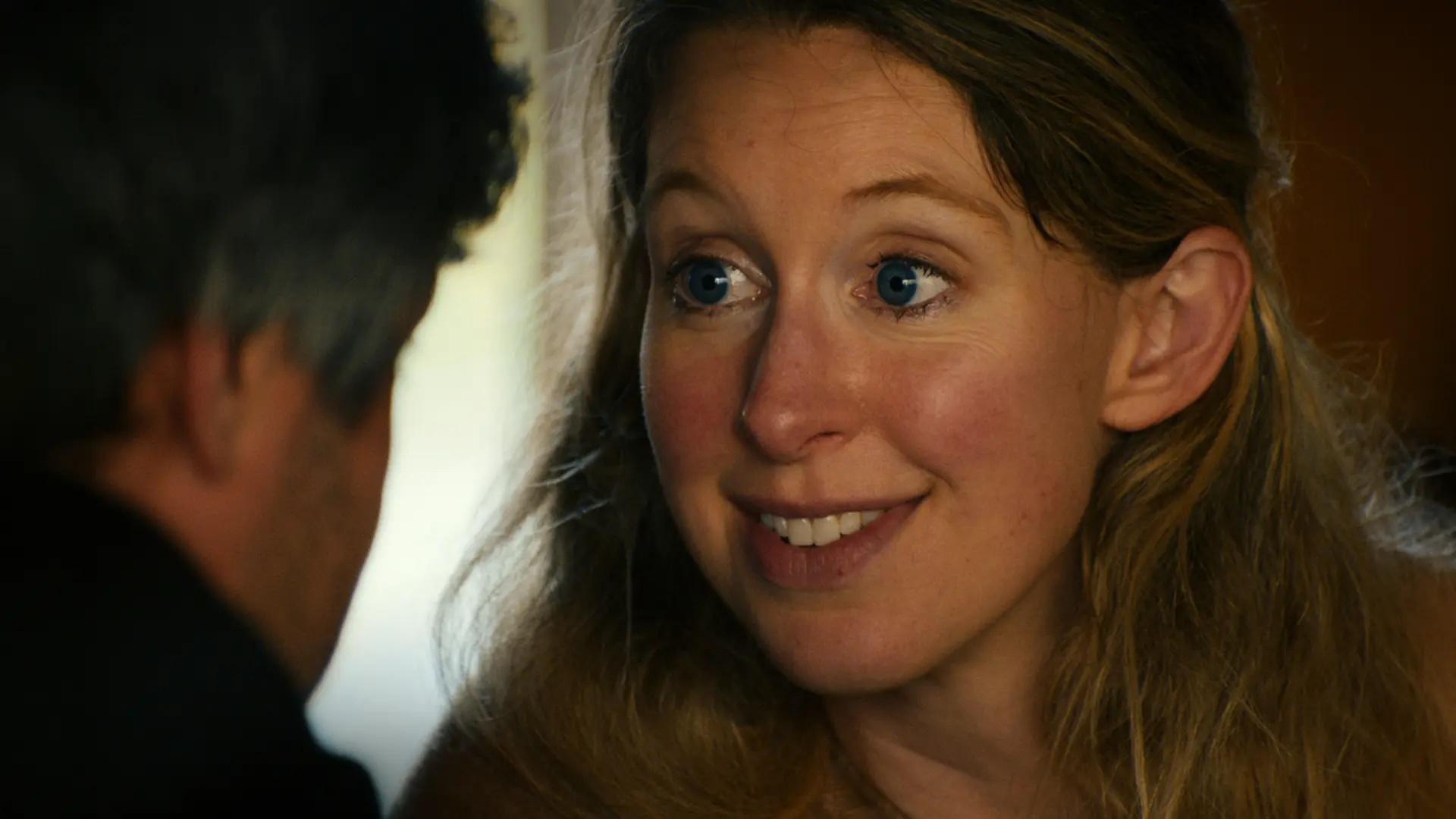
Holmes, founder of blood-testing technology company Theranos, was convicted of fraud in two thousand eighteen and sentenced to just over eleven years in federal prison, commencing in May two thousand twenty three.
Evans wanted Holmes humanised
Billy Evans, Holmes' partner, urged the filmmakers to make the documentary. He wanted the world to see Holmes as a devoted partner and mother, not the villainized figure she had become.
Holmes promises complete transparency
Holmes vowed to keep nothing hidden from the filmmakers. The film's title comes from this spoken promise, but the question remains whether she fulfilled it.
“You Can See Everything”
Fielder's performative questioning
Fielder appears on screen repeatedly, asking probing questions that catch Holmes in slippery half-truths. His theatrical reactions, widened eyes, furrowed brow, slack jaw, are performed for the audience.
Holmes' evasive self-invention
Holmes insists she cannot lie or deceive, speaking phrases like all I know is my truth while working to convince the filmmakers of her innocence. Evans frequently interjects to support her.
“All I know is my truth”
Fielder and Oppenheim's smirkiness
Both directors are known for making themselves and others look foolish. Their stultifying smirkiness dominates the first half, with Fielder from Nathan for You and The Rehearsal, Oppenheim from Primetime and Some Kind of Heaven.
The film shifts two years later
The second half picks up two years after Holmes went to prison.Fielder and Oppenheim lose access to their subject as Evans curtails contact, appearing less like a caring husband and more like an evil puppetmaster.
Seyfried stands in for Holmes
Amanda Seyfried, who played Holmes in the two thousand twenty two miniseries The Dropout, stands in for the disgraced entrepreneur and weighs in on her plight, becoming the film's saving grace.
Fielder's sympathies shift
As evidence mounts that Evans is a megalomaniac, Fielder grows concerned about Holmes. He questions whether she is a victim not just of public opinion but of the person closest to her.
Seyfried sees potential manipulation
Seyfried thinks Holmes may have been both manipulated and misjudged, convinced her company could disrupt healthcare. She is clear-eyed enough to see Fielder may be going overboard in his emotional attachment.
The film does not revolutionise documentary
You Can See Everything reinforces what distinguishes novelty from genius, mere cleverness from true depth. It feels like a product brought to market rather than an example of the documentarian's art.
What it means
You Can See Everything, a documentary about Elizabeth Holmes directed by Nathan Fielder and Lance Oppenheim, uses performative irony and Amanda Seyfried's presence to explore the filmmaker-subject relationship, but does not revolutionize documentary filmmaking.


