From TIME · TIME Staff · · 5m
Your guide to voting in the 2026 midterms
Election Day is November 3. Here's what you need to know about registration, early voting, mail-in ballots, and federal interference at the polls.
In brief
Election Day is November 3. Here's what you need to know about registration, early voting, mail-in ballots, and federal interference at the polls. The 2026 midterm elections on November 3 will determine Congress and state offices amid concerns about mail-in voting restrictions and possible federal agents at polling…
Midterms are November 3, 2026
Held midway through each four-year presidential term, midterm elections let voters choose local representatives, weigh in on state issues, and determine which party controls Congress.
Unique challenges to democracy
The Trump Administration has attempted to restrict mail-in voting and gather voter data from several states. Concerns have been raised about federal agents at polling stations, which President Donald Trump has not categorically ruled out.
What's on your ballot varies

Unlike presidential years, ballots vary by state and county. There are U.S. Senate races in thirty-five states, gubernatorial elections in thirty-six states, and all four hundred thirty-five House seats are up for election.
Abortion and voting rights on ballots
In four states, Idaho, Missouri, Nevada, and Virginia, voters will decide on ballot measures concerning abortion rights. Six states, including Alaska and Arizona, will decide on citizenship requirements for voting.
Find your sample ballot online
Vote.org and Ballotpedia have sample ballot lookup tools. Official websites in Minnesota, Wisconsin, and New York City also have what's on my ballot pages where you enter your address.
Who can register to vote
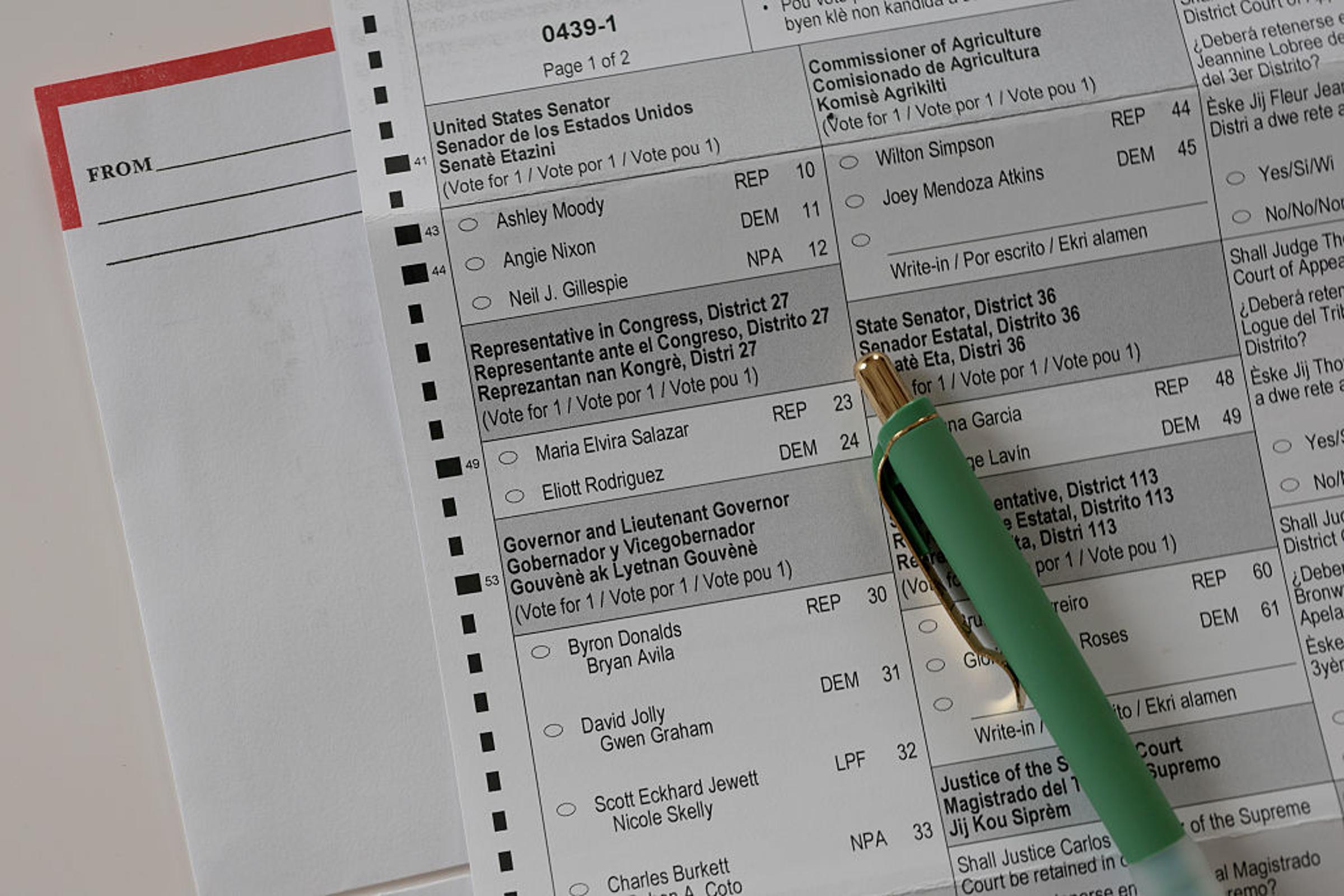
You must be a U.S. citizen and generally eighteen years old on or before Election Day. Almost every state allows people to register before their birthday if they will be eighteen by Election Day. North Dakota does not require voter registration.
Homeless voters can register
People experiencing homelessness or between homes can vote. They may use a shelter, religious center, or P.O. box as a mailing address and identify where they live or sleep as their residential address.
Check your registration status
Visit the National Association of Secretaries of State website, choose your state, and you'll be sent to your state's election website. Most states ask for your name, date of birth, and address.
Registration deadlines vary by state
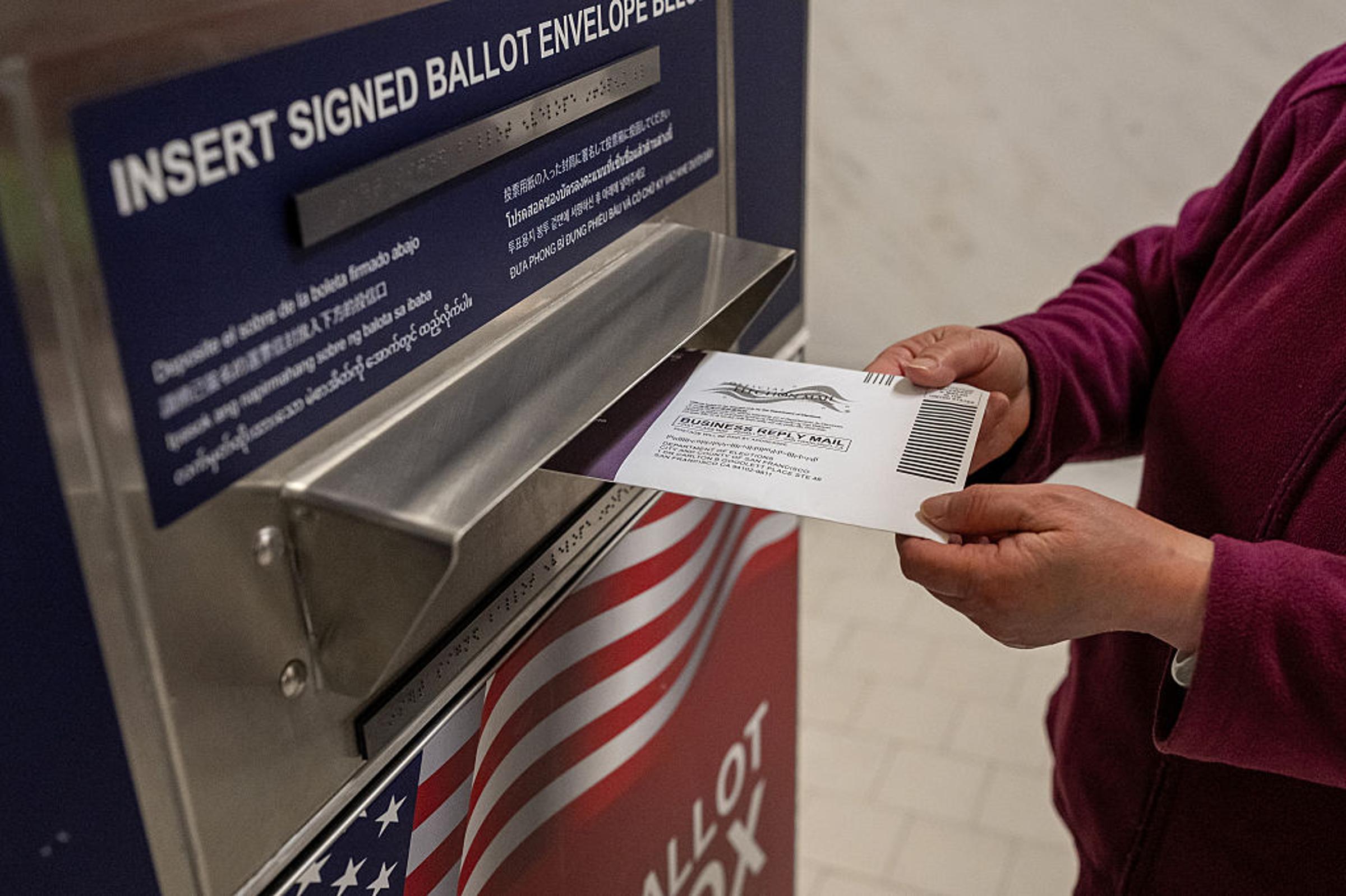
The deadline to register to vote varies by state. Check the U.S. Vote Foundation's website to find your state's deadline before submitting an application.
Documents needed to register
In most cases you need a driver's license or state identification card. If you don't have either, your state may accept a utility bill or bank statement. Requirements vary by state.
Inactive registration still lets you vote
Your registration may be marked inactive if you don't respond to a notice about moving. Inactive voters generally remain registered and can still vote, though they may need to confirm their address at the polls.
Early voting starts September 18
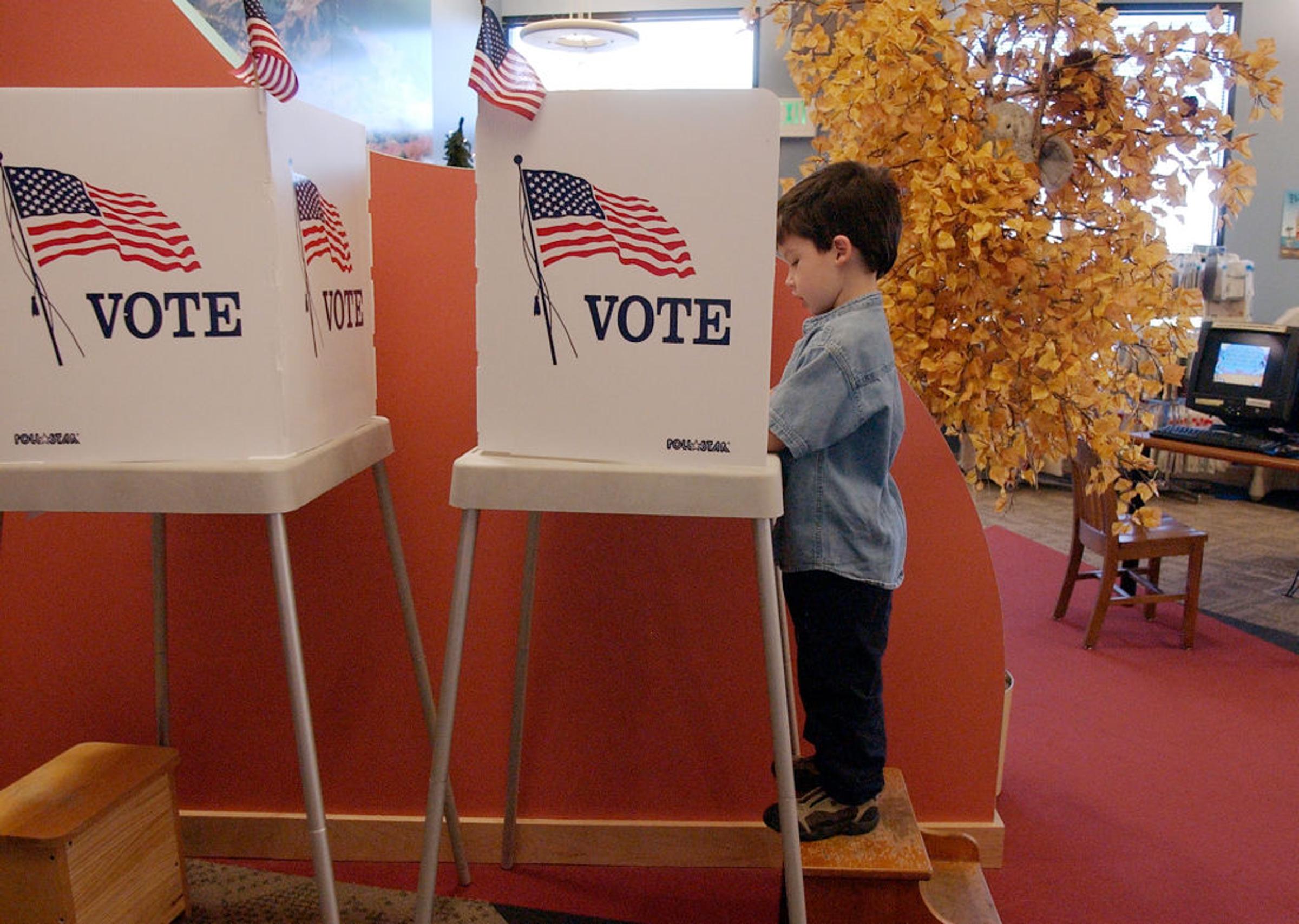
Early voting began in four states September eighteen and will expand throughout October. As of twenty twenty-six, forty-seven states and Washington, D.C., allow any voter to vote early in person.
Vote-by-mail vs. absentee voting
In vote-by-mail states, all active registered voters automatically receive ballots. Eight states, California, Colorado, Hawaii, Nevada, Oregon, Utah, Vermont, and Washington, conduct elections this way. Other states require you to request absentee ballots.
Track your mail-in ballot
Most states offer online ballot tracking. Illinois, Missouri, and Wyoming do not have statewide trackers, though some local jurisdictions may offer them. Contact your local election office if tracking isn't available.
Fix problems with your ballot
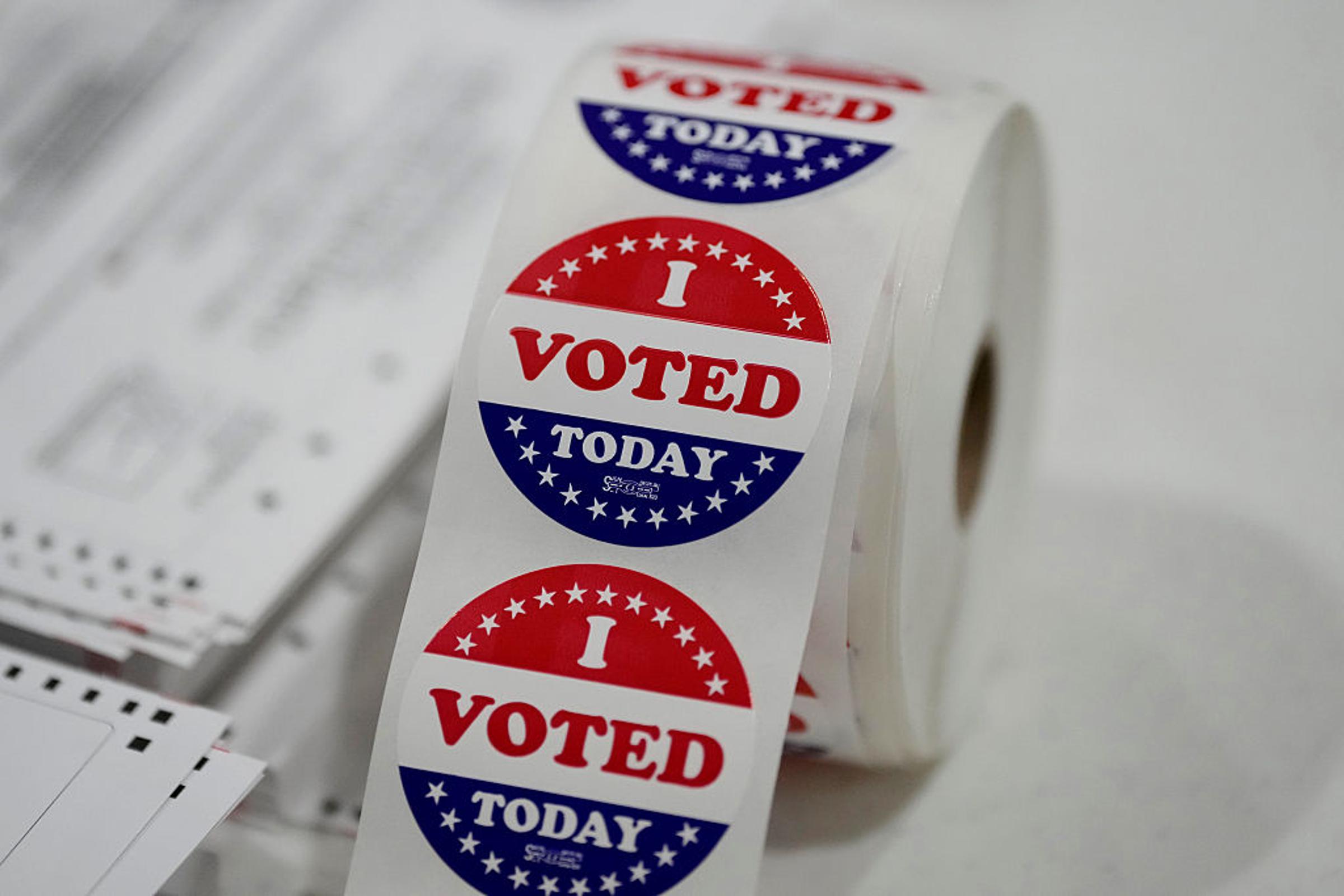
If election officials find a problem with your ballot, they may notify you and let you fix it by signing a new envelope or providing ID. A missing or unverifiable signature can cause rejection.
“The election official who is reviewing ballots will tell you what information you need to provide to make that cure, such as signing a new ballot envelope or providing a copy of your ID.”
Thirty-six states require voter ID
As of twenty twenty-six, thirty-six states require identification before voting. Acceptable forms include driver's license, passport, voter registration confirmation, utility bill, or bank statement. Check USA.gov for your state's requirements.
Long lines hit Black and Latino voters hardest
Long lines can deter voting, especially for Black and Latino voters, who on average have experienced longer waits than white voters, according to a June twenty twenty report by the Brennan Center for Justice.
Federal agents at polls are illegal
The Trump Administration has not ruled out deploying federal agents on Election Day. Federal interference at the polls is against the law. The law prohibits federal officials from stationing troops or armed personnel at polling places except to repel armed enemies.
“anything necessary”
Report federal agents at polls
If you see federal agents at the polls, contact the election protection hotline at one eight six six O U R V O T E. Spanish speakers can call one eight eight eight V E Y V O T A. Asian language speakers can call one eight eight eight A P I V O T E.
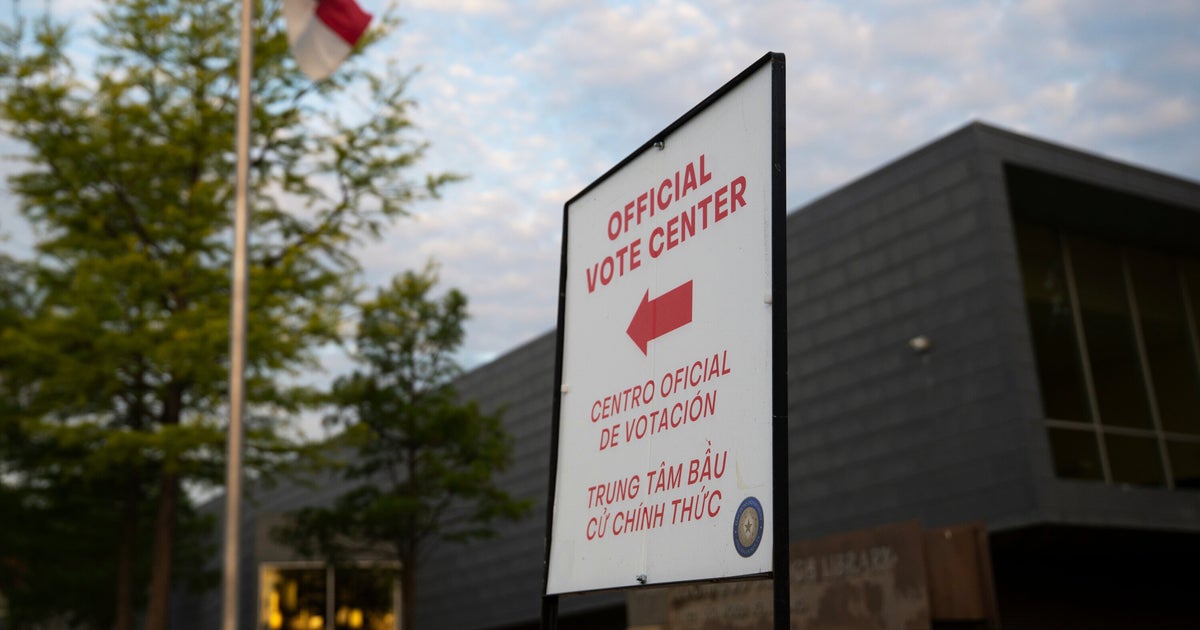
Polling hours vary by location
Polling hours vary state by state and sometimes county by county. Poll closing times vary in North Dakota and New Hampshire. Check your state's website for specific hours in your area.
What to remember
The 2026 midterm elections on November 3 will determine Congress and state offices amid concerns about mail-in voting restrictions and possible federal agents at polling sites.