From TIME · Eliana Dockterman · · 5m
Zoe Kazan rewrites her grandfather's masterpiece
The screenwriter and actor adapts East of Eden for Netflix, grappling with family legacy and literary complexity.
In brief
The screenwriter and actor adapts East of Eden for Netflix, grappling with family legacy and literary complexity. Zoe Kazan's East of Eden adaptation centers the characters her grandfather omitted, particularly the morally complex mother Cathy, while exploring how we escape the weight of family and national history…
A serendipitous in-flight discovery
On a flight to New Zealand in June 2024, Zoe Kazan watched her grandfather Elia Kazan's 1955 film version of East of Eden for the first time in years. She was scouting locations for her own seven-part Netflix adaptation of the novel.
“They had East of Eden, and I was like, 'I guess the gods are conspiring.'”
Relief at the differences
Kazan was relieved to discover her grandfather's film was less faithful to Steinbeck's novel than she remembered. It covers only the last third, omits crucial characters, and misses famous lines, leaving room for her own interpretation.
“It was less like the book than I remembered.”
A complete multi-generational saga
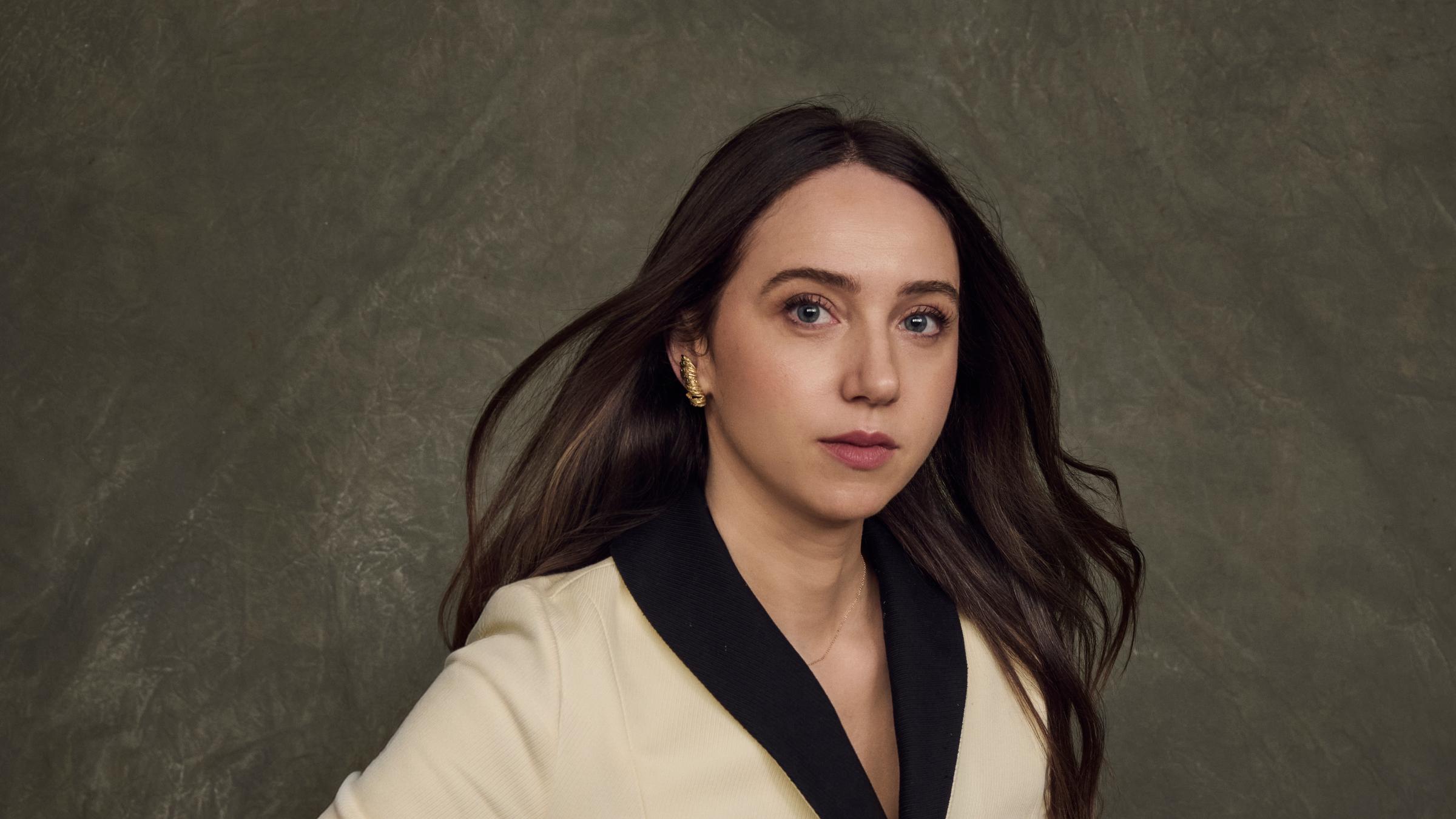
Kazan's adaptation covers the entire novel, following two generations of the Trask family as they grapple with whether they can escape their family's violent history. The story reimagines Cain and Abel twice over, exploring how America itself carries the weight of slavery and racism.
Elia Kazan's own self-portrait
Elia Kazan directed A Streetcar Named Desire and On the Waterfront, and co-founded the Actors Studio. In nineteen fifty-two, he testified before the House Un-American Activities Committee and named names during the Hollywood blacklist era.
Projecting onto Cal
Zoe believes her grandfather saw himself in Cal, the black sheep of the family. Elia Kazan had a cold, demanding father, and his version of East of Eden focuses on guilt, rejection, and alienation. He died in two thousand three when she was twenty.
Centering the omitted characters
Zoe was most intrigued by characters her grandfather rewrote or left out: Cathy, a mother who abandons her infant sons, and Lee, a Chinese American servant who raises the boys. These characters became central to her adaptation.
Following in family footsteps
Zoe recognizes the irony of adapting a family story while grappling with her own family legacy. She doesn't think she'd be doing her job as an artist if she weren't thinking about her family while making this family story.
“There's a literal way that I'm following in my family's footsteps.”
A teenage obsession with Steinbeck
At fifteen, the Los Angeles native took a Steinbeck-themed road trip up the California coast with her parents, dog-eared copy of East of Eden in hand. Years later, she asked her agents to contact her if anyone purchased the rights.
The pitch that landed the job
In December two thousand nineteen, while shooting in Australia, Kazan got the call that someone had purchased the rights. She flew back to Los Angeles with her fifteen-month-old to pitch her vision of the story to the buyers.
A career as writer and actor
Kazan had already built a career as a screenwriter with Ruby Sparks and Wildlife, co-written with her partner Paul Dano, and as an actor in The Big Sick and She Said. She spent six years developing the East of Eden script.
Understanding Cathy's complexity
Cathy appears beaten on Adam and Charles' doorstep, then vacillates between seductress and villain. Kazan sees her as a woman whose autonomy and selfishness are compelling, especially as she repeatedly states what she does not want but is ignored.
Cathy tells the truth
Often accused by the narrator of lying, Cathy frequently tells the truth that the men around her don't want to hear. She says she doesn't want to move to California, doesn't want children, and doesn't want to stay after the boys are born.
Even Steinbeck was seduced
In letters to his editor, Steinbeck called Cathy a monster, then later referred to her as his dear Cathy. Kazan relied heavily on the book to flesh out this character without imposing modern feminist values on the past.
“He starts out like, 'You've never read a monster like this.' Then he starts referring to her like, 'I'll finally get back to my dear Cathy.'”
Florence Pugh as Cathy
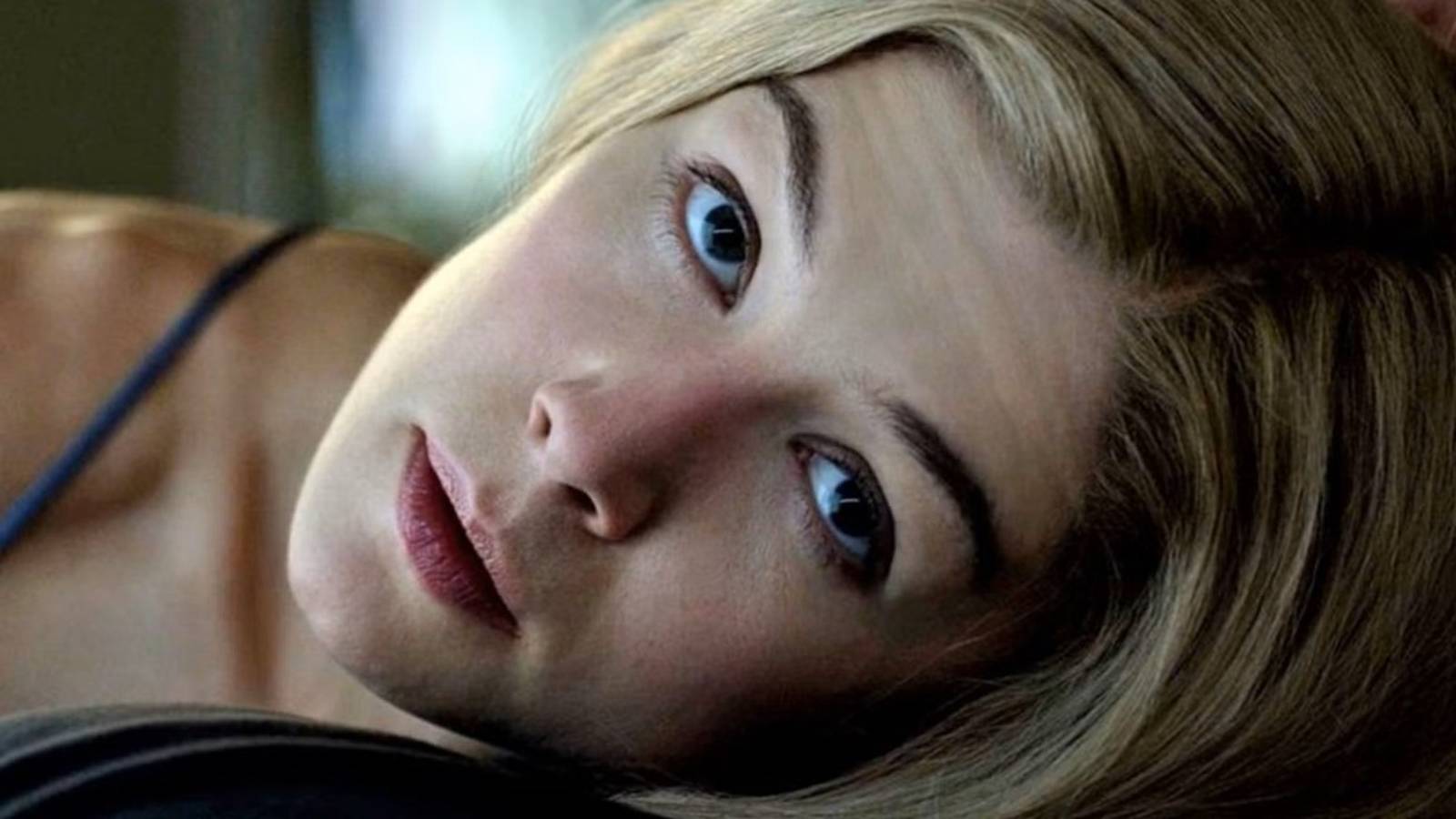
Pugh was the only actor Kazan named in her script. Known for morally complex roles in Lady Macbeth, Midsommar, and Marvel films, she brings steel and constant forward motion to Cathy, like a shark that must always be moving.
“Florence looks like a doll, but she has this steel rod inside.”
Lee's code-switching and mystery
Lee's parents were brought from China to build railroads. He spends his life as the smartest man in any room but feigns broken English to comfort white men around him. Steinbeck leaves mysterious what happens when Lee goes to San Francisco to pursue opening a bookstore.
Expanding Lee's story
Kazan brought in novelist Alexander Chee to build out scenes for Lee that Steinbeck left off the page. She originally wrote eight episodes including one exclusively following Lee in San Francisco, but Netflix greenlit seven.
Lee's invisible caretaking work
When Adam checks out psychologically, Lee raises Cal and Aron, trying to prevent the fractures and violence of the previous generation. Kazan says her experience of becoming a mother is embedded in Lee's domestic and emotional labor.
“A lot of this caretaking, doing the invisible work, my experience of becoming a mother, is embedded in Lee.”
Timshel, the power to choose
The Hebrew word timshel translates to thou mayest in the Cain and Abel story. It offers the choice to triumph over sin and frees younger generations from repeating their forebears' mistakes. This concept resonates deeply with Kazan's own family story.
Carrying both weight and possibility
Kazan hopes the story opens doors for viewers the way it did for her. She believes we must carry both the weight of our nation's and family's original sins and the idea that we are not defined by them.
“We actually have to carry both things. The weight of our original sins, and the idea that we are not defined by them.”
The bottom line
Zoe Kazan's East of Eden adaptation centers the characters her grandfather omitted, particularly the morally complex mother Cathy, while exploring how we escape the weight of family and national history.