From TechRadar · · 1m 30s
AI data centers face bill to pay for power grid upgrades
Congress passes sweeping bipartisan bill requiring large data centers to fund their own electricity infrastructure instead of passing costs to ratepayers.
In brief
Congress passes sweeping bipartisan bill requiring large data centers to fund their own electricity infrastructure instead of passing costs to ratepayers. The Ratepayer Protection Act passed Congress with overwhelming bipartisan support, requiring data centers using over one hundred megawatts to pay for new power…
Congress backs data center power bill
The Ratepayer Protection Act passed September sixteenth with four hundred seventeen votes and just three against it, with overwhelming bipartisan support.
Large data centers must pay for upgrades
The bill targets facilities with peak power demands of one hundred megawatts or more, requiring them to fund new electricity generation and grid infrastructure.
Costs stick even if projects stall
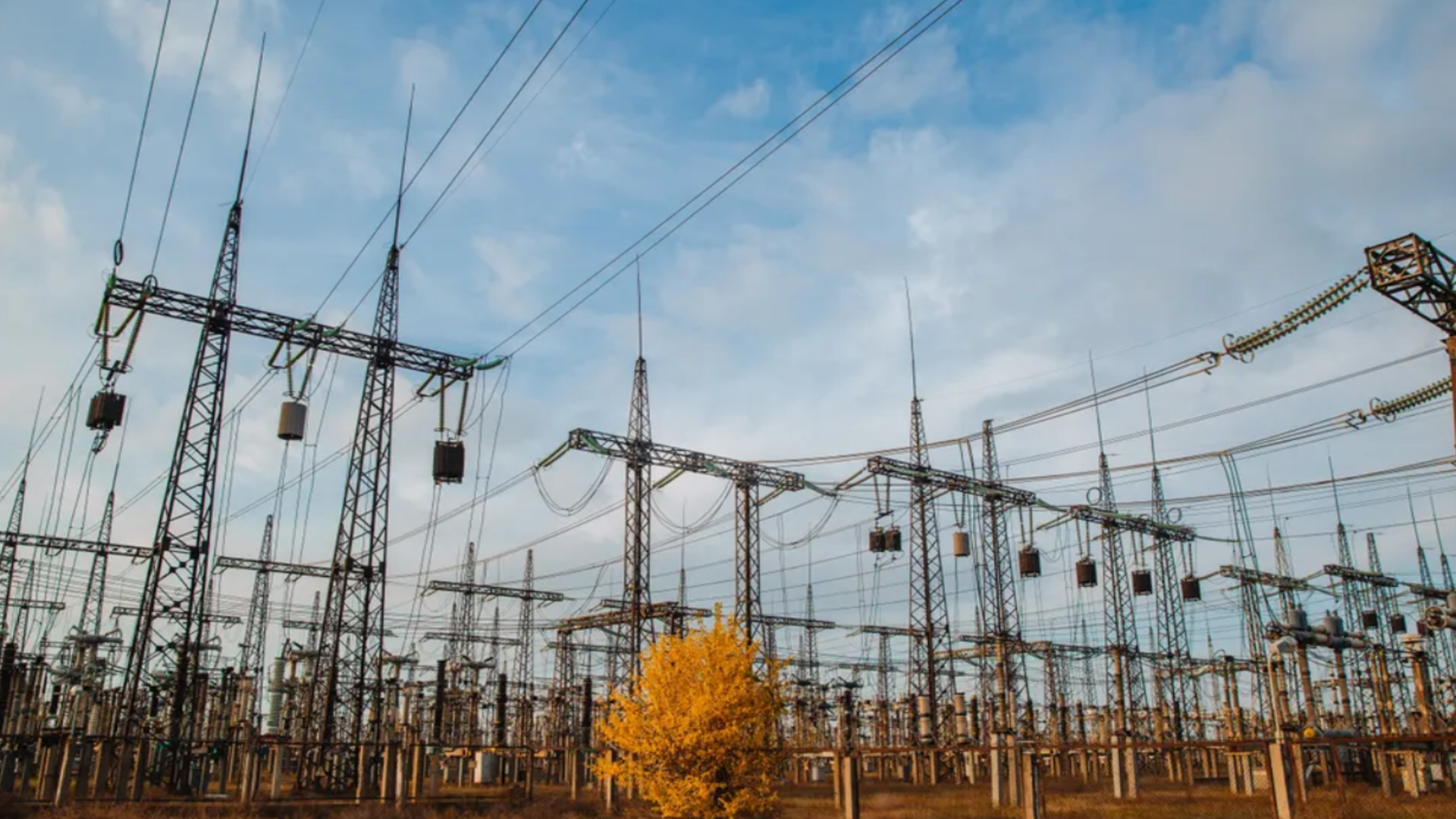
Data center operators must pay for grid upgrades regardless of whether they abandon projects or stop purchasing power from the grid.
States decide how to enforce rules
The bill won't apply uniformly across regions. State regulators must decide whether to adopt the rules on a local basis.
Pledge versus law: voluntary or mandatory
The White House's Ratepayer Protection Pledge asked hyperscalers to voluntarily fund new power resources. This bill makes it a legal requirement.
Advocates say bill leaves gaps
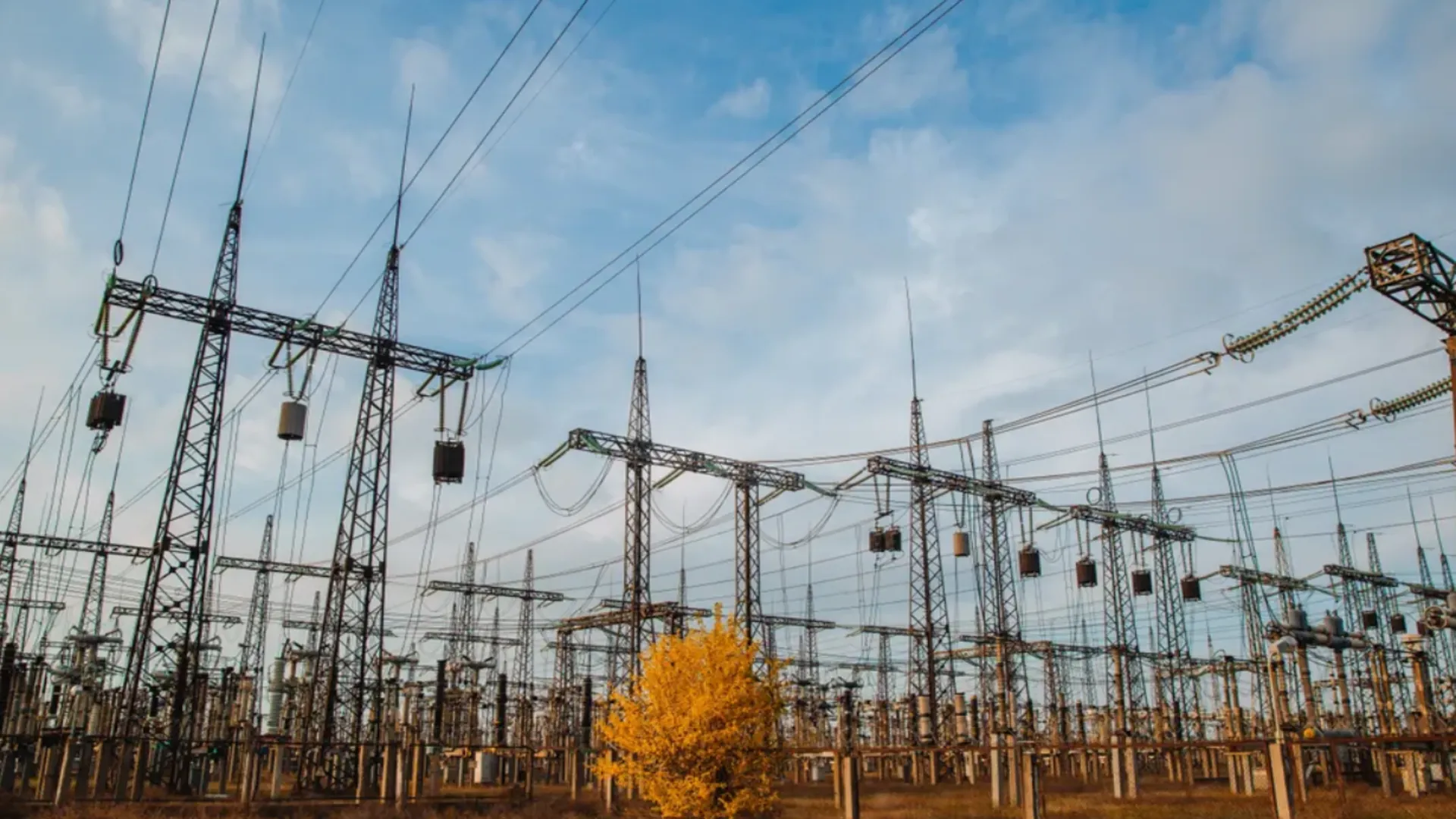
Public Citizen's Tyson Slocum says the Act doesn't address other consumer and community impacts from data centers beyond grid costs.
“While a federal mandate forcing states to consider such a step provides opportunities for advocates to press for consumer protections, there are a myriad of other consumer and community impacts from data centers unaddressed in this bill.”
Here's the gist
The Ratepayer Protection Act passed Congress with overwhelming bipartisan support, requiring data centers using over one hundred megawatts to pay for new power generation and grid infrastructure rather than shifting costs to local utility customers.





