From TechRadar · · 1m 50s
AI drug testing drives macaque prices up 700 percent
Rapid pharmaceutical research powered by artificial intelligence is straining an already tight supply of laboratory monkeys, pushing prices from $3,000 to $20,000 and prompting a plan for a 30,000-monkey breeding farm.
In brief
Rapid pharmaceutical research powered by artificial intelligence is straining an already tight supply of laboratory monkeys, pushing prices from $3,000 to $20,000 and prompting a plan for a 30,000-monkey breeding farm. AI-accelerated drug discovery is intensifying demand for laboratory macaques, driving prices up…
AI speeds up drug testing demand
Artificial intelligence enables researchers to develop potential medicines more rapidly and generate more drug candidates for testing, intensifying pressure on laboratory animal supplies.
Macaque prices have soared sevenfold
Macaques used in medical experiments cost approximately three thousand dollars in two thousand nineteen but now exceed twenty thousand dollars, with prices rising as demand accelerates.
Palantir cofounder backs breeding plan
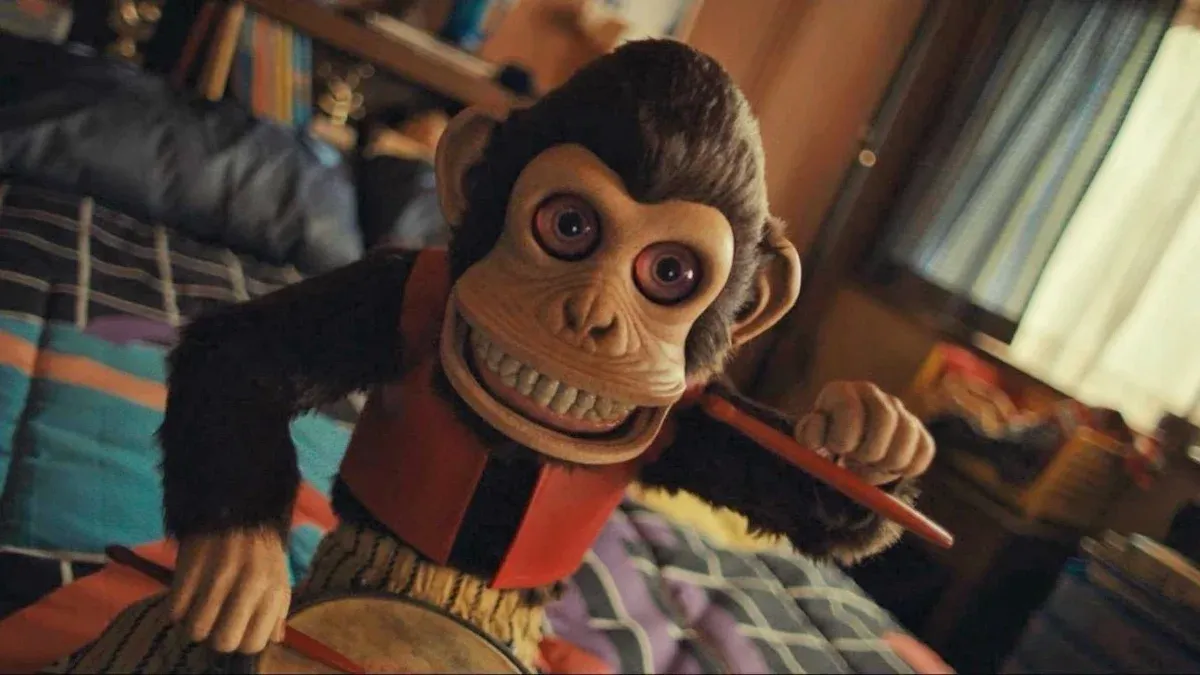
Palantir cofounder Joe Lonsdale is reportedly supporting Safer Human Medicine, a startup seeking to establish a large-scale breeding facility in the US to breed thirty thousand monkeys.
China's export ban created shortage
China, previously responsible for approximately sixty percent of America's laboratory monkey imports, prohibited exports in two thousand twenty, forcing researchers to seek alternative suppliers.
Cambodia supply proved unreliable
American laboratories turned to Cambodia after China's ban, but investigations in two thousand twenty two uncovered allegations involving wild-caught monkeys falsely represented as captive-bred animals.
Breeding expansion takes decades
Female macaques reach reproductive maturity around four years of age and typically produce one offspring annually, limiting how quickly breeding operations can increase populations to meet demand.
Animal welfare advocates oppose plan
Critics describe the proposed breeding operation as morally indefensible and have called for judicial intervention, with objections potentially leading to legal challenges that could delay construction and breeding activities.
“morally indefensible”
In short
AI-accelerated drug discovery is intensifying demand for laboratory macaques, driving prices up seven hundred percent since 2019 and prompting a startup to plan a thirty thousand monkey breeding facility in the US.