From TechRadar · · 1m 50s
BAE Systems radar hunts drones without a signal
British defense contractor develops passive radar that detects aircraft using existing TV and radio broadcasts, costing a tenth of rivals.
In brief
British defense contractor develops passive radar that detects aircraft using existing TV and radio broadcasts, costing a tenth of rivals. BAE Systems has built a radar system that tracks aircraft and drones by using existing TV and radio signals instead of transmitting its own, making it cheaper and harder to detect…
New radar needs no signal of its own
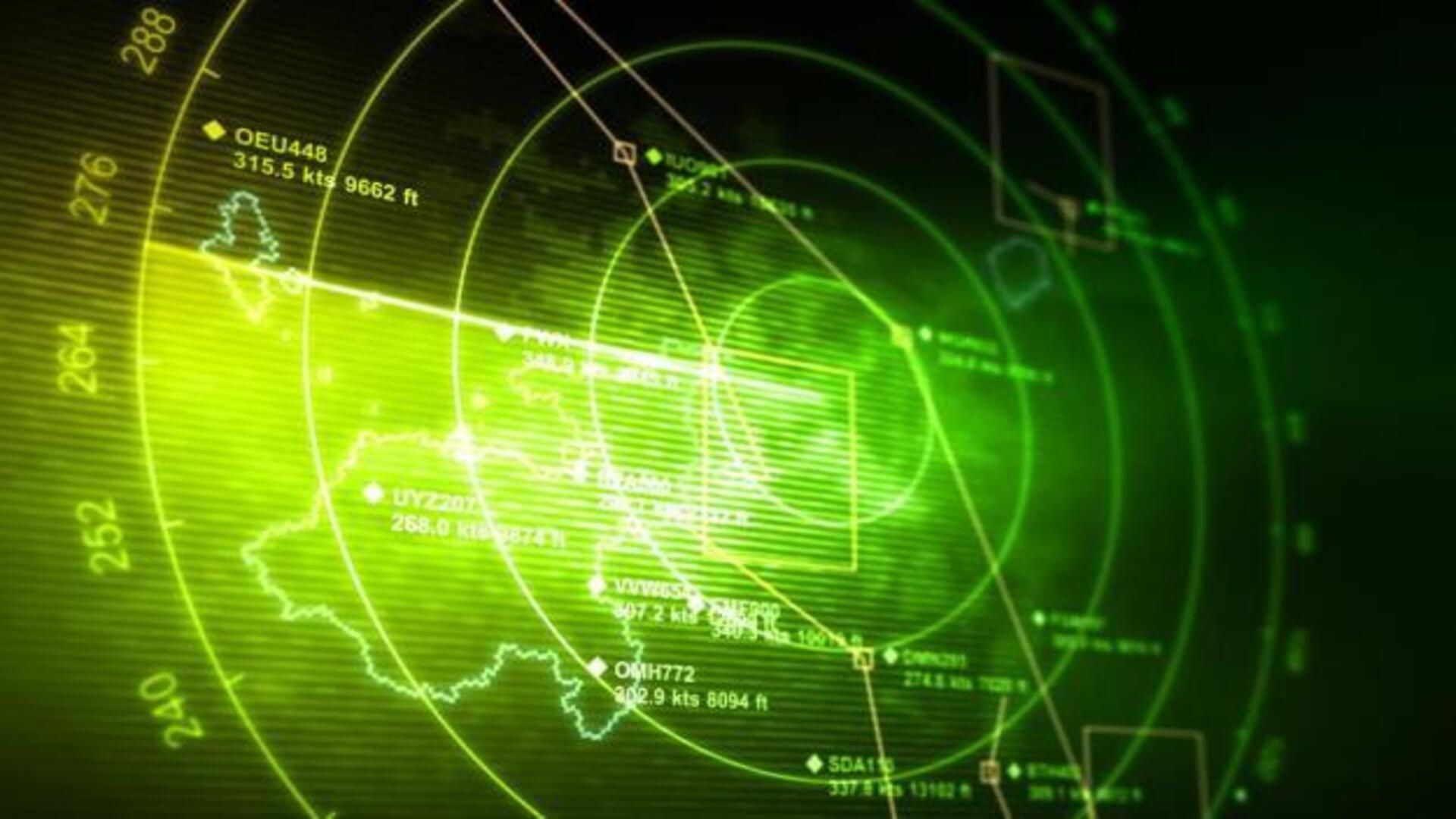
BAE Systems has developed radar that detects aircraft and drones without transmitting signals that could expose its location to adversaries. It monitors airspace while evading conventional radio frequency detection.
It piggybacks on TV and radio broadcasts
The system uses existing transmissions from digital television, radio stations, and mobile networks to identify aircraft movements. No additional transmissions are needed, leaving fewer opportunities for adversaries to detect it.
It costs up to ten times less than rivals
BAE Systems claims its development costs up to ten times less than several competing passive radar products currently available. The equipment is compact enough to fit inside sport utility vehicles for mobile deployment.
It tracks drones and aircraft in three dimensions
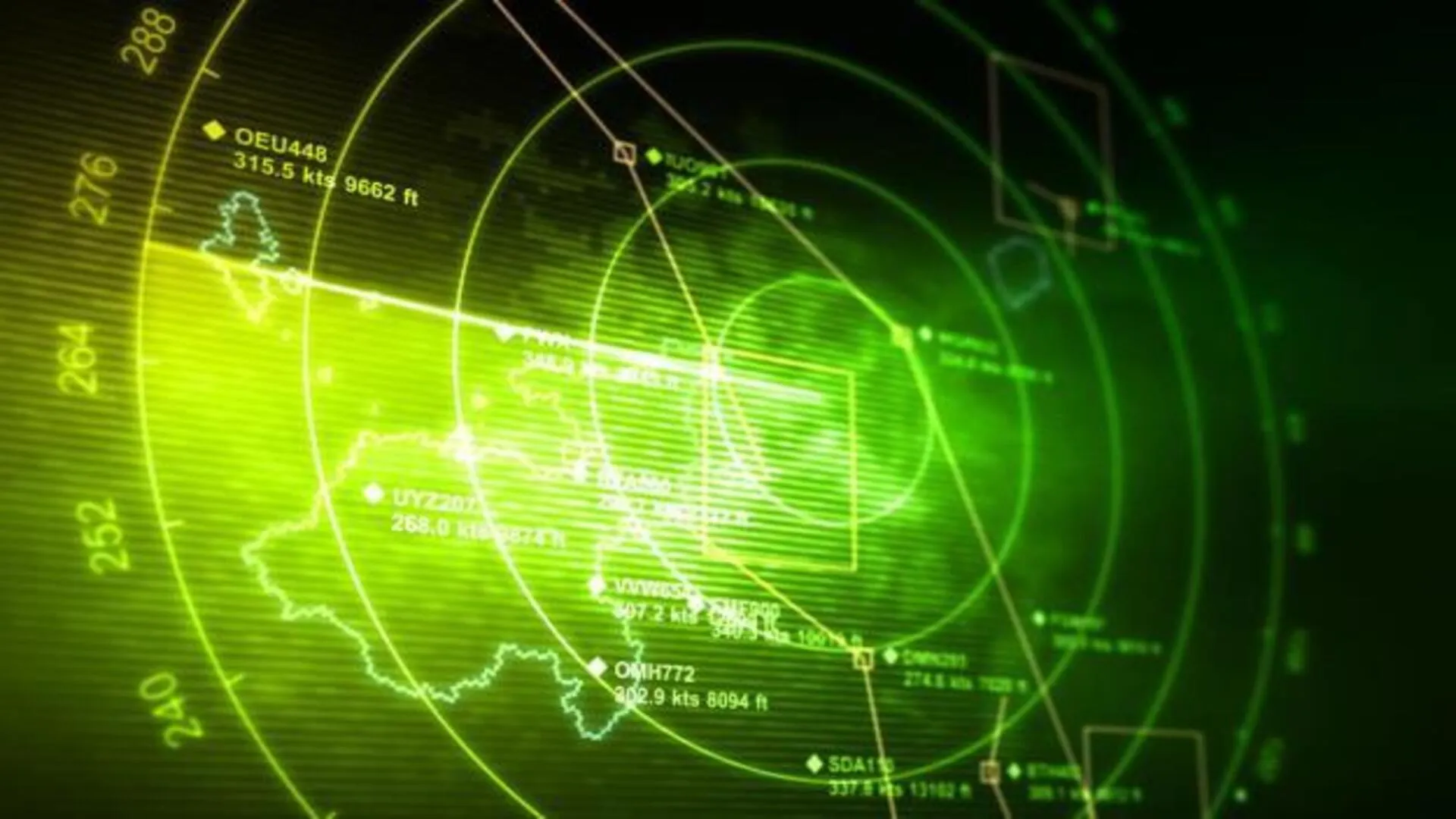
The system can identify and follow different airborne objects from small drones to larger aircraft. It provides distance, altitude, direction of travel, and speed to support surveillance and threat assessment decisions.
Military and civilian uses both planned
The technology was initially developed for military applications but BAE Systems identifies civilian security uses too. Police, armed forces, and critical infrastructure facilities could all deploy it for protection.
“We're harnessing the signals that all of us use already in our day to day lives to give police and armed forces the ability to protect us far more cheaply and safely.”
Operational trials start in 2027
BAE Systems plans to conduct operational trials throughout 2027 with organizations working across law enforcement, military defense, and critical infrastructure protection. The company has not yet disclosed detailed performance measurements or detection ranges.
The one thing
BAE Systems has built a radar system that tracks aircraft and drones by using existing TV and radio signals instead of transmitting its own, making it cheaper and harder to detect than conventional radar.
Read the TL;DR — this story on one card.