From TechRadar · · 1m 30s
Chinese scientists crack 100x memory durability breakthrough
Researchers solve the nitrogen vacancy problem that was limiting memory chip lifespan to 100 million cycles.
In brief
Researchers solve the nitrogen vacancy problem that was limiting memory chip lifespan to 100 million cycles. A new structural design minimizes nitrogen defects in ferroelectric memory, enabling 10 billion write cycles instead of 100 million, making durable AI memory chips feasible. Originally reported by TechRadar.
Chinese scientists hit memory milestone
Researchers from Xidian University, City University of Hong Kong, and Fudan University demonstrated 10 billion writing cycles in ferroelectric memory, 100 times better than previous limits.
The holy grail of memory design
Creating fast, dense, low-power memory with high capacity has long been computing's biggest challenge. Wurtzite ferroelectrics like aluminium scandium nitride offer speed and low energy, but reliability was the problem.
The nitrogen vacancy mystery
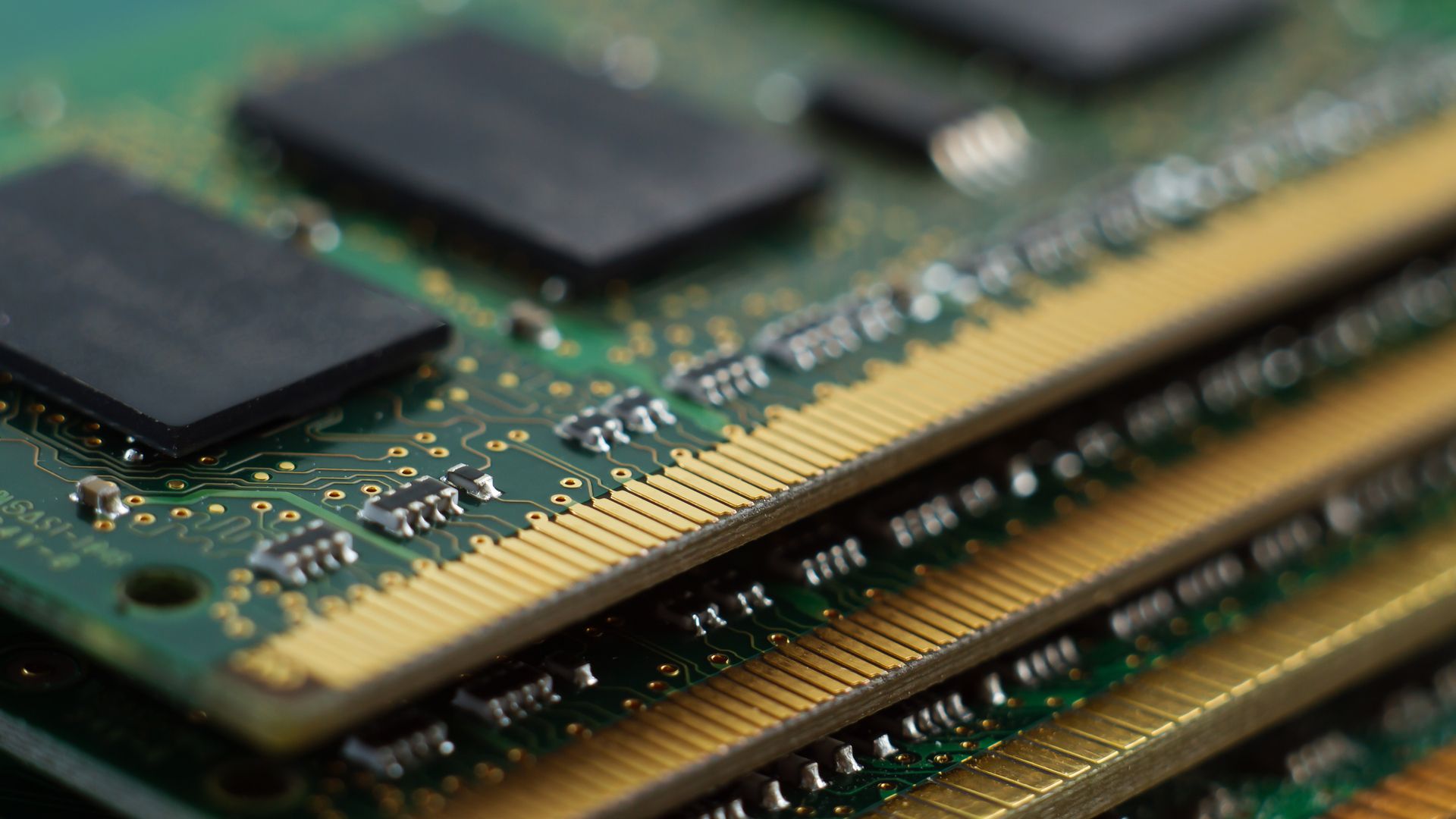
Previous AlScN chips failed after around 100 million cycles. Researchers discovered the culprit: missing nitrogen atoms that would move and group together during switching, creating electrical leakage pathways.
“Think of ferroelectric material as a neatly planted cornfield, with nitrogen vacancies representing spots where seedlings are missing.”
Understanding failure at atomic scale
Wang Ruiqing, a doctoral researcher at Xidian University, explained that previous teams knew devices failed but couldn't explain what was moving at the atomic level and why it caused failure.
“In the past, researchers knew that the devices failed and could observe some of the symptoms, but no one had been able to explain at the atomic scale what was moving.”
New design minimizes defects
The team designed a new structure that minimizes nitrogen vacancies, slowing material deterioration and enabling chips to survive 10 billion write cycles instead of 100 million.
Future AI infrastructure gets boost
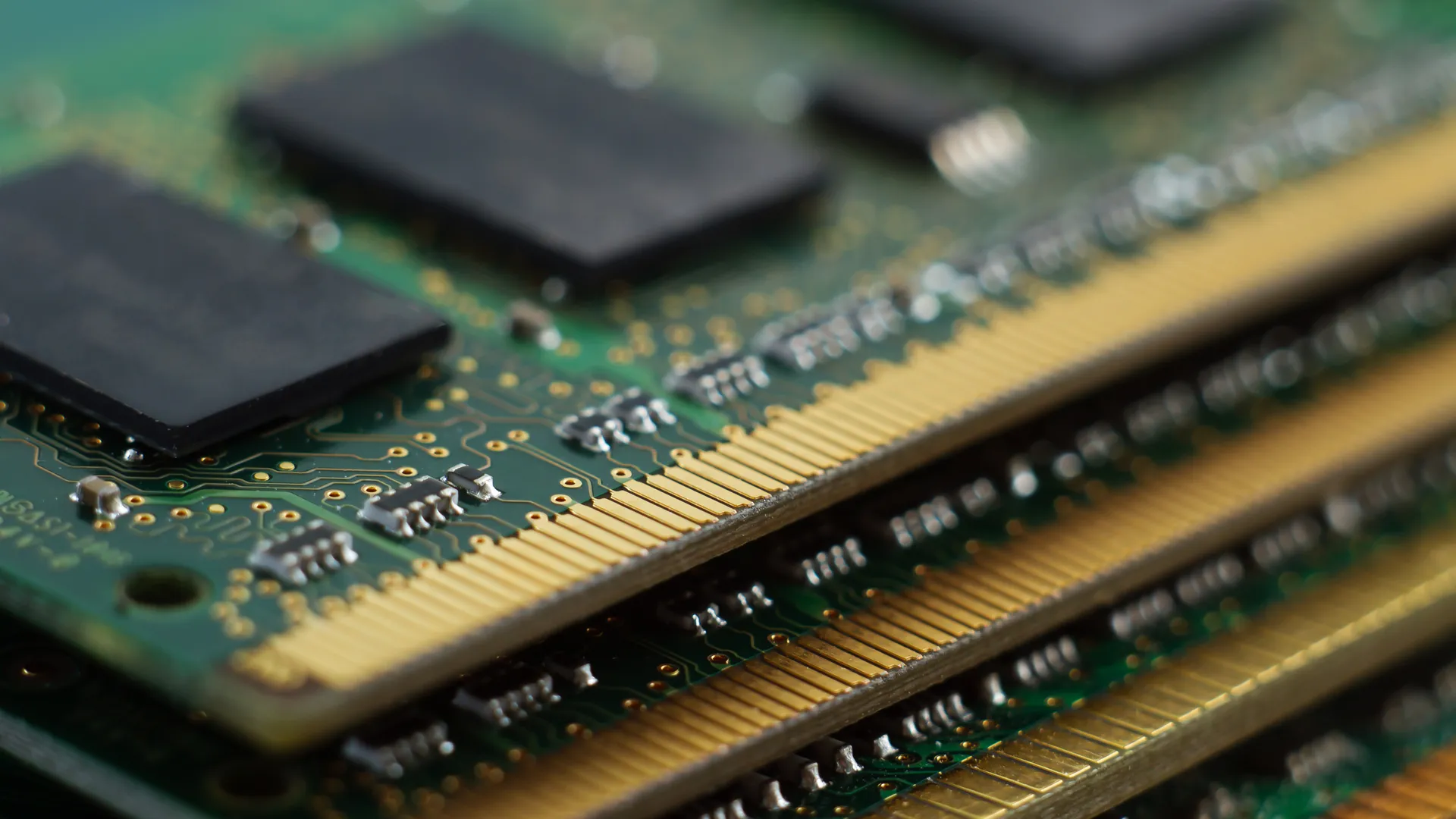
If successful, AlScN-based RAM and storage could power future server farms and support widespread adoption of large language models and AI systems that demand faster, more durable memory.
What matters most
A new structural design minimizes nitrogen defects in ferroelectric memory, enabling 10 billion write cycles instead of 100 million, making durable AI memory chips feasible.





