From TechRadar · · 3m
Google energy chief: space data centers cost 100x more
Amanda Peterson Corio says orbital compute is far too expensive, undercutting SpaceX's plans and raising questions about a bet Alphabet itself has backed.
In brief
Amanda Peterson Corio says orbital compute is far too expensive, undercutting SpaceX's plans and raising questions about a bet Alphabet itself has backed. Google's data center energy chief said space-based data centers could cost up to one hundred times more than Earth-based ones, challenging the viability of orbital…
Google's energy chief questions space data centers
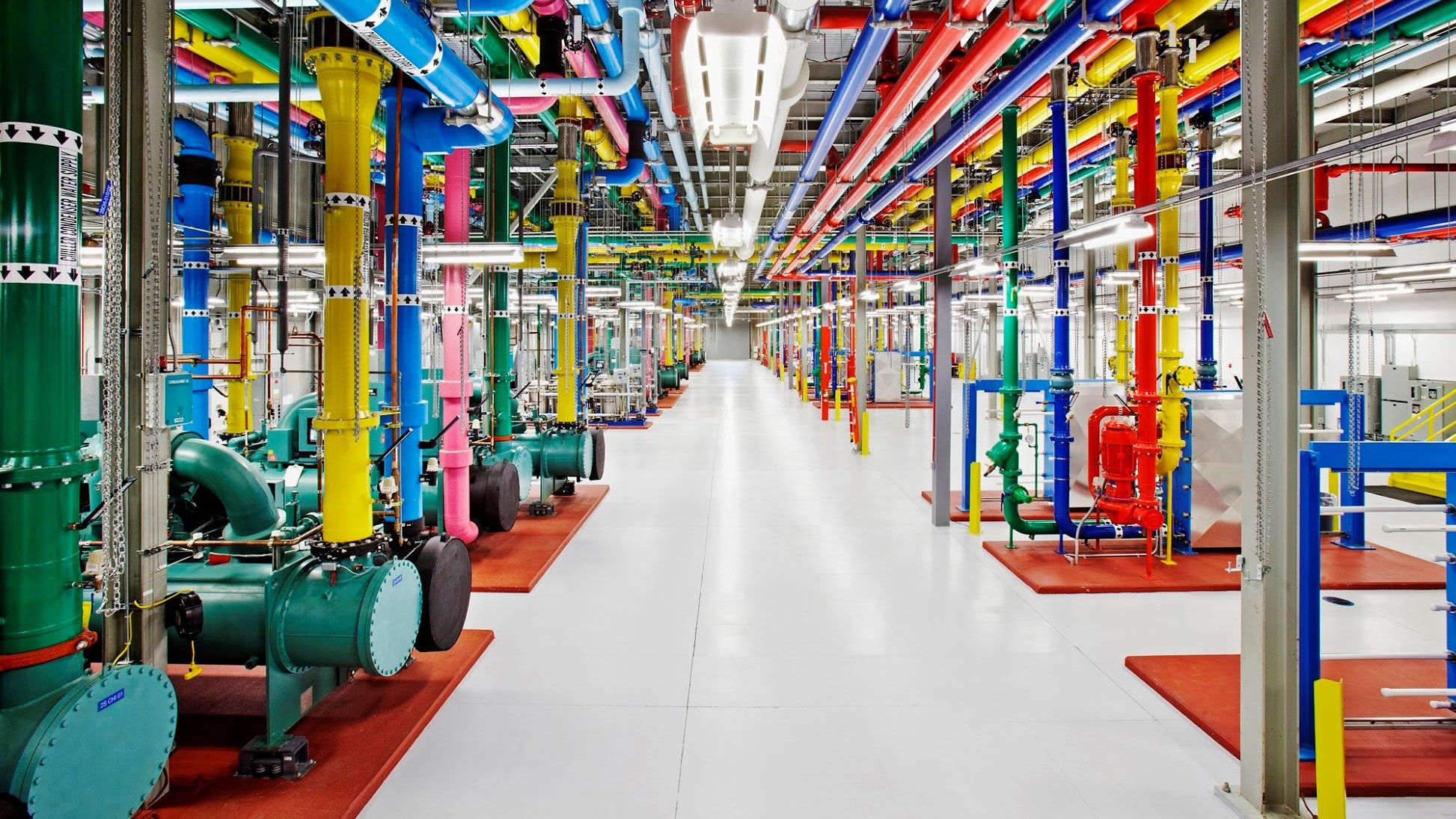
Amanda Peterson Corio, Google's global head of data center energy, said data centers in space could cost up to one hundred times as much as those built on the ground.
Corio's advice: explore Earth first
Speaking at The Information's WTF Summit in Napa Valley, Corio advised the industry to explore all terrestrial options before going extraterrestrial.
“Let's explore all the terrestrial options before we go extraterrestrial.”
Google tests space hardware anyway
Google's Project Suncatcher prototype, built with satellite operator Planet, launched on SpaceX's Transporter-eighteen rideshare mission on October first.
Suncatcher runs AI model in orbit
Google announced its Hello World milestone: an onboard Gemma four model running on a TPU wrote a short haiku about being in space, downlinked over Svalbard, Norway.
The scale problem is enormous
The satellite carries four TPUs but generates only about one kilowatt of solar power, running just one chip at a time for roughly twenty minutes per session.
Google itself calls it a moonshot
Google described Suncatcher as a moonshot since its unveiling a year ago. Project lead Travis Beals told NPR he did not expect orbital compute to become cheaper than terrestrial within the next five years.
Wall Street does the math

Short seller Jim Chanos read Corio's statement as five trillion dollars per gigawatt of compute. He posted that the gap between her view and SpaceX management estimates should give pause to anyone modeling this business.
Payback period stretches to a century
TIKR examined recent claims: SpaceX's CFO said new compute pays for itself in under a year at current rental rates.
SpaceX's orbital bet is huge
Orbital compute underpins part of SpaceX's roughly one point eight trillion dollar market value. The company asked the FCC for permission to launch up to a million data-center satellites.
Skeptics include OpenAI's Altman
OpenAI's Sam Altman called orbital compute ridiculous under current conditions earlier this year. Corio is hardly the first skeptic of the idea.
Google owns a stake in SpaceX
Alphabet is one of SpaceX's largest outside shareholders, with a stake disclosed at six point one one percent at the end of twenty twenty-five.
The real bottleneck is permitting
Corio said the US has enough power and the real bottlenecks are permitting and grid interconnection studies.
Orbit does not escape the permit queue
SpaceX's million-satellite request and Blue Origin's fifty-one thousand six hundred-satellite Project Sunrise both need FCC approval. If permission is the bottleneck, orbit's main selling point is jumping that queue at a very expensive cost.
What it means
Google's data center energy chief said space-based data centers could cost up to one hundred times more than Earth-based ones, challenging the viability of orbital compute ventures SpaceX is pursuing.