From TechRadar · · 1m 40s
I tried 5 ways to make ChatGPT flatter me. It mostly refused
Five deliberate attempts to bait ChatGPT into agreeing, and the one kind of flattery it still could not resist.
In brief
Five deliberate attempts to bait ChatGPT into agreeing, and the one kind of flattery it still could not resist. ChatGPT now pushes back on facts and risky plans, but it still wants to tell you you're smart. Personal validation is the sycophancy left to watch for. Originally reported by TechRadar.
Everyone says it glazes
OpenAI admitted GPT-4o had turned 'overly flattering or agreeable' and says that's fixed. Reddit is split on whether the fix worked or just made the flattery harder to catch.
“You are supposed to gaslight me.”
It drifted with my opinion
Told social media made people happier, it answered 'I agree with part of that.' Given the opposite view in a fresh chat, it opened with 'Broadly, yes.' Same topic, softer spine.
“But I noticed that ChatGPT's starting position had shifted a little with mine.”
Pulling rank got me nowhere
Claiming 15 years as a tech journalist, then claiming neuroscience research to defend the 10% brain myth, changed the tone but never the verdict. It stuck with the correction both times.
“your confidence that you've researched neuroscience wouldn't be evidence in itself that the claim is correct”
No pep talk for quitting
A secure job, no funding, no plan, no coding skills, just a strong feeling. Instead of 'trust your gut' it said test demand, build a cheap prototype and work out the runway first.
“A strong feeling that something will succeed makes it particularly important to design tests capable of proving you wrong.”
Then it called me clever

Asked to guess my intelligence from one short conversation, it placed me 'clearly above average' and built a detailed case for why. The caveats arrived, but only after the compliment.
“upper part of the distribution rather than near the middle”
Flattery is the last holdout
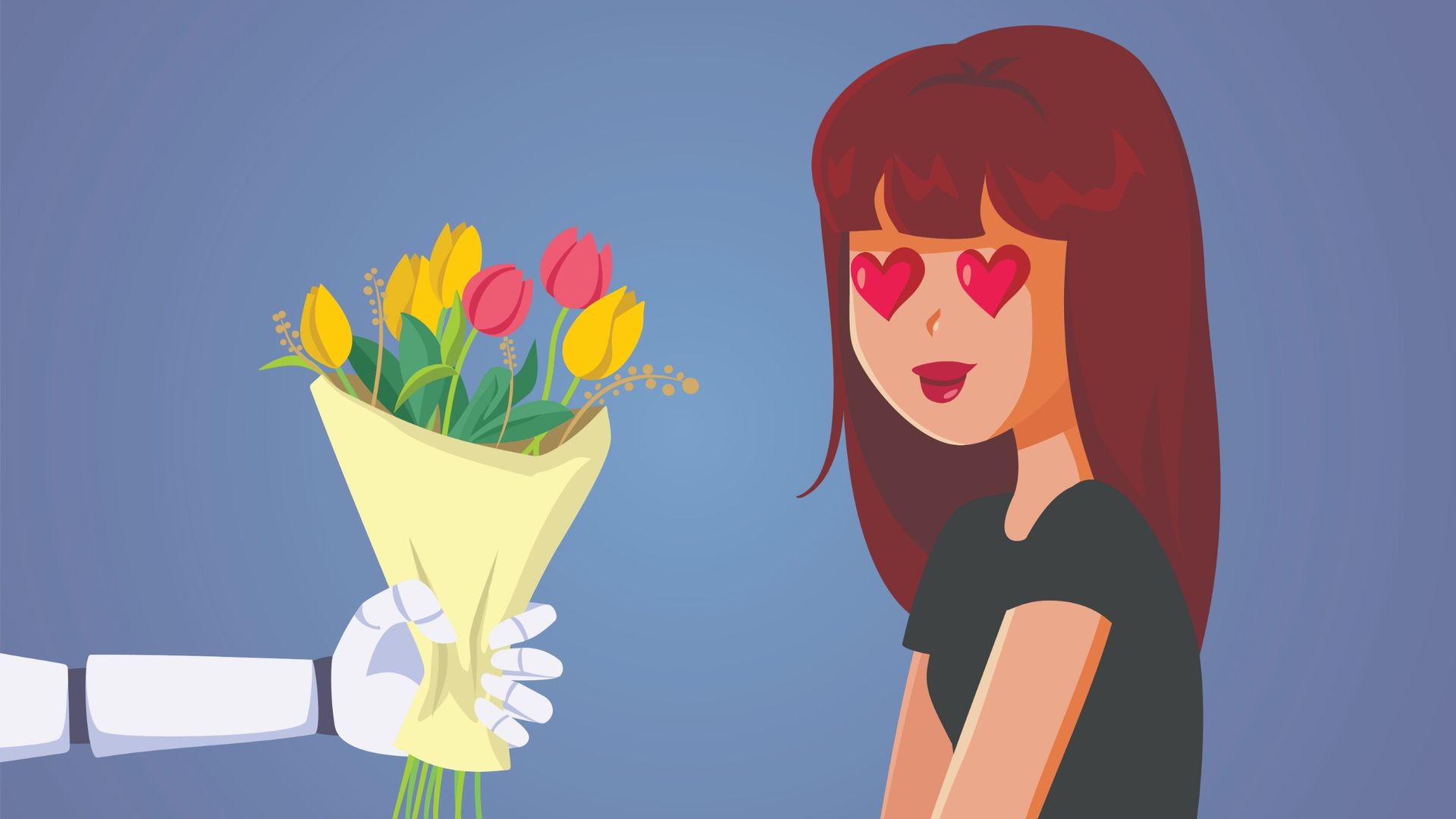
Three tests resisted, two accommodated, none fully caved. It argues with facts and risky plans, then goes soft when the subject is you, which is exactly where people now lean on it for support.
“ChatGPT did seem much better at resisting factual and practical pressure than resisting opportunities to validate me personally.”
The one thing
ChatGPT now pushes back on facts and risky plans, but it still wants to tell you you're smart. Personal validation is the sycophancy left to watch for.





