From TechRadar · · 1m 40s
Lockheed's cheaper combat drone targets 2027 flight
After losing an earlier competition, Lockheed Martin is redesigning its Vectis stealth drone to cost less while keeping it combat-capable.
In brief
After losing an earlier competition, Lockheed Martin is redesigning its Vectis stealth drone to cost less while keeping it combat-capable. Lockheed is betting that simplifying Vectis's design and using cheaper manufacturing methods like 3D printing can win the Air Force's next drone contract, but the final…
Lockheed's new stealth drone revealed
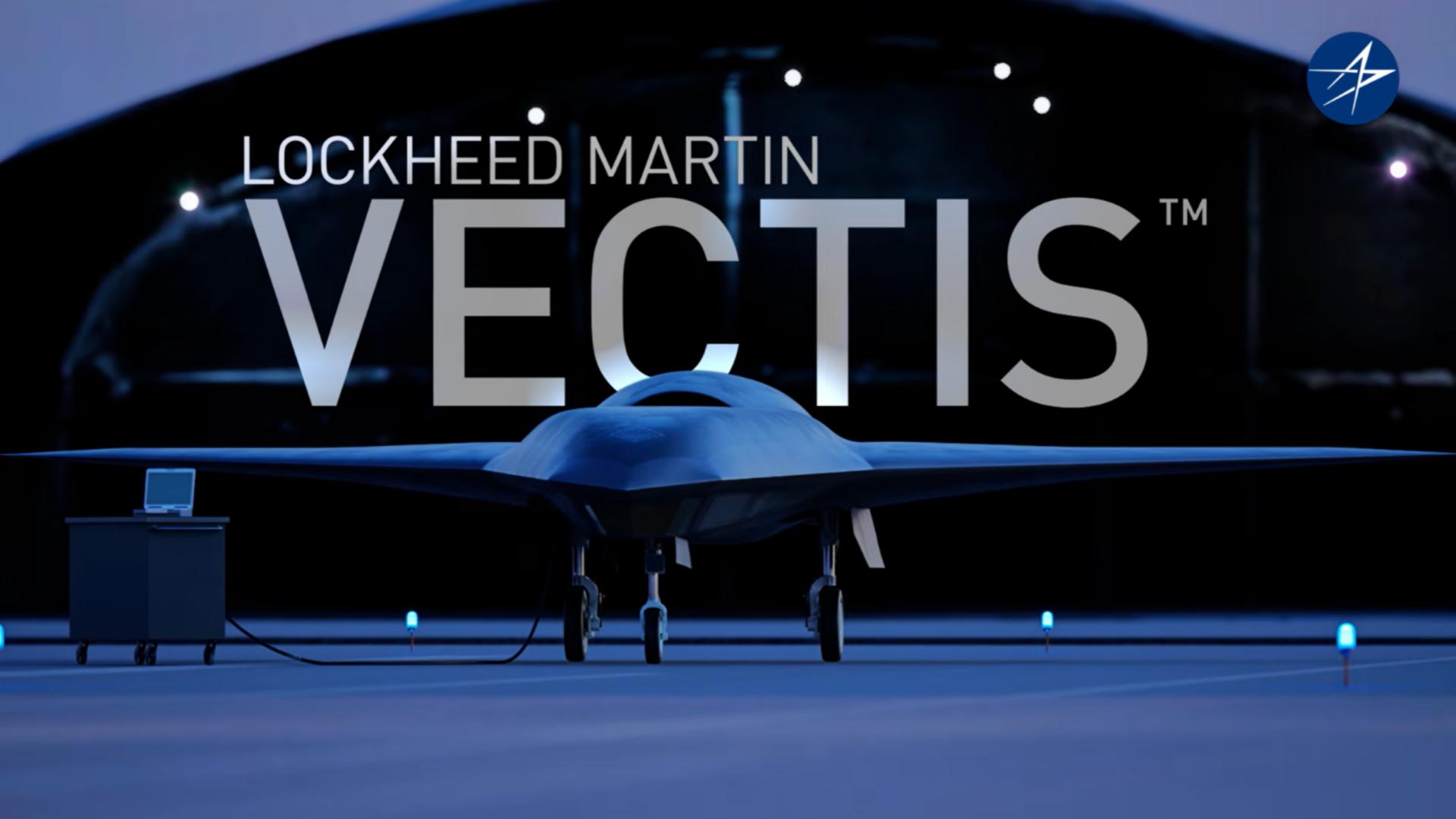
Lockheed Martin released promotional footage of Vectis, a stealth combat aircraft designed to fly autonomous missions alongside crewed fighters like the F-35.
First prototype flies in 2027
Lockheed expects the first Vectis prototype to take flight in 2027, with four additional aircraft entering development and testing.
Hidden weapons, stealthy design
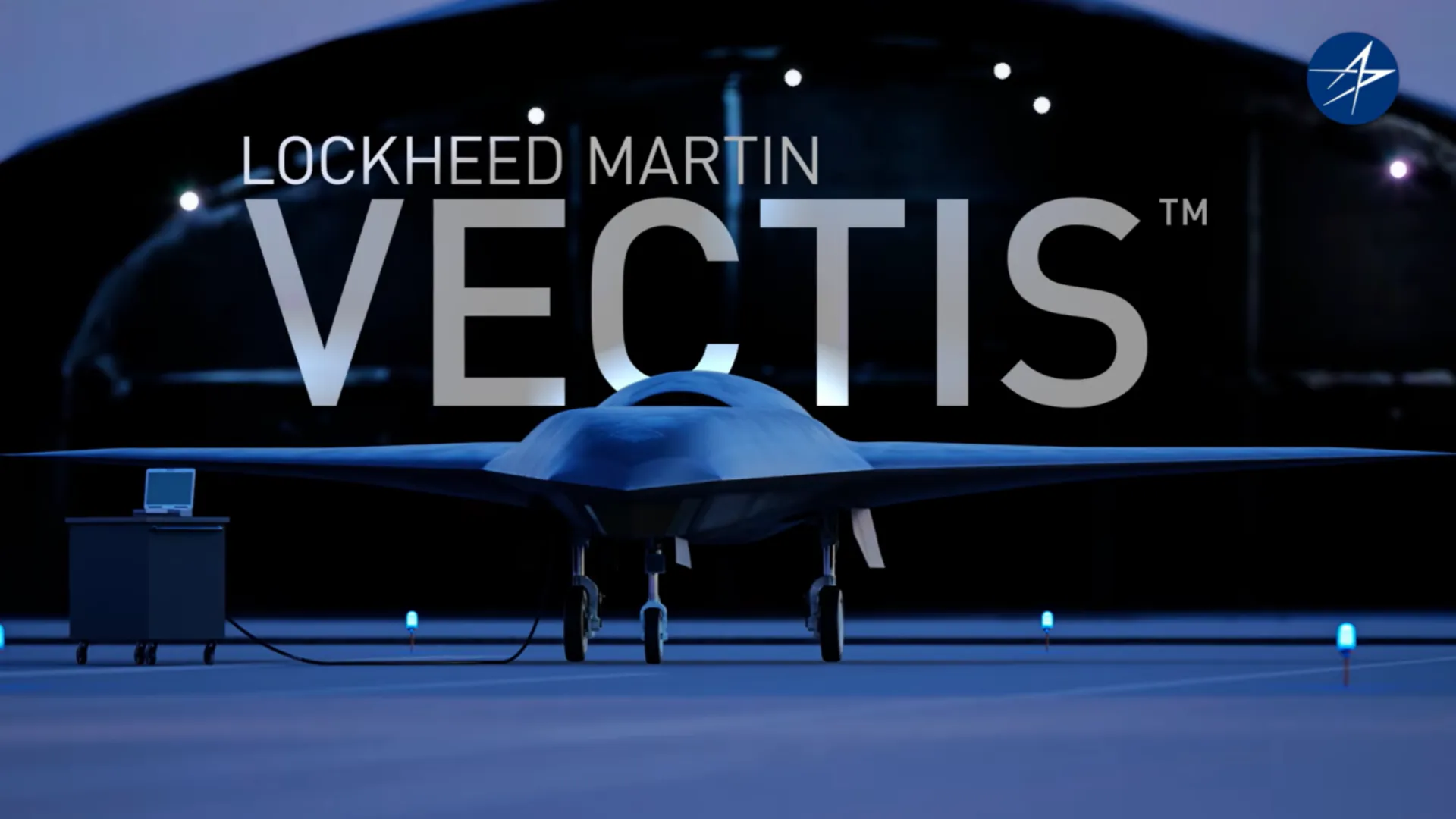
The drone carries AIM-120 missiles and GBU-53 Small Diameter Bomb IIs inside internal compartments rather than on external pylons, protecting its stealth signature.
Smaller and simpler than before
The full-scale mock-up measures 34 feet long with a 38-foot wingspan. Lockheed reduced complexity and cost after losing the earlier Increment 1 competition to rivals Anduril and General Atomics.
Affordability is the new focus
Lockheed claims Vectis is survivable, affordable, and adaptable, but hasn't disclosed its projected cost. The company says it's engineered for affordability and built for survivability.
“Engineered for affordability and built for survivability, it delivers the flexibility today's operational environment demands.”
Cheaper methods, uncertain specs
Lower costs could involve simpler stealth features, shorter-lived engines, and 3D printing manufacturing. But the Air Force's final Increment 2 requirements remain under development.
Cost versus capability still unclear
The Air Force must balance affordability against survivability and performance. A more demanding combat role could require expensive propulsion and advanced avionics that conflict with cost goals.
The essence
Lockheed is betting that simplifying Vectis's design and using cheaper manufacturing methods like 3D printing can win the Air Force's next drone contract, but the final cost-versus-capability balance remains unclear.





