From TechRadar · · 1m 40s
Solar panels that work 10 meters underwater
Chinese scientists have created underwater solar panels using perovskite technology that could power autonomous marine devices for years.
In brief
Chinese scientists have created underwater solar panels using perovskite technology that could power autonomous marine devices for years. Underwater solar panels can now function at depths up to 10 meters, opening new possibilities for powering long-term underwater equipment without human intervention. Originally…
Solar panels work 10 meters deep
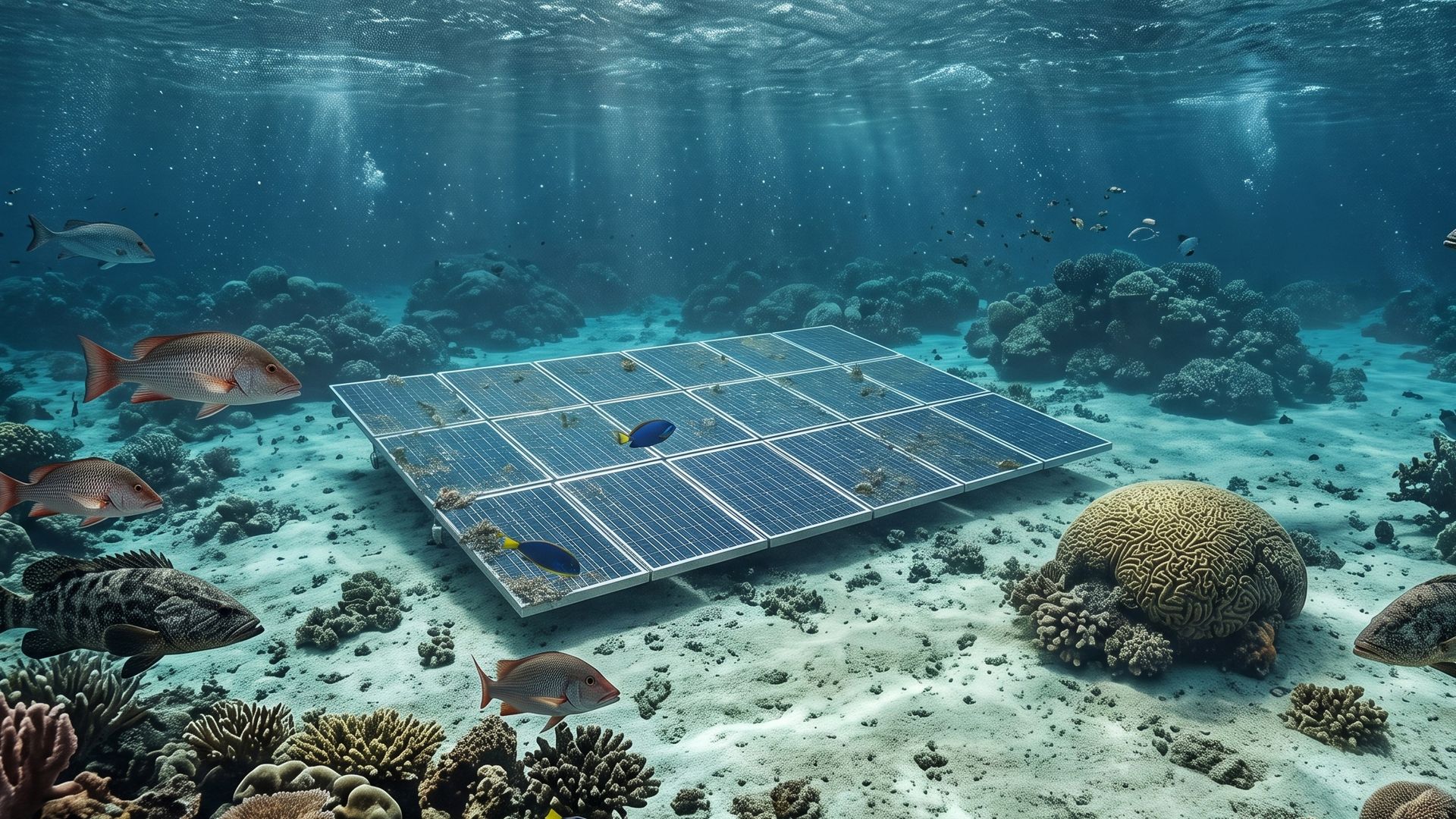
Chinese scientists from Yunnan University developed solar panels that function at depths up to 10 meters underwater, a major breakthrough for powering submerged equipment.
Perovskite material makes it possible
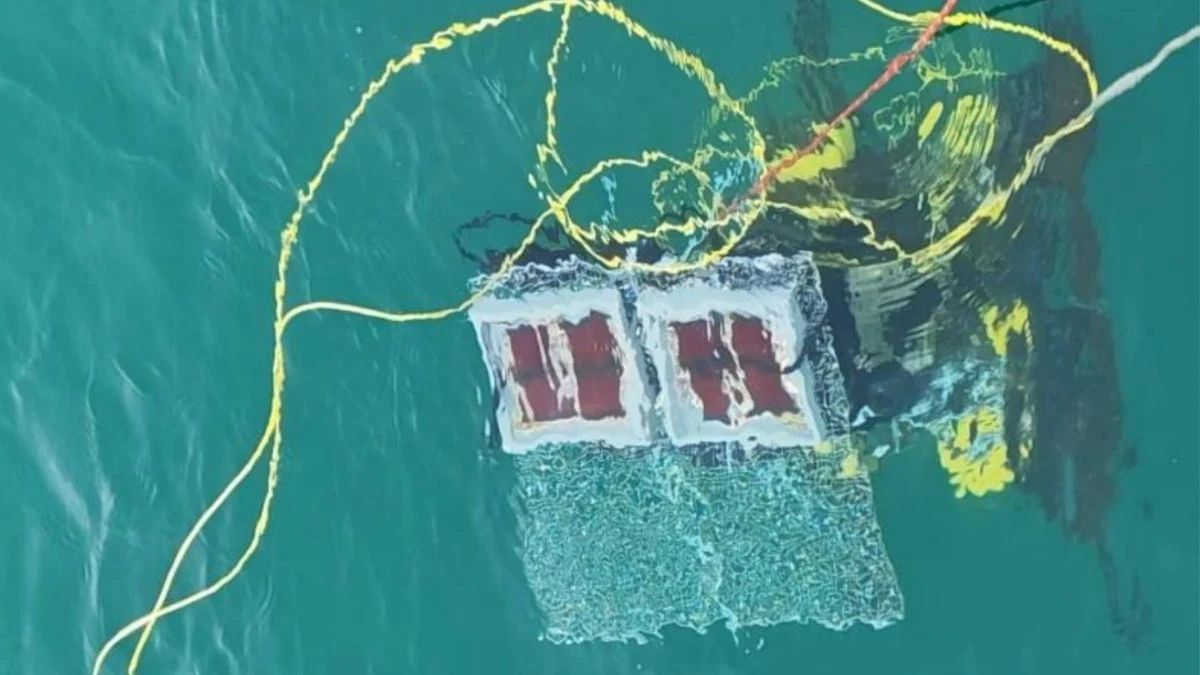
The panels use lead halide perovskite with an added polymer called polyhexamethylene guanidine hydrochloride to enhance effectiveness and durability underwater.
Energy output decreases with depth
At 2 meters depth, panels captured 1,416 mWh. This dropped to 752 mWh at 6 meters and 324 mWh at 10 meters, with lab tests showing 35% power conversion efficiency.
Charges batteries in just two hours
Solar cells placed 10 meters below the surface in the South China Sea collected enough energy to fully charge lithium-ion batteries in two hours.
Each panel lasts five and a half years
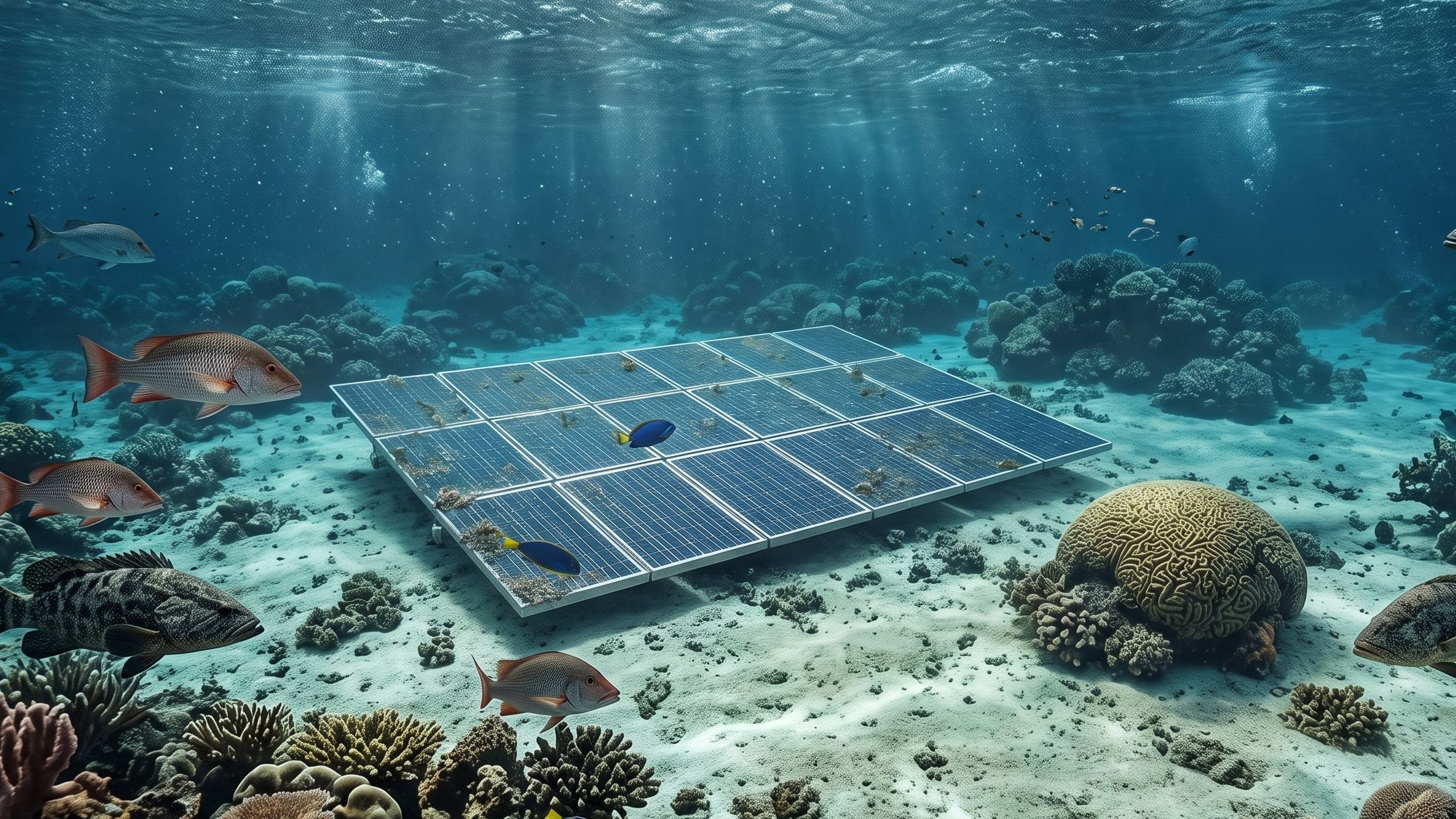
Researchers expect each underwater solar cell device to remain functional for approximately five and a half years before needing replacement.
Powers sensors and underwater devices
The panels could power underwater sensors, cameras, communications systems, and autonomous devices that need to operate for extended periods without human intervention.
Biofouling could require maintenance
A remaining challenge is biofouling, where algae and organisms accumulate on panels and reduce efficiency, potentially requiring regular underwater cleaning to maintain performance.
Opens door to marine energy systems
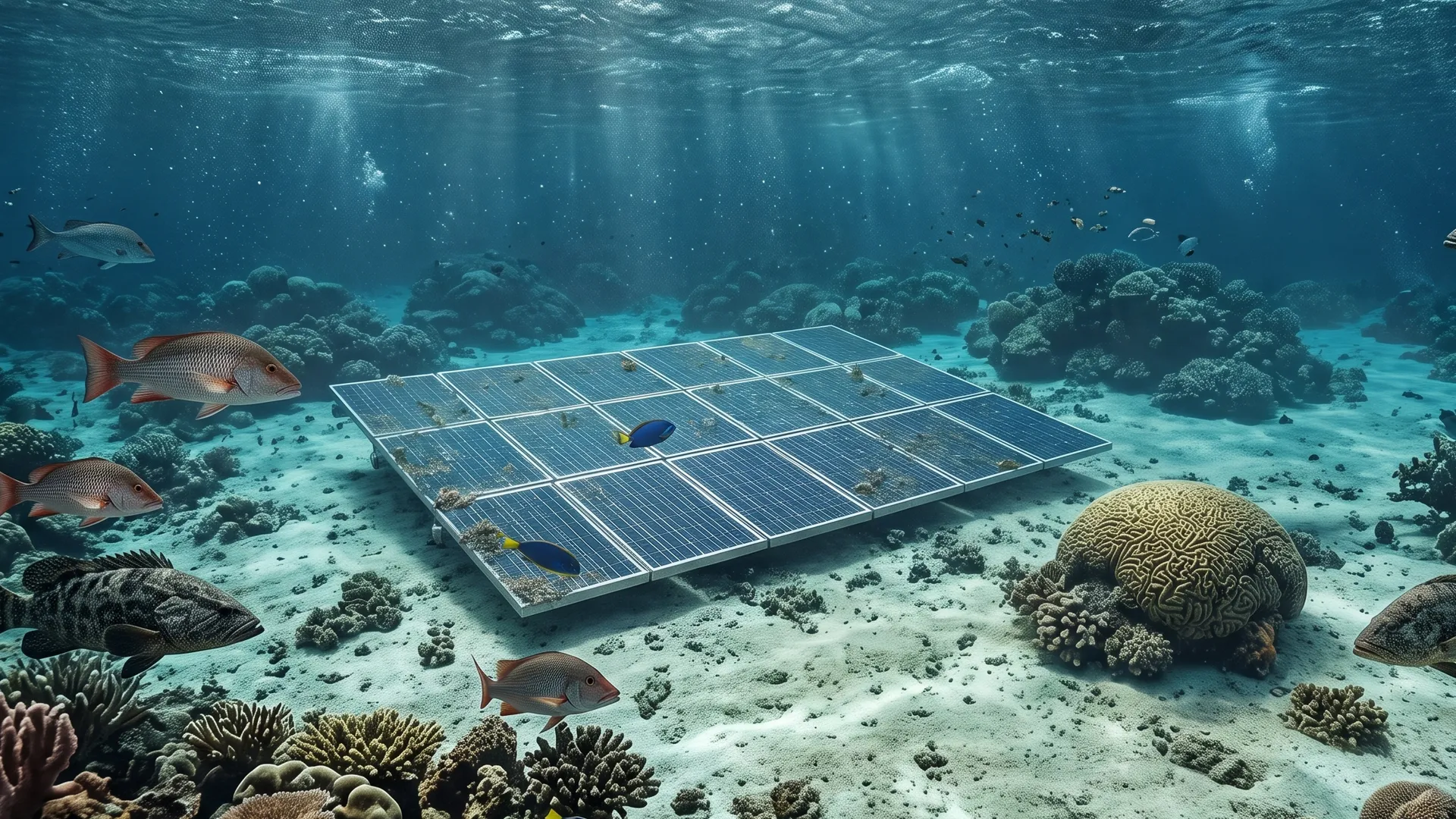
This breakthrough paves the way for self-sustained marine energy systems and autonomous underwater devices, greatly expanding the scope of underwater technology applications.
“This work paves the way for the practical deployment of perovskite photovoltaics in underwater environments, offering a promising route toward self-sustained marine energy systems and autonomous underwater devices.”
The short version
Underwater solar panels can now function at depths up to 10 meters, opening new possibilities for powering long-term underwater equipment without human intervention.





