From TechRadar · · 3m
UK plans to add Netflix and YouTube to BBC license fee
The government wants to extend the annual £180 TV license to cover streaming platforms, closing a loophole that lets viewers avoid paying.
In brief
The government wants to extend the annual £180 TV license to cover streaming platforms, closing a loophole that lets viewers avoid paying. The UK government proposes extending the BBC's annual one hundred eighty pound license fee to streaming platforms like Netflix and YouTube to stop viewers dodging the charge…
Government extends BBC fee to streaming
The UK government proposes extending the annual one hundred eighty pound TV license fee to include Netflix, Disney+, YouTube and other streaming platforms.
Who pays and who is exempt
The one hundred eighty pound annual fee is free for over seventy-fives and discounted for visually impaired viewers. Currently, UK residents must pay if they watch live broadcasting and on-demand content on television.
Changes announced before Christmas
The BBC charter renewal will be released before Christmas, which will highlight the government's proposed changes to the current funding model in further detail.
The loophole being closed
Some households currently avoid paying the license fee by watching content on mobile devices and computers instead of televisions. The proposal would close this by requiring payment to stream on TV.
Why the government is acting
A Whitehall source said the idea was put forward because people are able to use digital platforms to avoid paying.
“It's not fair that people are essentially able to watch television content but avoid the licence fee.”
BBC losing viewers and revenue
The BBC saw five hundred thirty-nine thousand fewer TV licences in force in the year to thirty-first March twenty twenty-six. Over the past five years, the BBC lost two million licenses.
BBC calls model outdated
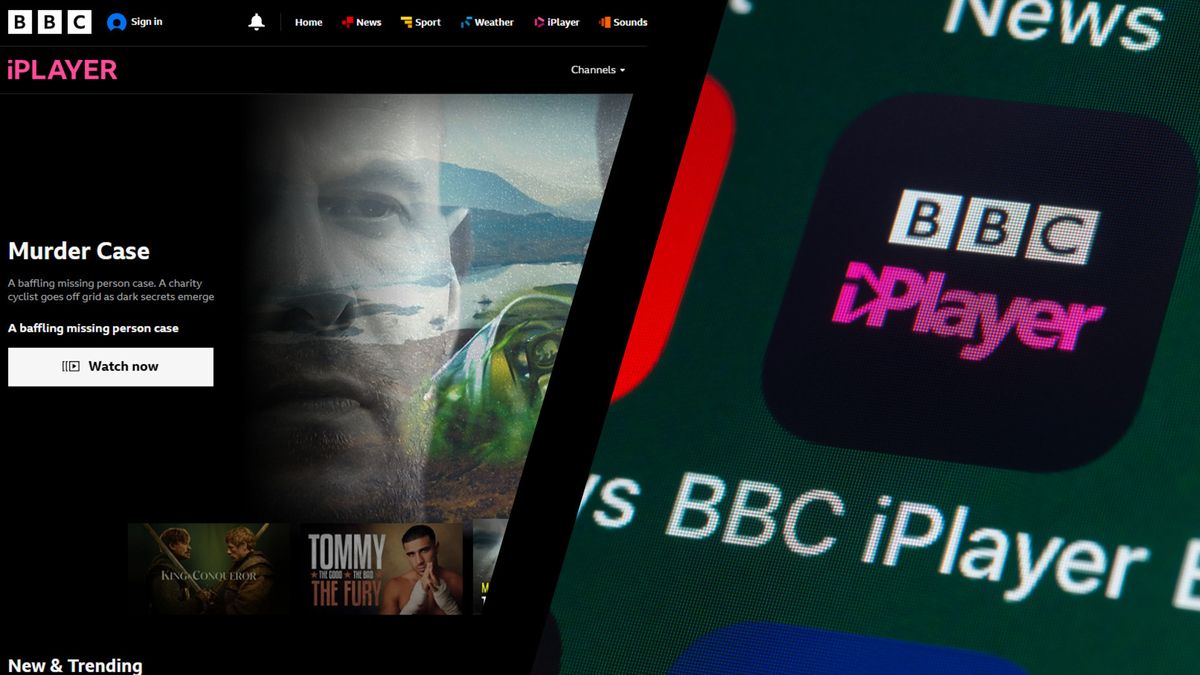
A BBC spokesperson said the current funding model is outdated and needs reform. The BBC will continue to engage with government to secure a new charter providing sustainable, sufficient and universal funding.
“We have consistently argued that the current funding model is outdated and needs reform.”
What the money funds
Licensing fee revenue funds BBC programming including drama shows and broadcasting. The government also says funding local journalism is a priority, and the money will help combat misinformation and fake news.
Fee amount unchanged so far
The license fee remains at one hundred eighty pounds per year. Neither the UK government nor the BBC has said whether this charge will increase if the proposed changes roll out.
Independence risk with tax model
Richard Broughton, Executive Director at Ampere Analysis, says applying the fee as a tax on all households could undermine the BBC's independence. The current design ensures funding is ring-fenced from wider budgetary discussions.
“A clearly independent public service broadcaster has strong democratic advantages.”
Advertising model ruled out
Broughton says switching to advertising is not an option, as it would have to supplement the license fee and would be detrimental to commercial players like ITV, Channel 4 and Channel 5.
Enforcement challenges ahead
Identifying who should pay the license fee would require streaming service providers to report names and addresses centrally to TV Licensing. Without this, evasion may remain a significant issue for the BBC.
What it means
The UK government proposes extending the BBC's annual one hundred eighty pound license fee to streaming platforms like Netflix and YouTube to stop viewers dodging the charge.