From The Atlantic · Nick Miroff · · 5m
The Northern Passage
As ICE intensifies deportations, Haitians are fleeing through the woods to Canada, testing a border once celebrated for its openness.
In brief
As ICE intensifies deportations, Haitians are fleeing through the woods to Canada, testing a border once celebrated for its openness. Haitians who lost legal status in the U.S. are increasingly crossing illegally into Canada through forests, exploiting a loophole that allows them to stay if they hide for two weeks…
A work permit vanishes overnight
Jeanne received notice on August 7 that her Temporary Protected Status was terminated, making her work permit invalid and putting her at risk of ICE arrest and deportation to Haiti.
Five years of precarious safety
Jeanne arrived in the U.S. on a short-term visa in July 2021 after being mugged in Port-au-Prince. She overstayed to apply for TPS when the Biden administration expanded protections for Haitians citing deteriorating security.
Trump's TPS cancellation and court battles
Trump canceled TPS protections for Haiti upon taking office. A federal judge blocked the move in February 2026, but the Supreme Court sided with Trump in June, terminating protections for roughly 300,000 Haitians.
The 900-mile journey north
Fearing ICE arrest, Jeanne paid a driver $700 for a 22-hour trip to Canada. She crossed legally at the border with Canadian officers' permission and reunited with her brother in Quebec.
“I was praying, crying, anxious, stressed. I couldn't eat or drink or anything.”
ICE arrests hit record levels
ICE arrests surged to 50,000 per month this summer, the highest level ever. Haitians who arrived during the Biden administration are easy targets because ICE already has their addresses, fingerprints, and biometric data.
Deportation flights resume to Haiti
Since August 20, ICE has sent five planeloads of deportees to Haiti, totaling nearly 500 people. The FAA prohibits landings in Port-au-Prince, so deportees are dropped in Cap-Haïtien and forced to travel through gang-controlled checkpoints.
Canada's asylum rules create a barrier
The Safe Third Country agreement requires asylum seekers to apply in the country where they first arrive. Haitians without close family in Canada are generally ineligible and are turned over to U.S. authorities.
Canada tightens its immigration stance
Canada shut down the Roxham Road crossing in 2023 and passed a bill in March disqualifying anyone who enters illegally. Asylum claims dropped 60 percent this year compared to last year.
A loophole in Canada's rules
Migrants caught within 14 days of arrival can be sent back to the U.S., but those who prove longer presence in Canada using receipts or photos can stay and qualify for work permits. Canada doesn't deport to Haiti, making this a viable path.
Albert's escape with his sons
Albert, a former Haitian police officer, crossed illegally from New York into Canada through the forest with his two young sons in late June after losing his work permit when Trump took office.
From Columbus to the Canadian woods
Albert worked in Columbus, Ohio after arriving on humanitarian parole in 2024. When Trump revoked the parole program, he lost his job and sank into depression, fearing ICE would separate him from his sons.
“My older children said that if we got sent back, their younger brothers would never forgive me.”
Two weeks in hiding, then hope
Albert and his sons spent two weeks hidden in Montreal before submitting immigration applications. His boys are now enrolled in local schools and adjusting quickly to their new life.
“Here, I can breathe.”
The Slash: a 20-foot border clearing

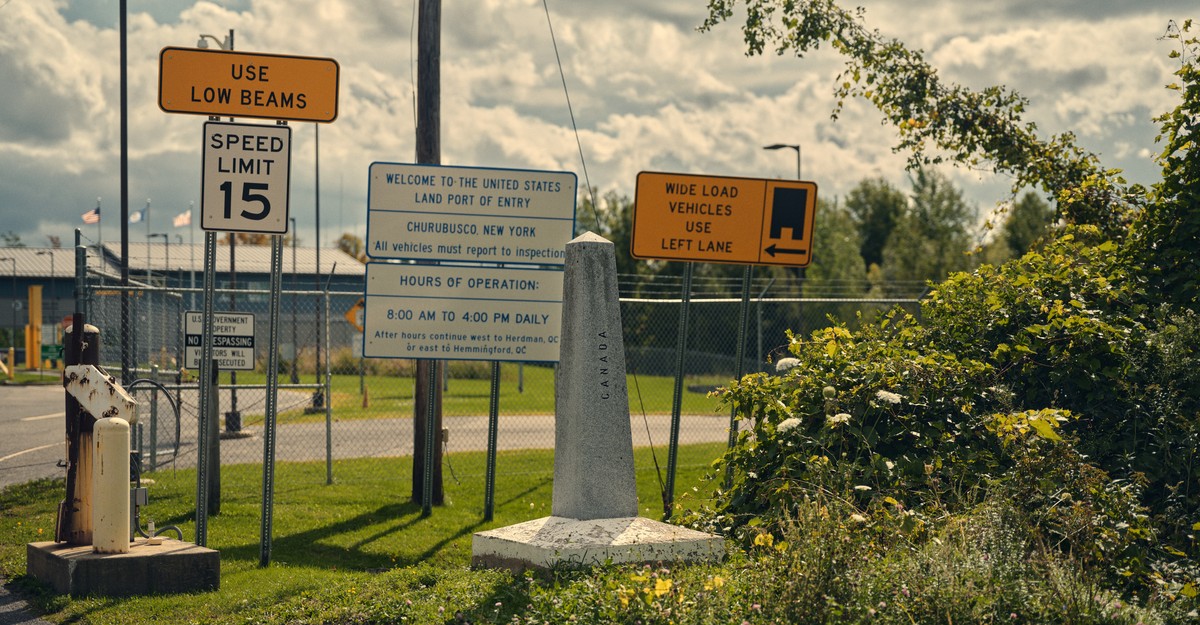
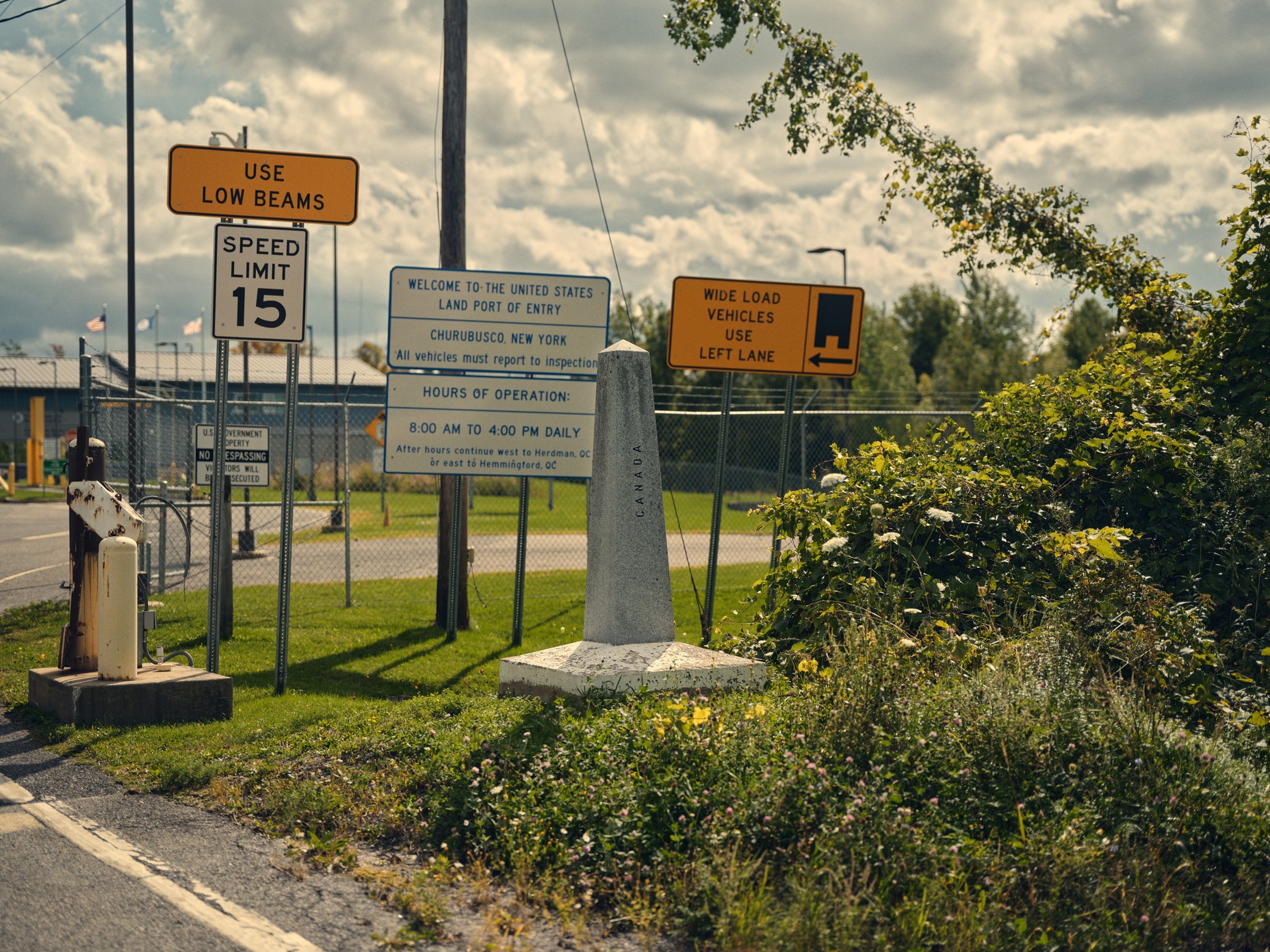
The Royal Canadian Mounted Police patrol a 20-foot-wide clearing through thick forests called The Slash, which marks the international boundary. The rough terrain is disorienting, inhospitable, and dangerous, especially in winter.
Smugglers exploit desperation

Smugglers provide GPS coordinates and little else, sometimes leaving migrants without adequate food, water, or warmth. One RCMP officer found a group nearly freezing at minus-30 degrees Celsius with tinfoil wrapped around children's feet.
Border farmers witness the exodus
Jerry Miller, a 69-year-old farmer on the New York side, says he's never seen as many migrants heading north since Trump took office. Discarded clothing, water bottles, and abandoned vehicles litter his property.
Frantz André's 30 calls a day

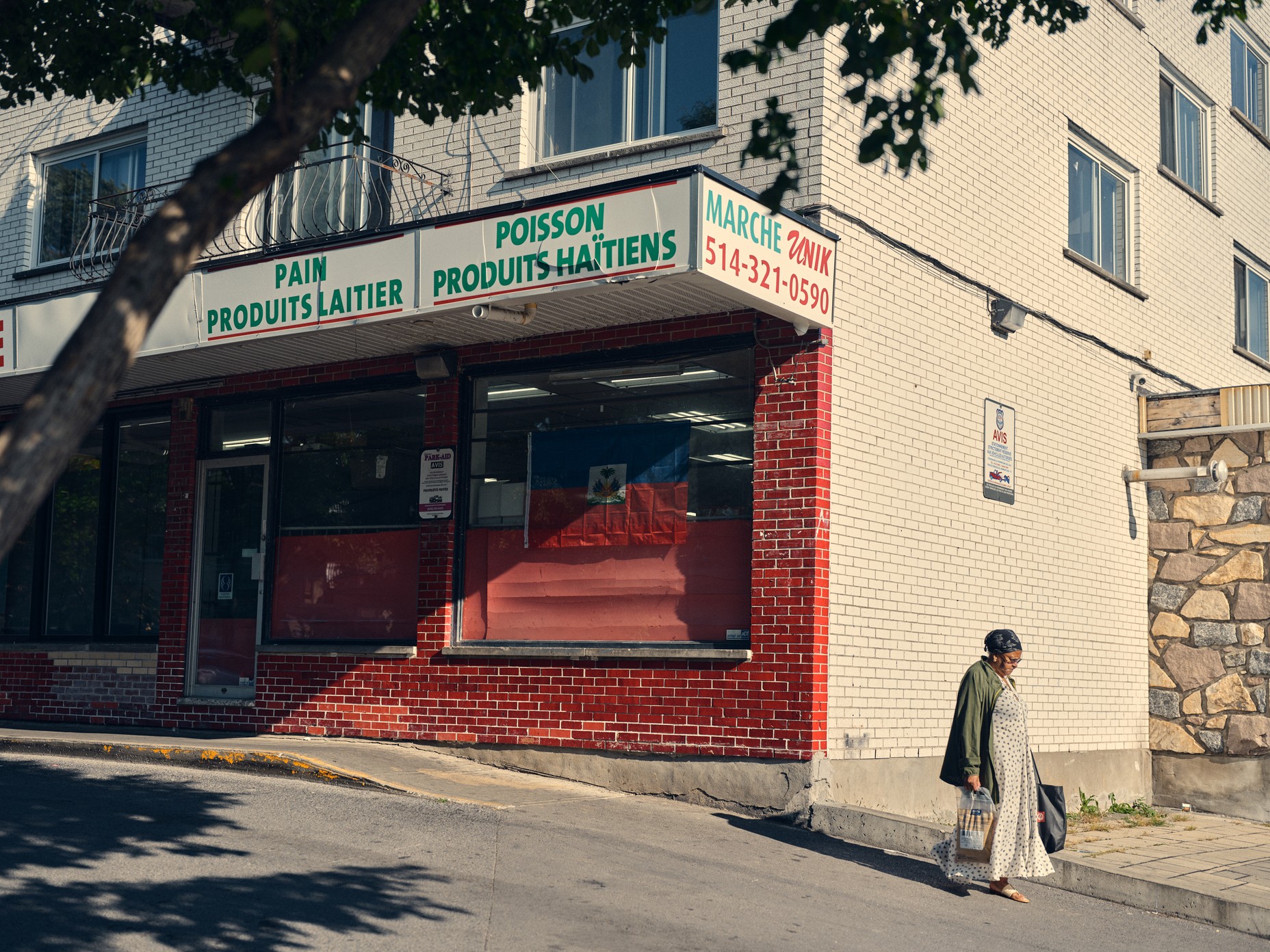
Frantz André, a retired restaurant executive born in Haiti, now volunteers as a migrant advocate. Since TPS termination, he receives about 30 calls daily from asylum seekers wanting to cross into Canada.
Montreal's Haitian population explodes
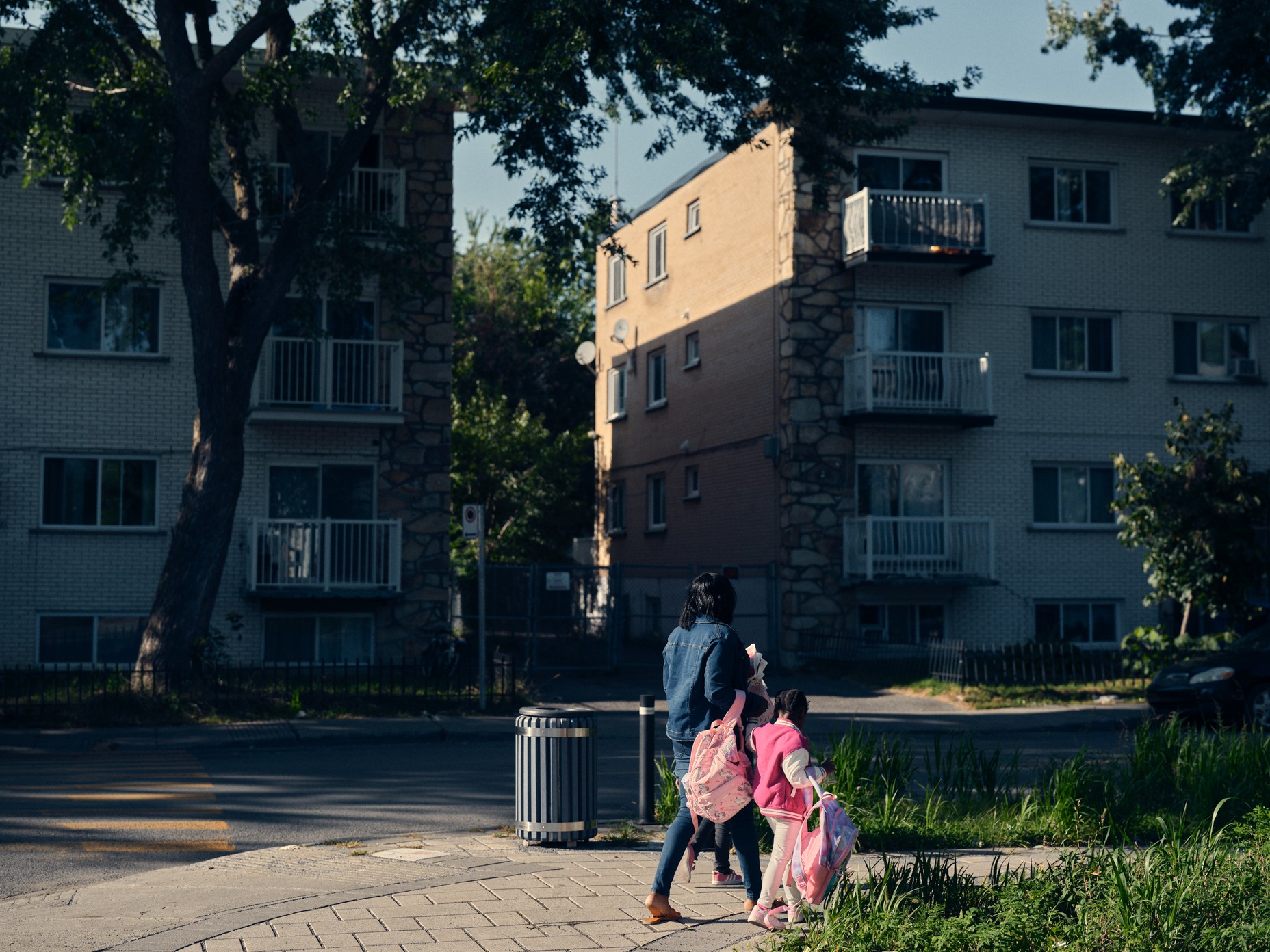
When André arrived in Canada in 1965, about 800 Haitians lived in Montreal. Today that number has grown to about 80,000, making them the city's largest immigrant group.
Canada's immigration hypocrisy
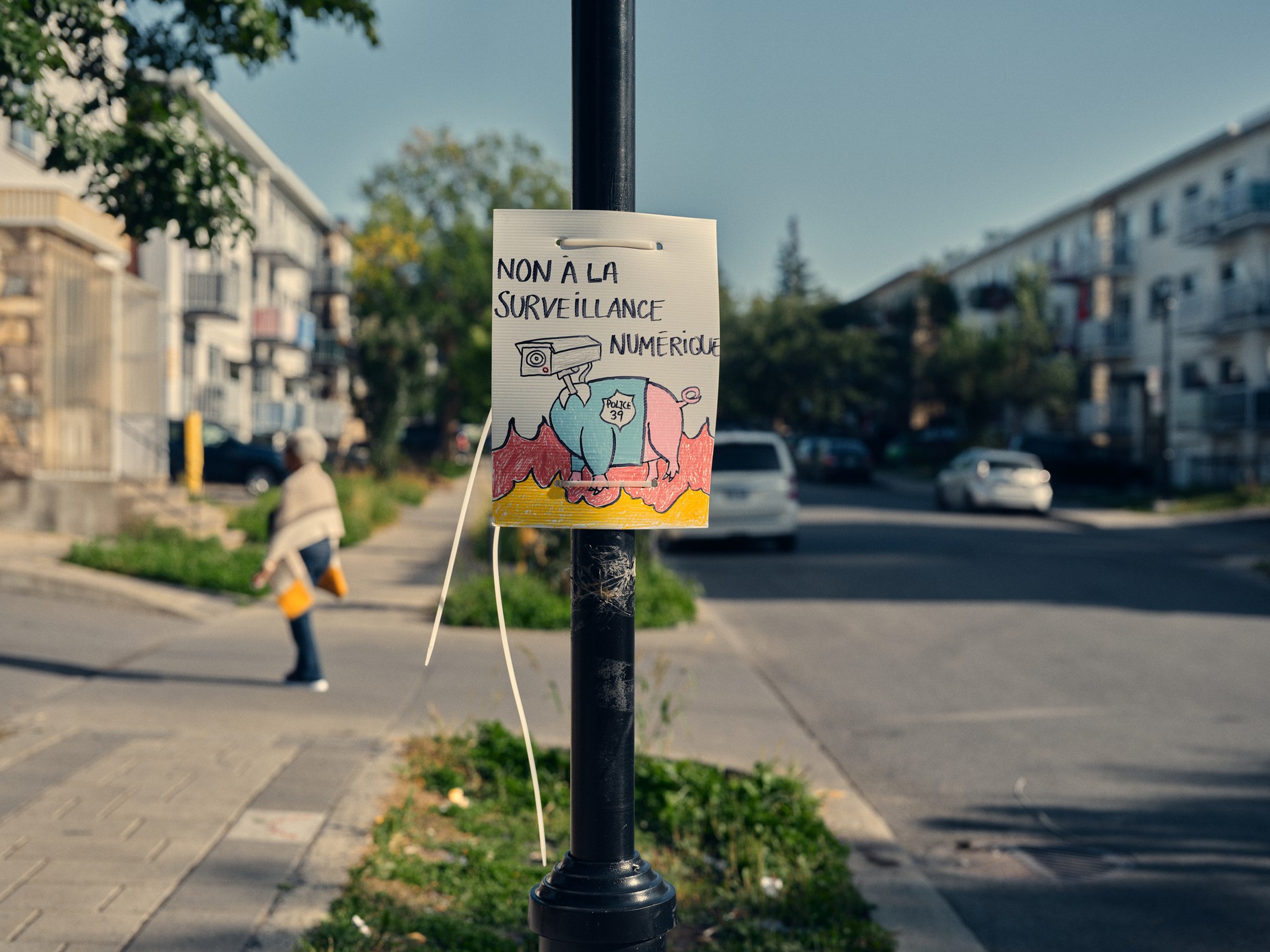
André criticizes Canada for refusing to deport Haitians to Haiti while claiming it's unsafe, yet sending them back at the border knowing they'll face deportation. He says Canada is becoming increasingly aligned with U.S. immigration enforcement.
“With a lot of our immigration policies, we're becoming more and more the fifty-first state.”
An uncertain future in limbo
Jeanne and Albert are safe for now with André's help filing protection claims. But Canada's narrowing asylum rules and unpredictable policies leave thousands of Haitians in precarious long-term limbo.
What to remember
Haitians who lost legal status in the U.S. are increasingly crossing illegally into Canada through forests, exploiting a loophole that allows them to stay if they hide for two weeks, but Canada's tightening asylum rules and lack of deportation flights to Haiti create a precarious long-term limbo.