From The Conversation · Beth Kania-Gosche · · 3m
A century of the SAT, still searching for relevance
The standardized test has transformed dramatically since 1926, but questions persist about whether it truly measures college readiness.
In brief
The standardized test has transformed dramatically since 1926, but questions persist about whether it truly measures college readiness. The SAT was revolutionary for democratizing college access, but persistent achievement gaps and the rise of test-optional admissions reveal ongoing debates about its actual value…
The SAT turns 100 this year
In June 1926, 8,000 high school students took the first SAT exam, designed to standardize college admissions across elite universities. Today, over 2 million students sit for the test annually.
Before the SAT, chaos
Each university had its own entrance exam, written and graded by professors in essay format. The SAT unified this by using multiple choice questions that could be scored quickly and objectively.
The original exam was strange
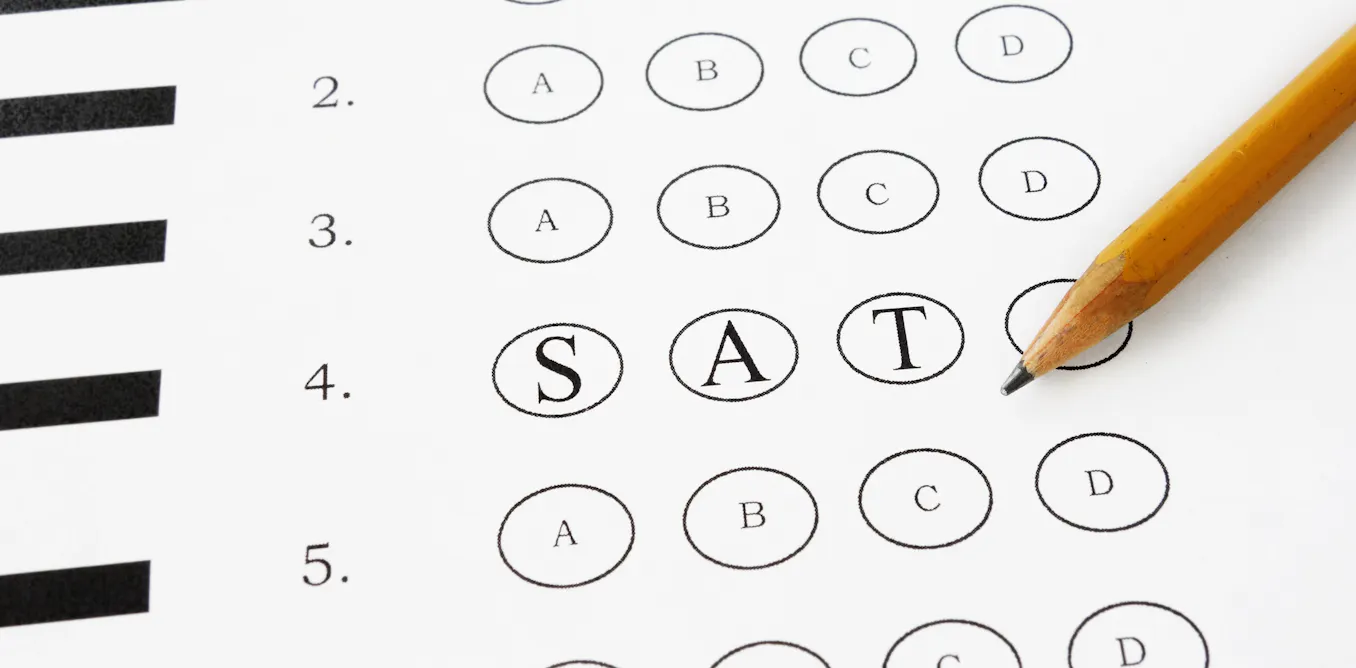
The 1926 SAT had 315 questions in 97 minutes, including sections like artificial language where students wrote coded sentences using rules like 'plurals are formed by adding -o.' Math questions came and went unpredictably.
The SAT removed barriers to college
Students no longer had to travel to campus for entrance exams. The SAT allowed thousands to test closer to home, and scores were shared with multiple colleges, creating both more competition and access.
Adoption was slow at first
Only about 10,000 students took the SAT annually in the late 1930s and early 1940s. Teachers and colleges worried the test would dictate high school curricula. Real growth came after World War II.
The GI Bill changed everything
After World War II, the GI Bill brought a surge of military veterans to college. Universities strengthened admissions criteria and relied on the SAT to manage the influx. By 1960, the University of California system required it.
Wealth predicts SAT scores
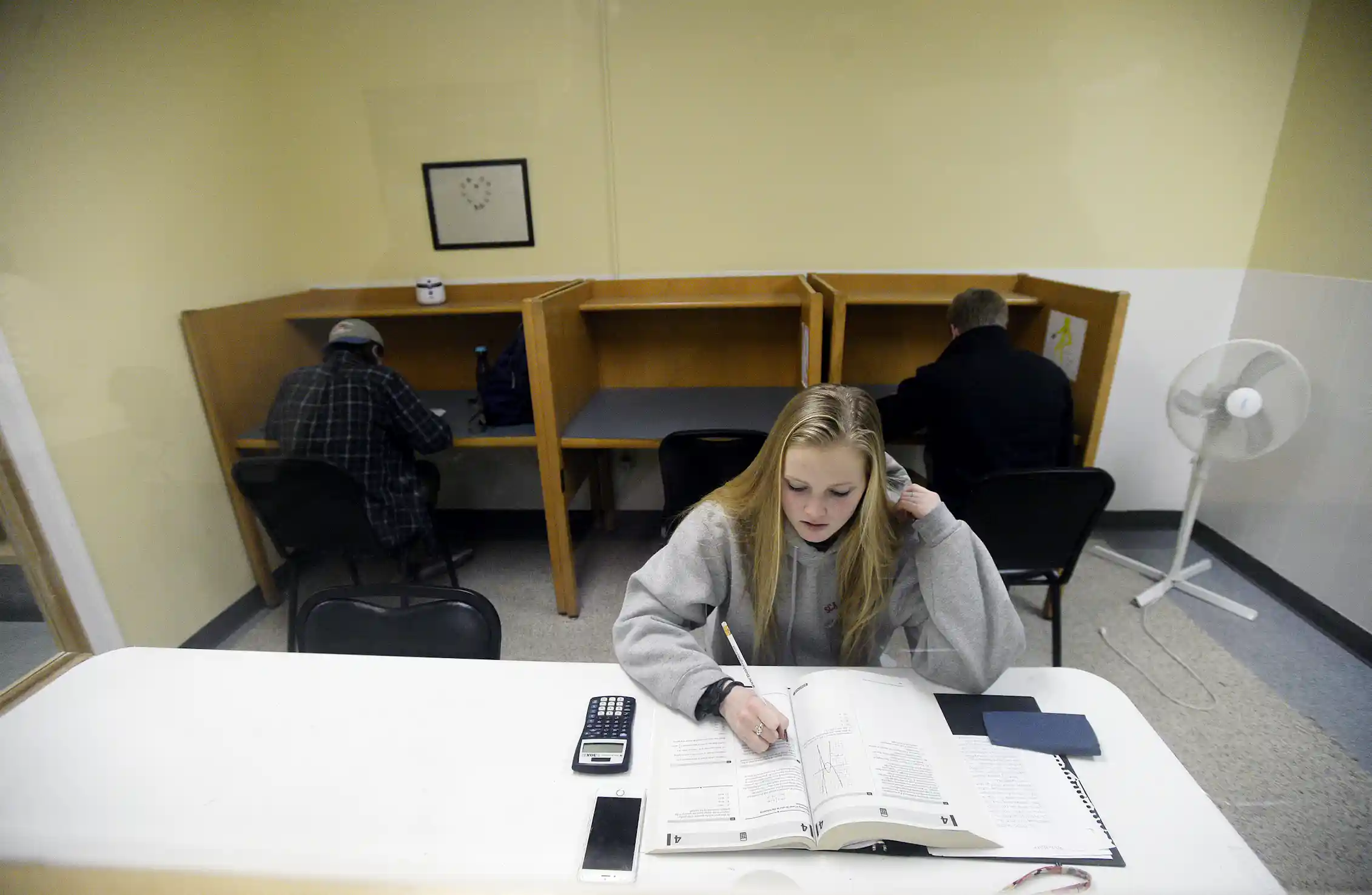
Wealthier students are 13 times more likely than low-income students to score 1,300 or higher. Wealthy families can afford tutors and prep classes, and their children attend better-funded schools.
“Wealthier students are 13 times more likely than low-income students to score a 1300 or higher on the SAT”
Racial gaps persist on the test
Asian students have the highest average SAT scores, followed by white students. Achievement gaps between racial groups have been documented and debated for decades, raising questions about what the test actually measures.
Colleges started ditching the SAT
Around 2000, about 280 colleges made the SAT optional. The COVID-19 pandemic accelerated this shift when students couldn't test. Today, over 2,000 colleges remain test-optional, though some scholarships still require scores.
High school GPA may predict better
Some research shows high school GPA is a better predictor of college success than SAT scores. Other studies link family income to both test scores and college outcomes, complicating the SAT's value.
The SAT keeps evolving
In 2024, the SAT was shortened from three hours to two hours and 15 minutes and went fully digital. The new length is closer to the original 97-minute exam from 100 years ago.
The short version
The SAT was revolutionary for democratizing college access, but persistent achievement gaps and the rise of test-optional admissions reveal ongoing debates about its actual value.