From The Conversation · Azifah Astrina · · 3m
Aceh's independence symbols return after flood disaster
A botched government response to devastating floods has reignited separatist sentiment in a province that found peace 21 years ago.
In brief
A botched government response to devastating floods has reignited separatist sentiment in a province that found peace 21 years ago. National belonging is negotiated between states and citizens, and can fracture when governments fail to respond adequately to crises. Originally reported by The Conversation.
Peace anniversary turns political
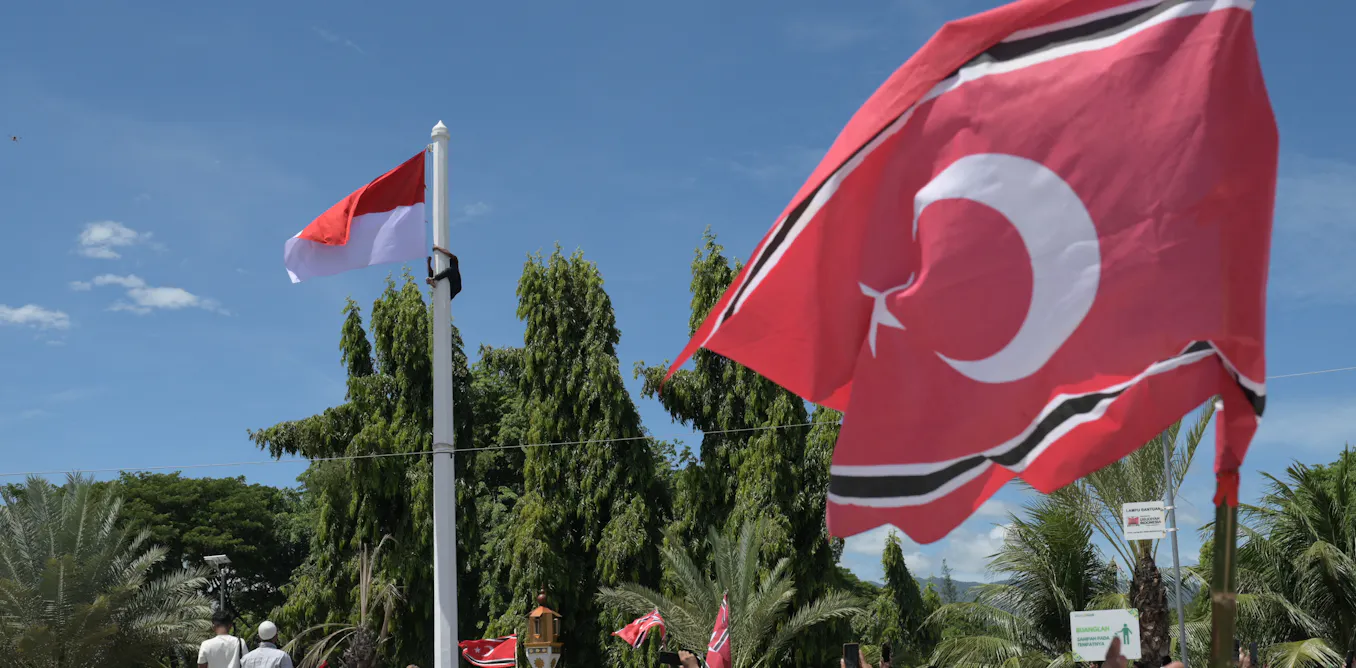
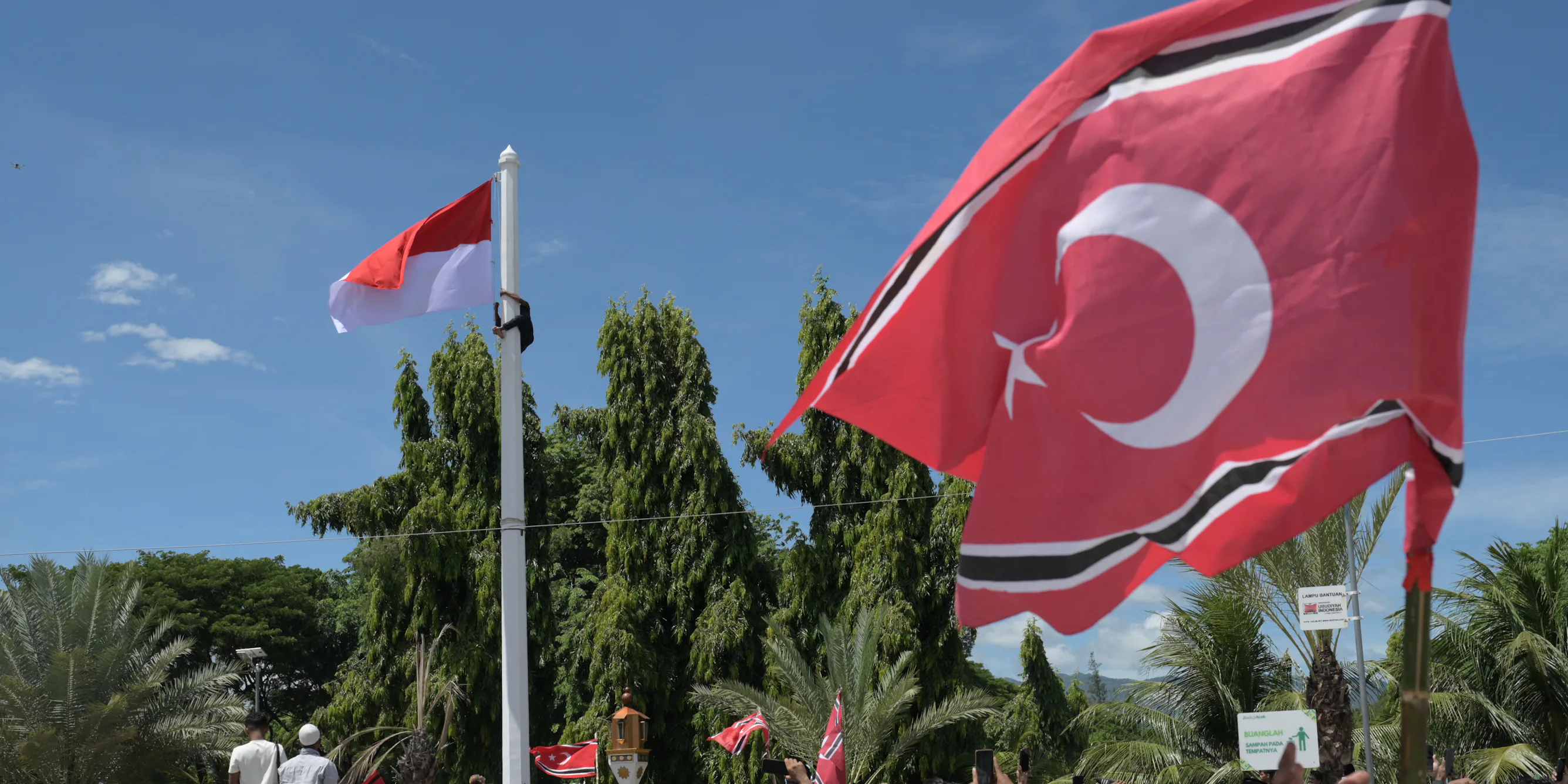
On August 15, 2026, thousands gathered in Banda Aceh to mark 21 years since the 2005 Helsinki peace agreement. Some raised the Free Aceh Movement flag and chanted for independence, a politically significant act in a province that fought a nearly three-decade armed struggle.
Independence symbols resurface repeatedly
Former GAM members raised the crescent-star flag in December 2024 and again in December 2025, with one expressing hope it would eventually fly across Aceh. Indonesian soldiers dispersed crowds displaying it in 2025.
Floods triggered the resurgence
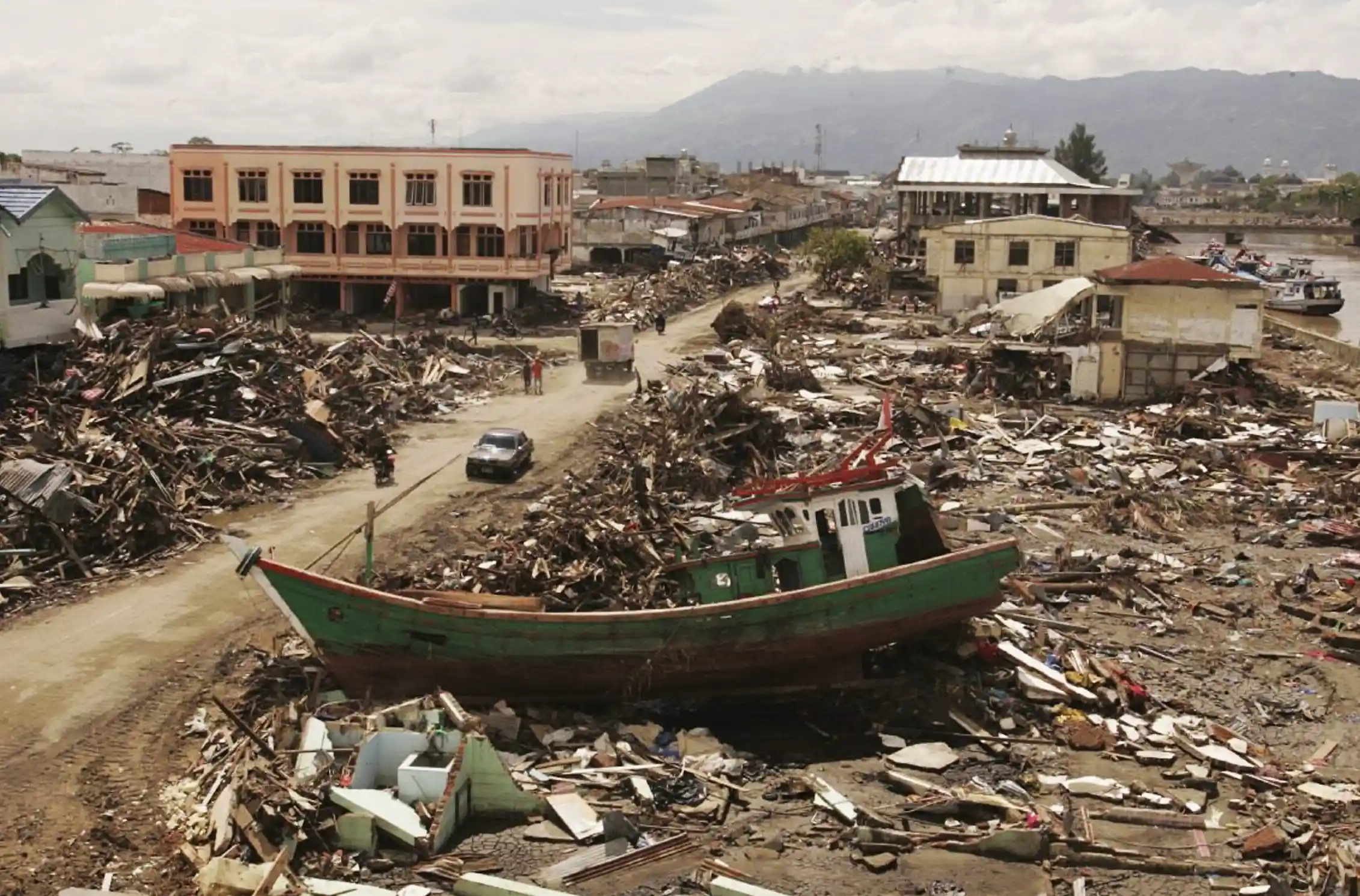
Severe floods and landslides struck Aceh in late November 2025, killing over 1,000 people and displacing more than 1 million. The return of independence symbols coincided with criticism of Jakarta's response to the disaster.
2004 tsunami brought peace, not this time
The devastating 2004 tsunami accelerated peace negotiations by shining a light on Aceh's suffering and opening doors to international aid. The 2025 floods have instead intensified pro-independence sentiment.
GAM fought for three decades
The Free Aceh Movement, founded in 1976, presented Aceh as a distinct nation that should be independent. The nearly 30-year conflict killed thousands, with civilians bearing much of the violence through torture, arbitrary arrests and forced displacement.
Helsinki agreement ended war, not nationalism
The 2005 Helsinki agreement gave Aceh extensive self-governing powers, local political parties, and control over economic affairs. GAM disarmed and many leaders entered electoral politics, but pro-independence ideas and symbols never fully disappeared.
Peace depended on changing terms
The agreement succeeded because it didn't require Acehnese to abandon their distinct political identity. Instead, it made remaining within Indonesia acceptable by granting considerable autonomy and control over local affairs.
Prabowo rejected national disaster status
President Prabowo Subianto rejected calls to designate the floods a national disaster, arguing Indonesia had sufficient capacity to manage the crisis. His refusal of foreign aid sparked widespread anger in Aceh.
Reconstruction remains severely delayed
As of September 7, 2026, only 649 of 34,777 permanent homes needed for displaced residents had been completed. Nearly 100 road segments remained nonfunctional and most bridges had not been restored.
Acehnese nationalism is not fixed
Acehnese leaders supported Indonesian independence from the Dutch in 1945 and didn't seek separation during the 1950s Darul Islam rebellion. Independence became the goal only as relations with Jakarta deteriorated, showing nationalism can be renegotiated.
Independence language expresses discontent
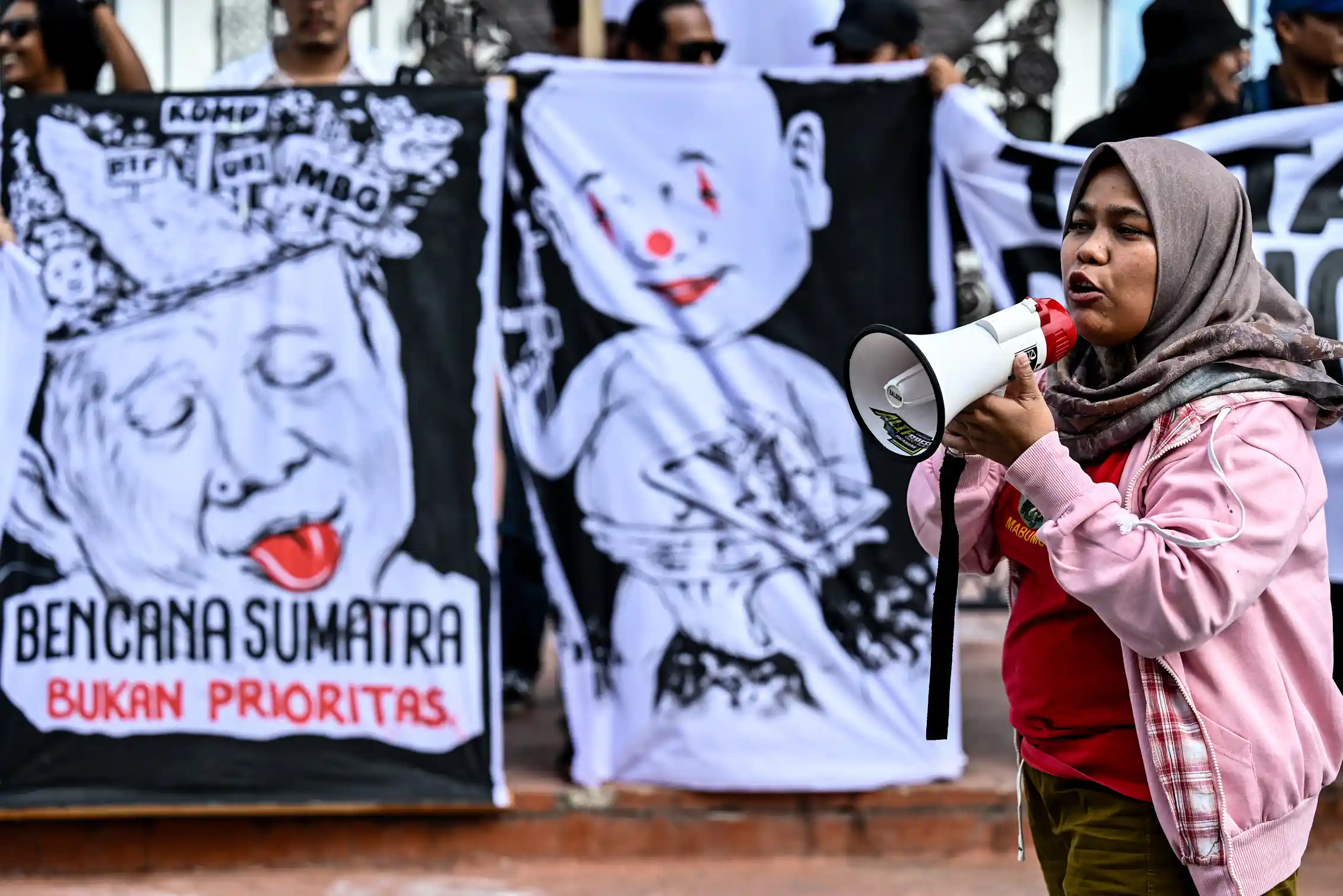
More than two decades after peace, Free Aceh chants and separatist symbols remain available as political language for expressing dissatisfaction with Indonesia, especially when government legitimacy is damaged by crisis.
Belonging requires two-way negotiation
National identity works both ways: Indonesia promotes shared identity through institutions, but Acehnese also negotiate what belonging to Indonesia means through their interaction with the state. Peace, autonomy and time alone don't settle the question.
The one thing
National belonging is negotiated between states and citizens, and can fracture when governments fail to respond adequately to crises.