From The Conversation · G. Patrick O'Brien · · 1m 50s
Americans are destroying surveillance cameras like it's 1773
A grassroots revolt against license plate readers echoes the colonists' violent pushback against British control.
In brief
A grassroots revolt against license plate readers echoes the colonists' violent pushback against British control. When surveillance feels like overreach, Americans still respond with the same rebellious spirit that sparked the Revolution. Originally reported by The Conversation.
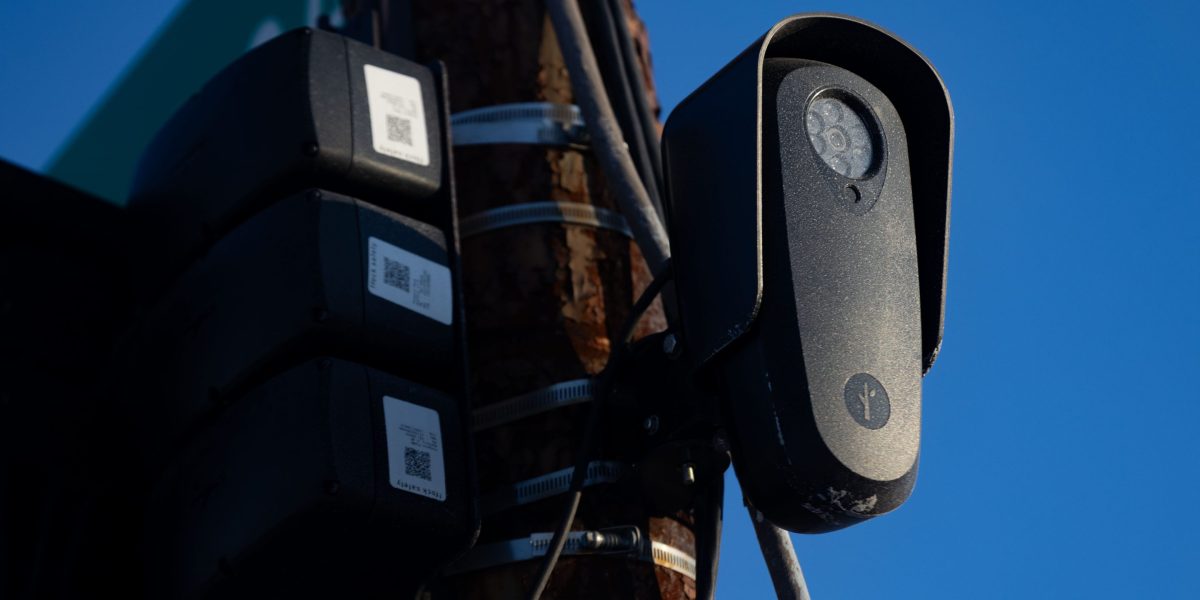
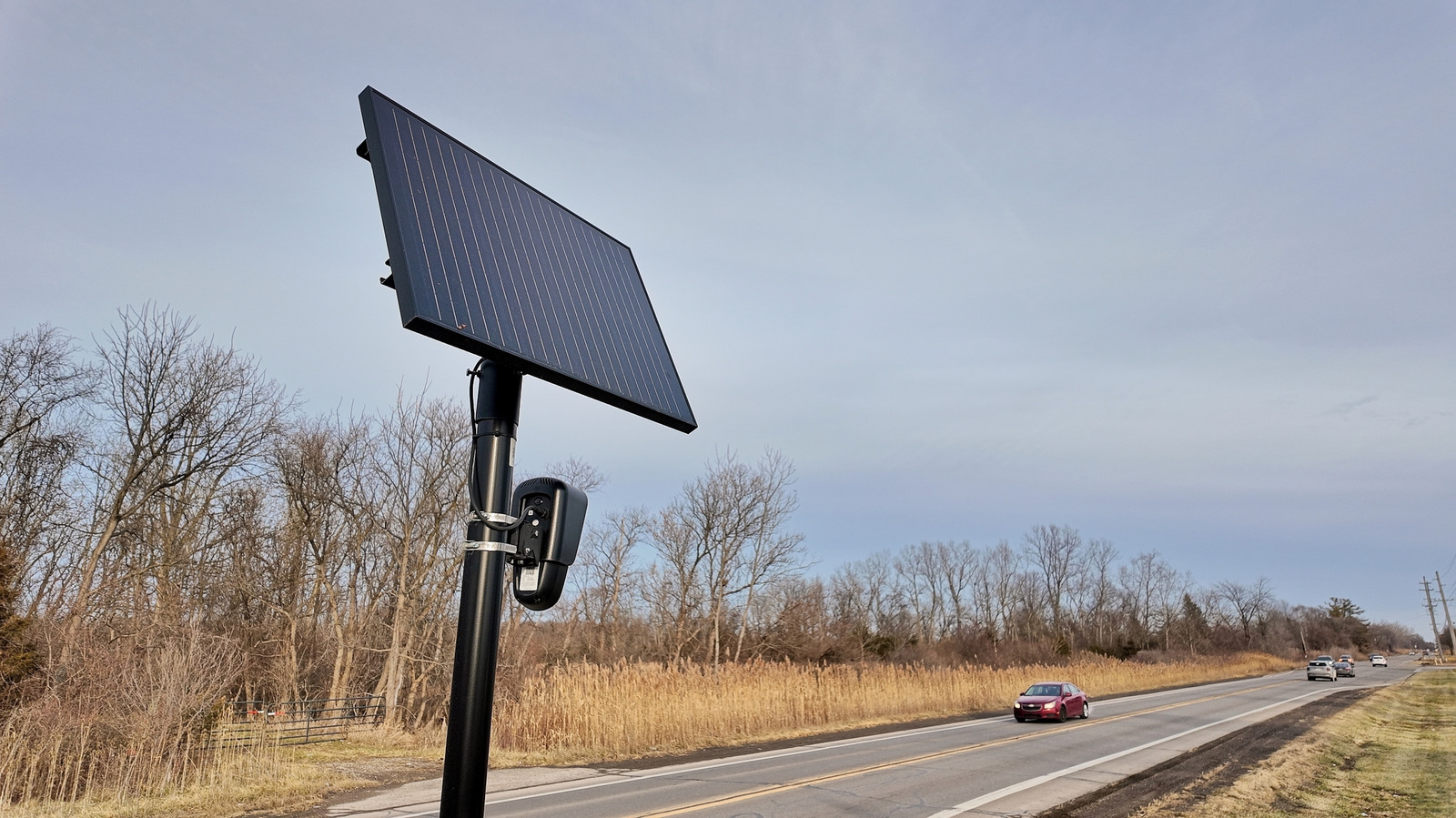
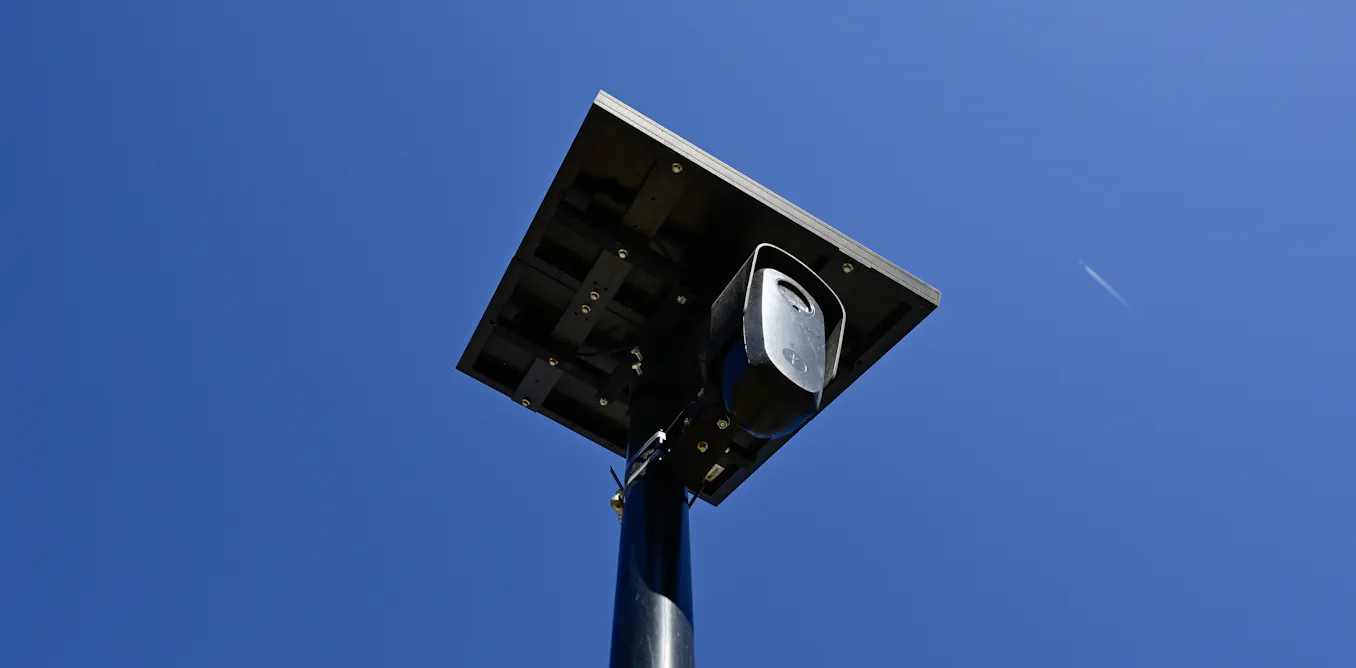
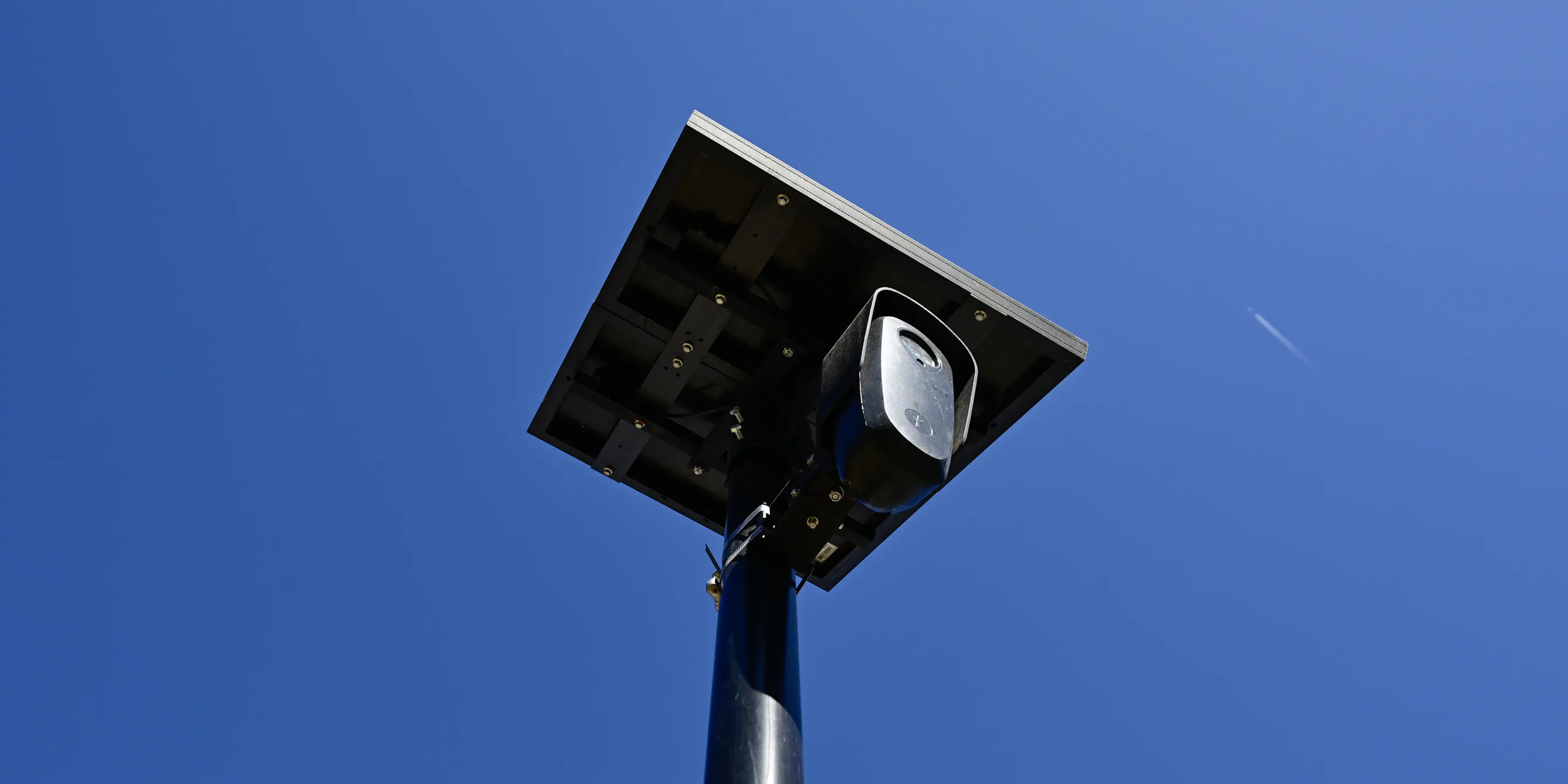
AI cameras track every car
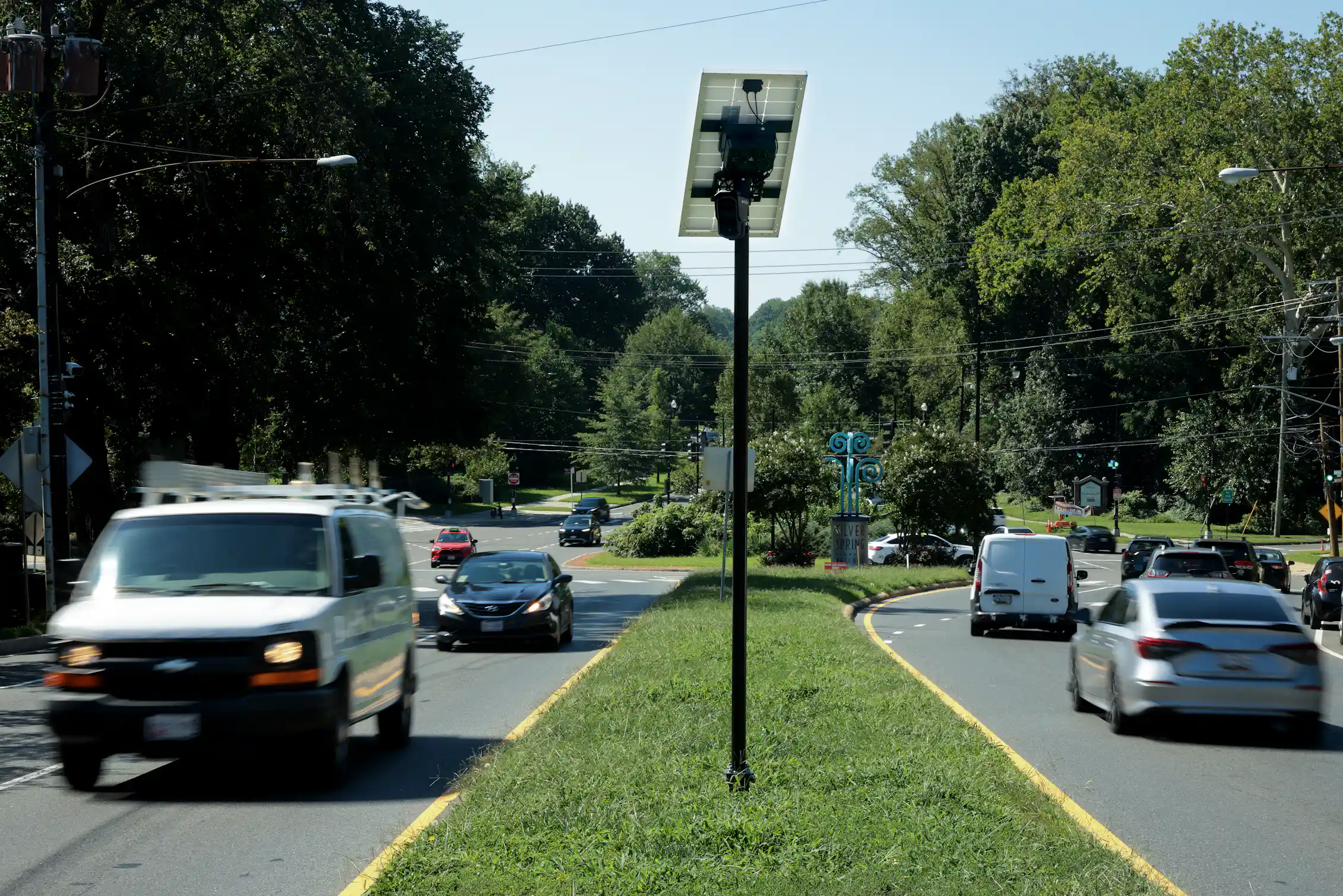
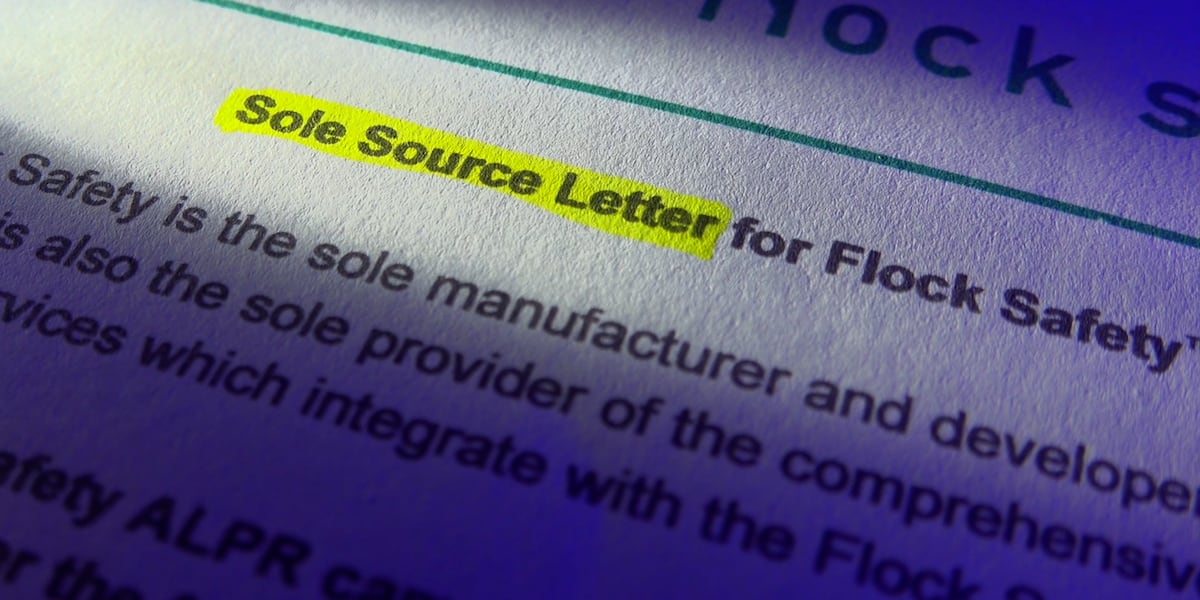
Over 130,000 automated license plate readers now scan U.S. streets, turning vehicle details into searchable data. More than 5,000 police agencies use cameras from one company, Flock Safety.
Police abuse the data
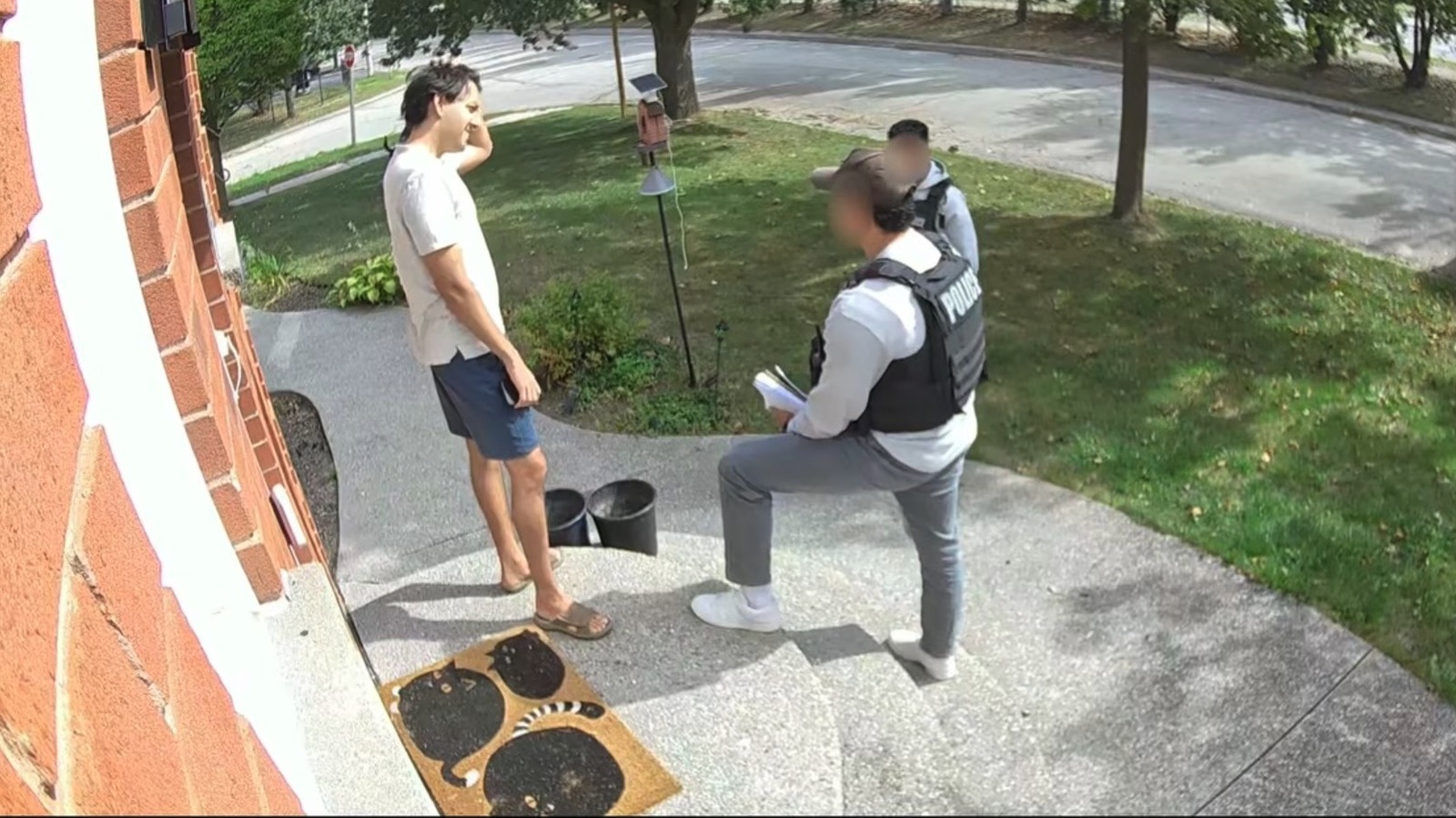
Officers have used Flock cameras to stalk estranged wives and harass women. California police illegally shared ALPR data with ICE and federal agencies.
Citizens destroy the cameras
In at least 36 states, opponents have taken matters into their own hands, destroying or disabling ALPRs. Cities are canceling contracts and Florida revoked highway permits.
Colonists were always troublemakers
English colonists turned to smuggling when Parliament passed trade laws in the 1660s. They preferred direct trade over control from London ministers.
Britain cracked down after 1763
After defeating France, Prime Minister George Grenville demanded colonists pay for their own military protection. What angered Americans wasn't higher taxes but growing government control.
The Boston Tea Party strikes
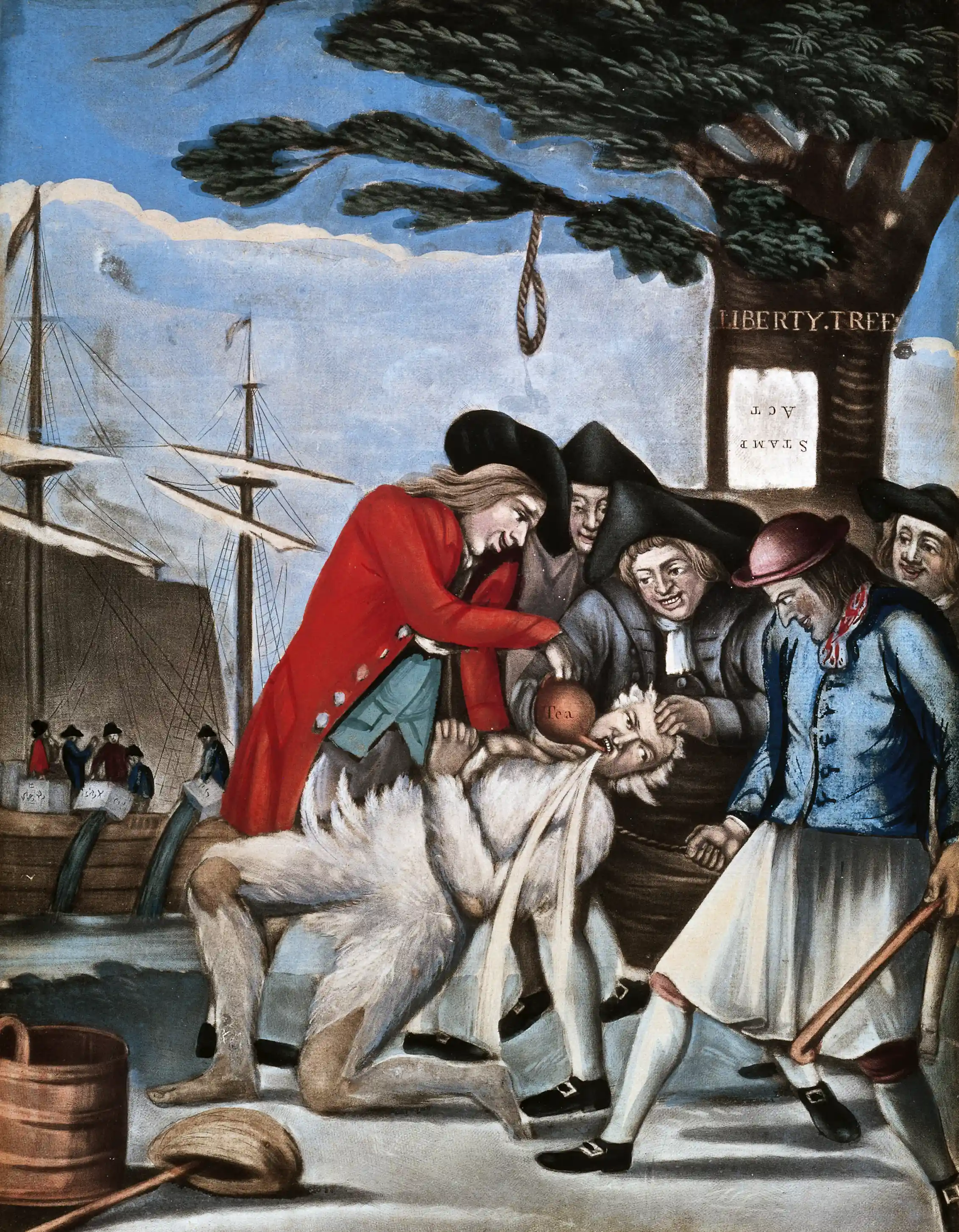
On December 16, 1773, the Sons of Liberty dumped nearly $2 million worth of tea into Boston Harbor. Weeks later, they tarred and feathered a British supporter for five hours.
Surveillance backfired in Boston
General Thomas Gage sent 5,000 troops to gather intelligence on radicals. Heightened surveillance only pushed more citizens to join the rebellion.
Flock CEO invokes Ben Franklin
Garett Langley argued Americans should compromise on privacy for safety, like mandating seat belts. He claimed critics misunderstand Franklin's famous liberty quote.
Adams knew Americans would unite
Samuel Adams wrote in 1771 that colonists disagreed on tactics but were united on defending liberty. When threatened, Americans come together against overreach.
“Those who would give up essential liberty to purchase a little temporary safety deserve neither liberty nor safety.”
What to remember
When surveillance feels like overreach, Americans still respond with the same rebellious spirit that sparked the Revolution.