From The Conversation · Saar Shahar · · 1m 50s
Americans see Pacific Islander's historic portrait for first time
Americans now see 1776 portrait of Pacific Islander Omai, who captivated 18th-century England.
In brief
Americans now see 1776 portrait of Pacific Islander Omai, who captivated 18th-century England. Americans can view Joshua Reynolds' 1776 portrait of Omai, a Pacific Islander who visited England in 1774. Originally reported by The Conversation.
Omai arrives in England
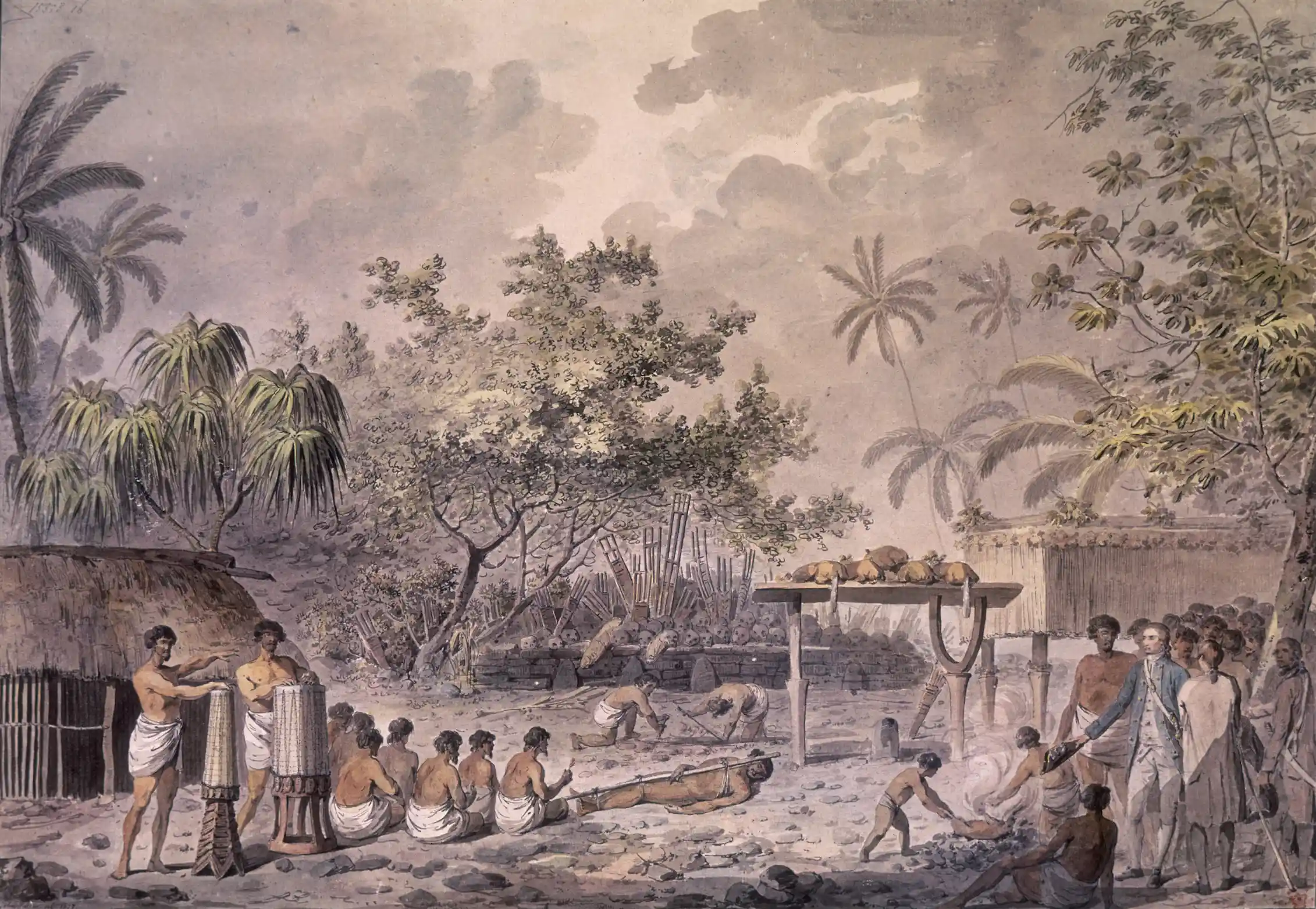
In 1774, a young man named Mai arrived in England after joining Captain James Cook's second expedition.
Reynolds paints Omai
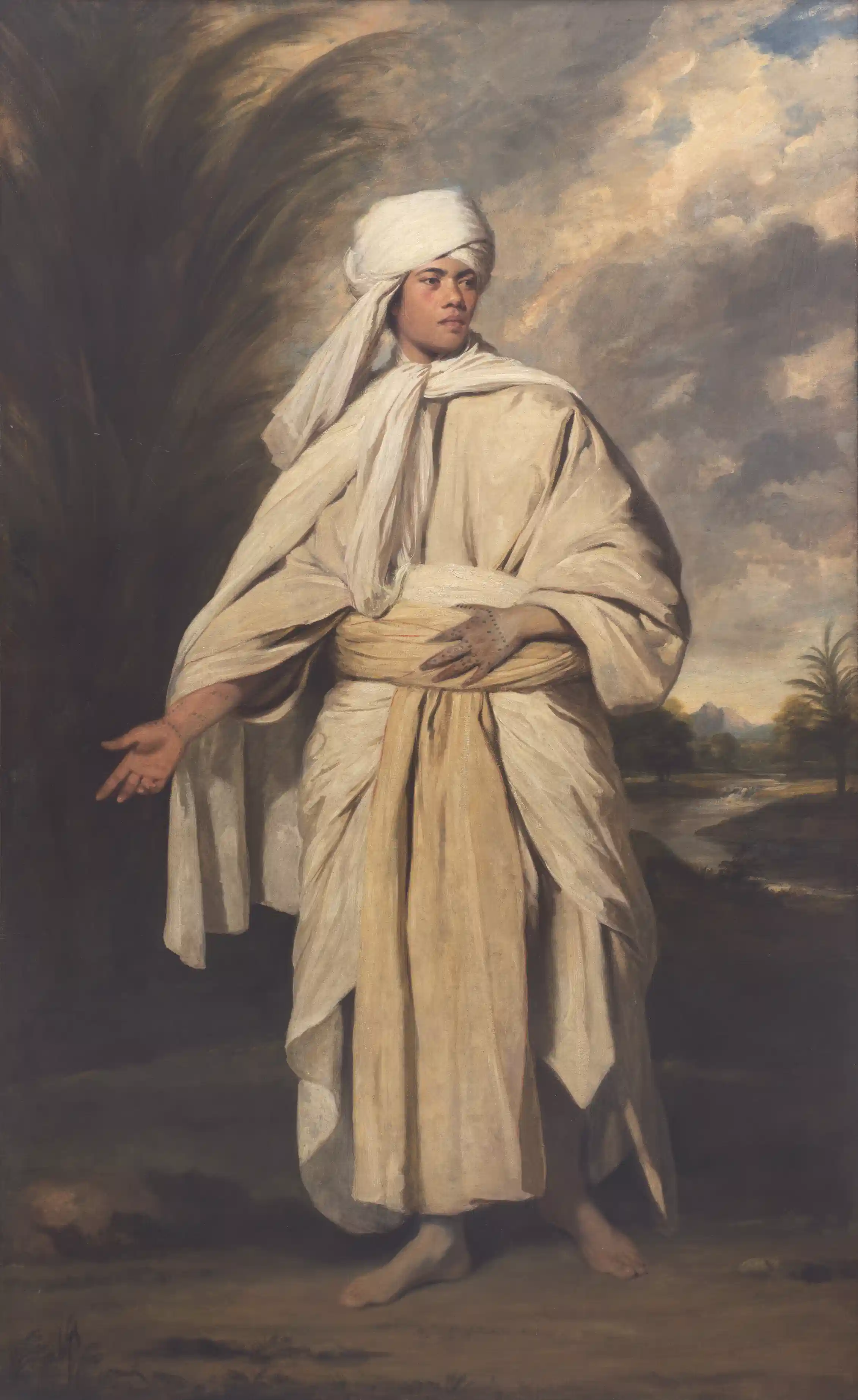
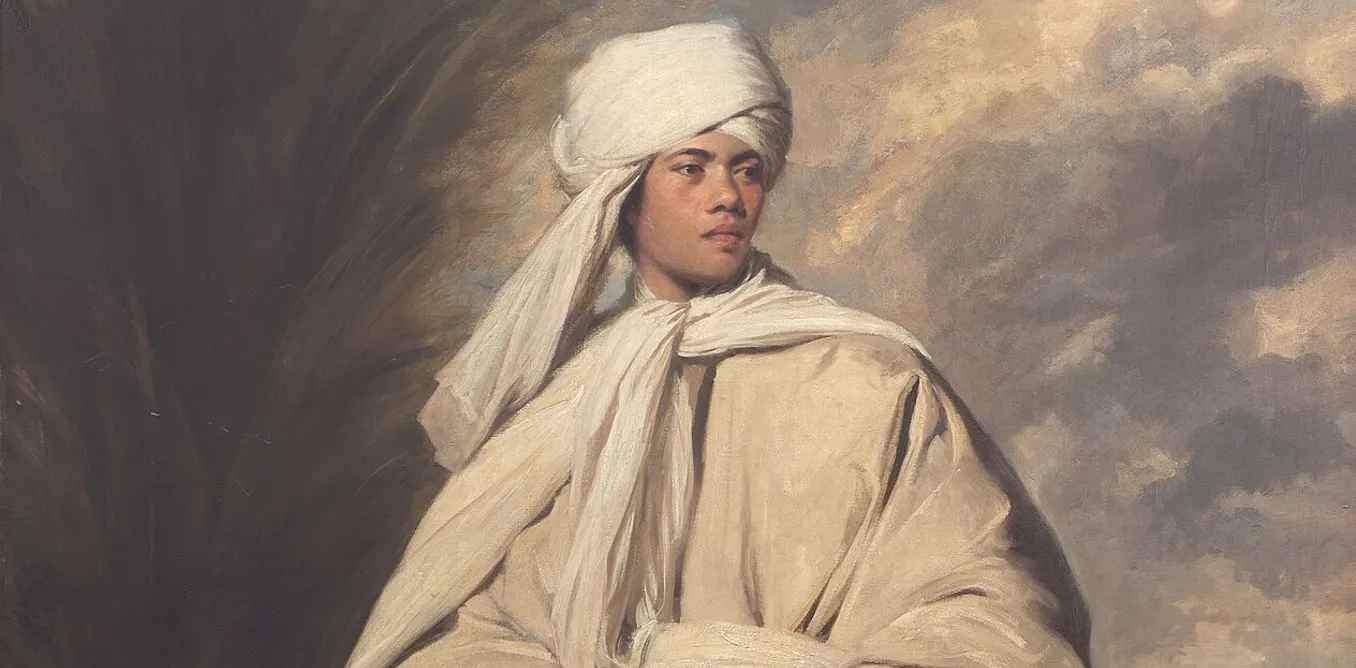
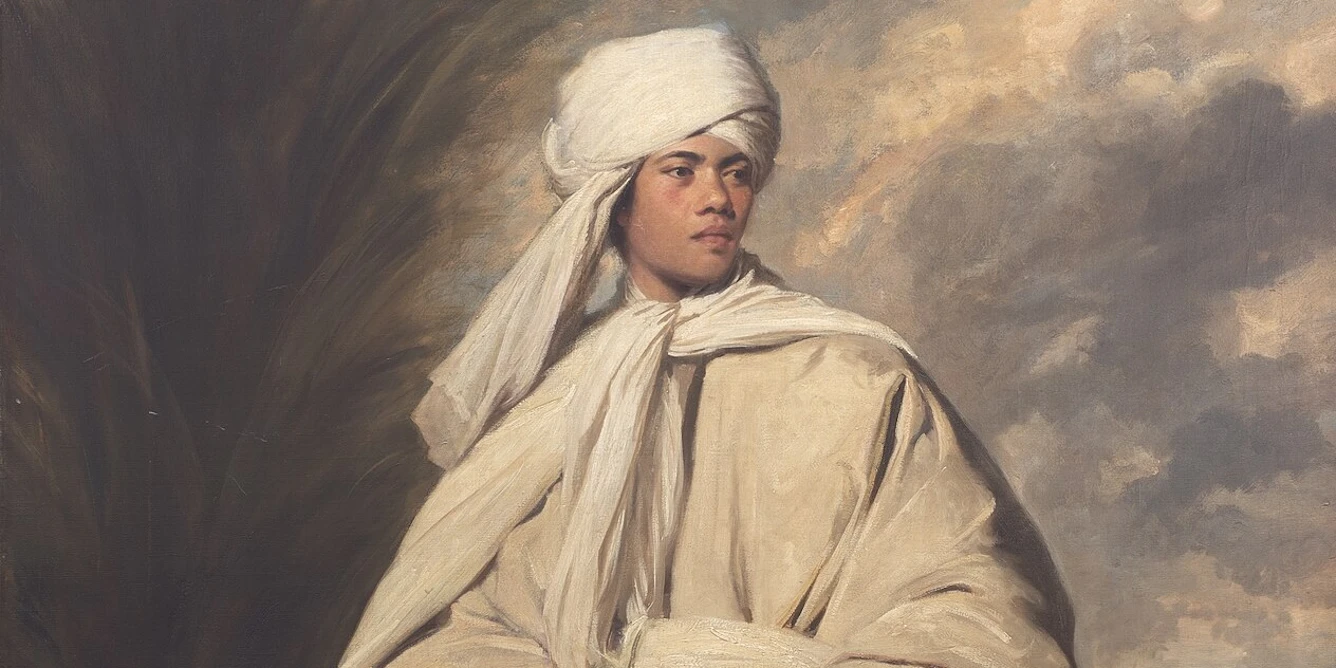
Two years after Mai's landing, painter Joshua Reynolds created a nearly 8-foot-tall portrait of the Pacific Islander.
Getty acquires portrait
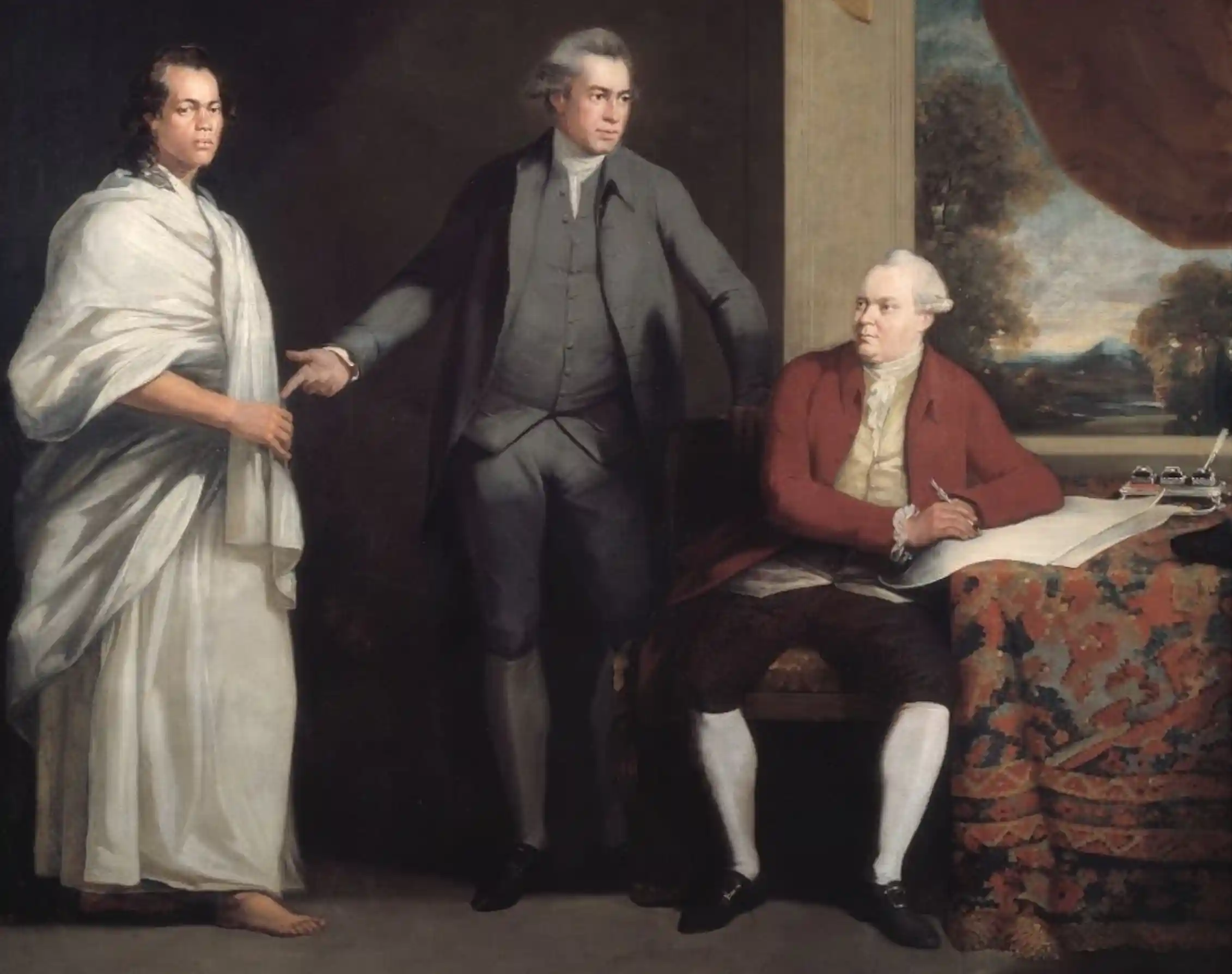
The Getty Center and National Portrait Gallery bought the painting for US$61 million in 2023, displaying it in Los Angeles from Sept. 15, 2026.
Omai's background
Mai was from Raiatea, where he fled after his father was killed by invaders from Bora Bora.
Omai's journey
Cook transported Mai to England, where Europeans called him 'Omai' after conflating the Tahitian 'o' with his name.
Omai's purpose
Mai wanted British firepower to retake his homeland after being displaced from Raiatea.
Banks' role
Joseph Banks, a wealthy naturalist, promoted Omai as a noble to gain social status and influence in England.
Reynolds' portrait
Reynolds modeled Omai after Roman senators, dressing him in robes that blended Tahitian tapa cloth with Roman flair.
Omai's legacy
Omai died in 1779 after using British firearms to defeat Bora Borans, becoming one of the first Pacific Islanders to wield Western weapons.
Cultural impact
Omai inspired a 1785 stage show where he was portrayed as a prince falling in love with an Englishwoman named Londina.
Omai's story ends
Omai died in 1779 after using British firearms to defeat Bora Borans, becoming one of the first Pacific Islanders to wield Western weapons.
The one thing
Americans can view Joshua Reynolds' 1776 portrait of Omai, a Pacific Islander who visited England in 1774.