From The Conversation · Catherine Armbruster · · 2m
Bacteria evolved to eat Pittsburgh's industrial pollution
At old steel sites, microbes spent decades adapting to contamination and may hold the key to cleaning up brownfields.
In brief
At old steel sites, microbes spent decades adapting to contamination and may hold the key to cleaning up brownfields. Microbes at contaminated industrial sites have evolved to consume pollutants, offering a potential biological solution for cleaning up brownfields. Originally reported by The Conversation.
Old steel sites hide living ecosystems
Former industrial sites across Pittsburgh are being redeveloped. But beneath the contaminated soil, billions of microbes have spent decades adapting to pollution.
Hazelwood Green's industrial past
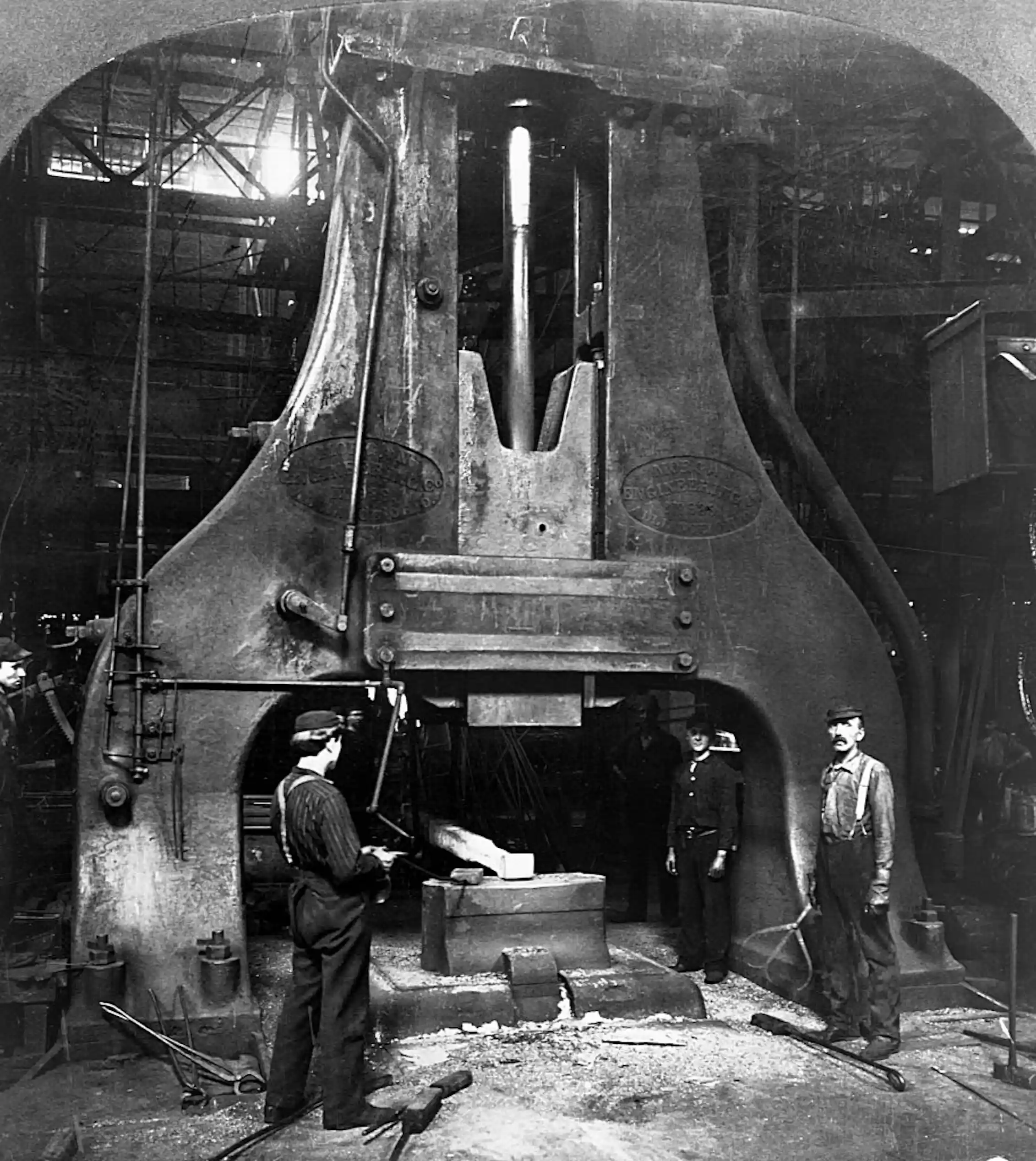
This 178-acre site along the Monongahela River was home to steelmaking for over a century. At its peak, it employed thousands and helped make Pittsburgh the Steel City.
A toxic chemical legacy
The site's soil contained petroleum hydrocarbons, heavy metals, and BTEX compounds. These chemicals are toxic to humans and some are known carcinogens.
Pollution as evolution experiment
When pollutants enter soil, some microbes can tolerate or even consume them as food. Over time, bacteria that break down pollution grow more common.
“At Hazelwood Green, decades of industrial pollution accidentally ran a giant evolution experiment for us.”
Collecting soil from different depths
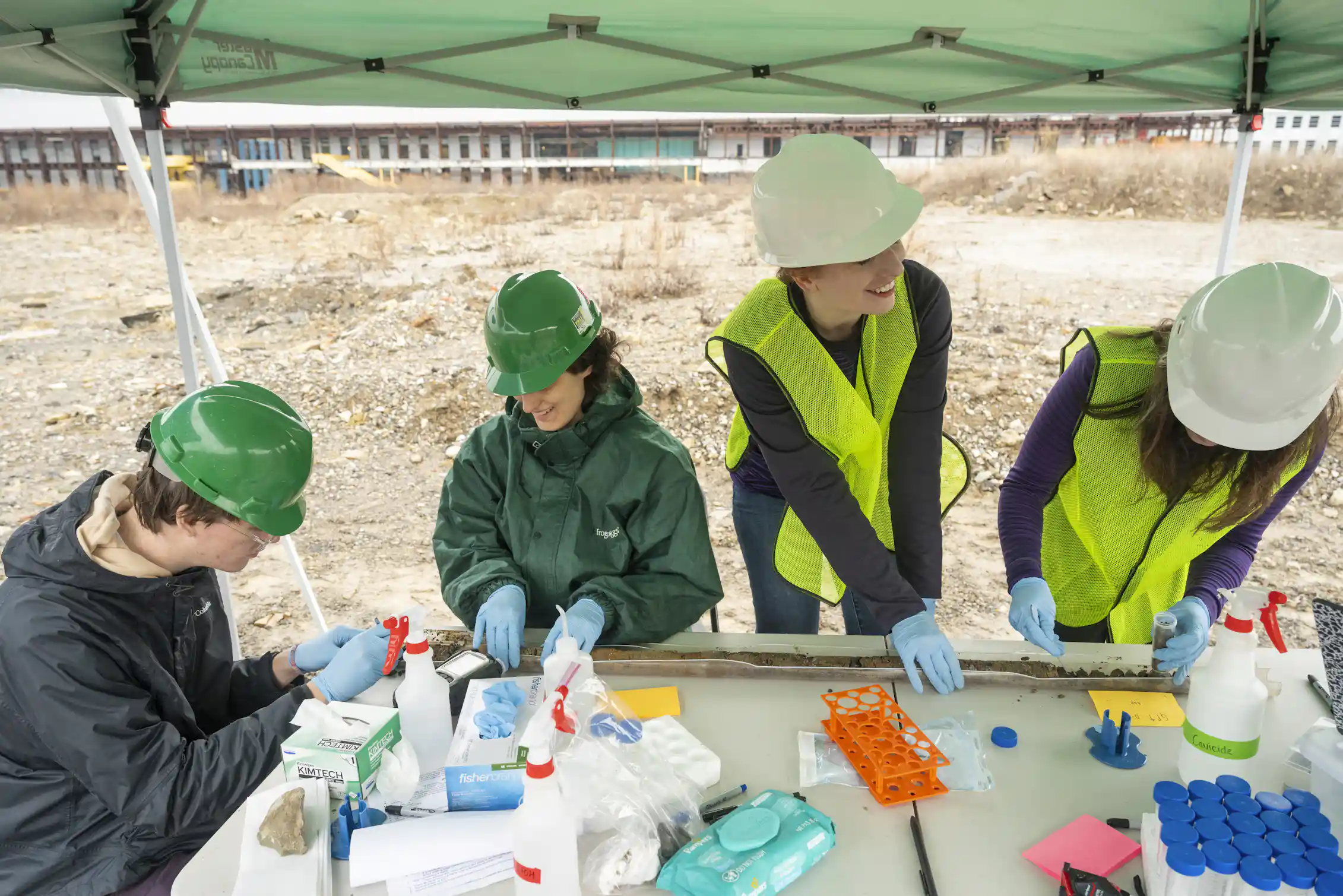
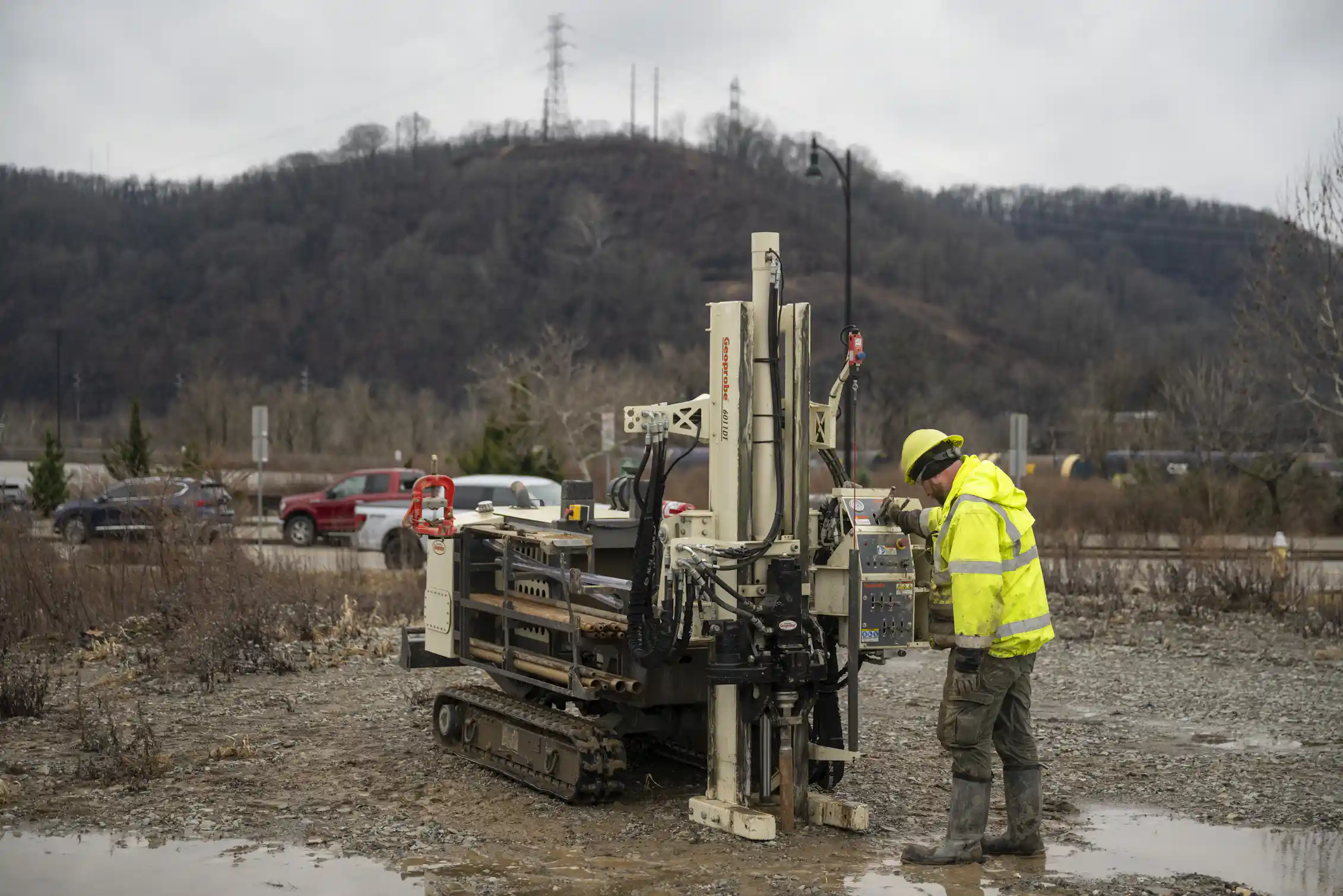
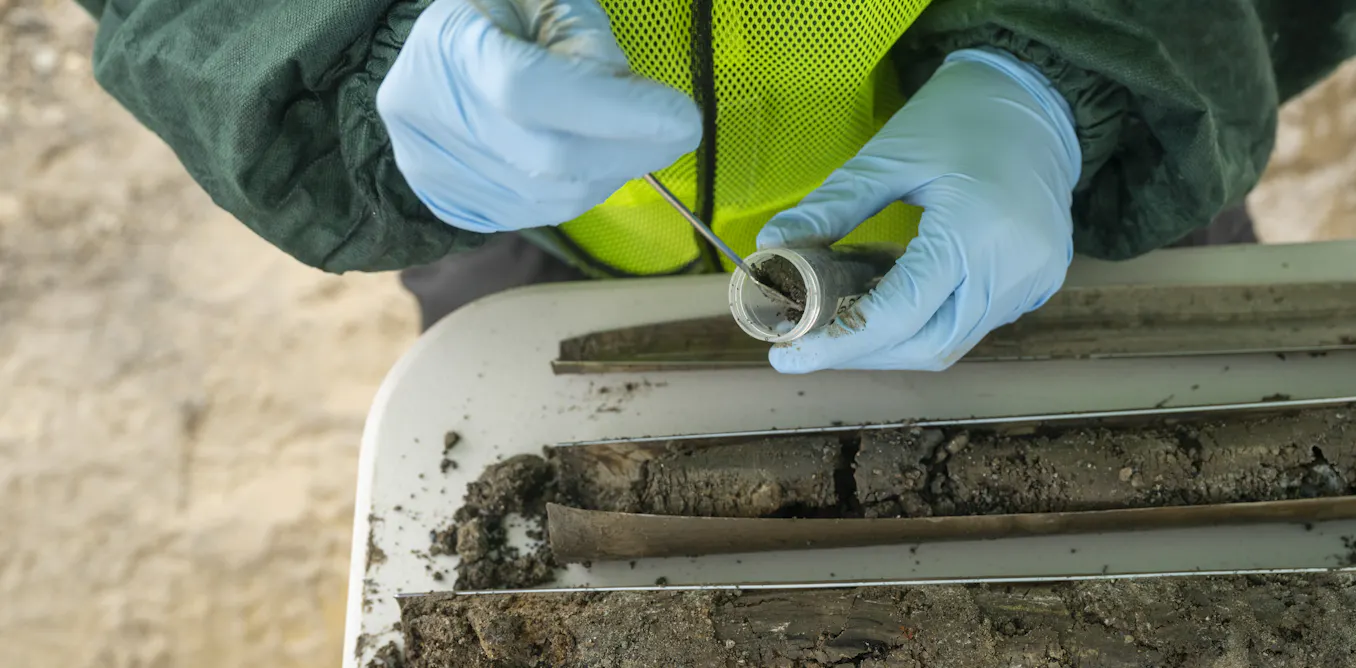
Researchers drill cylindrical soil cores from the surface down, preserving layers at different depths. This lets them examine microbial communities deep below.
DNA reveals what microbes can do
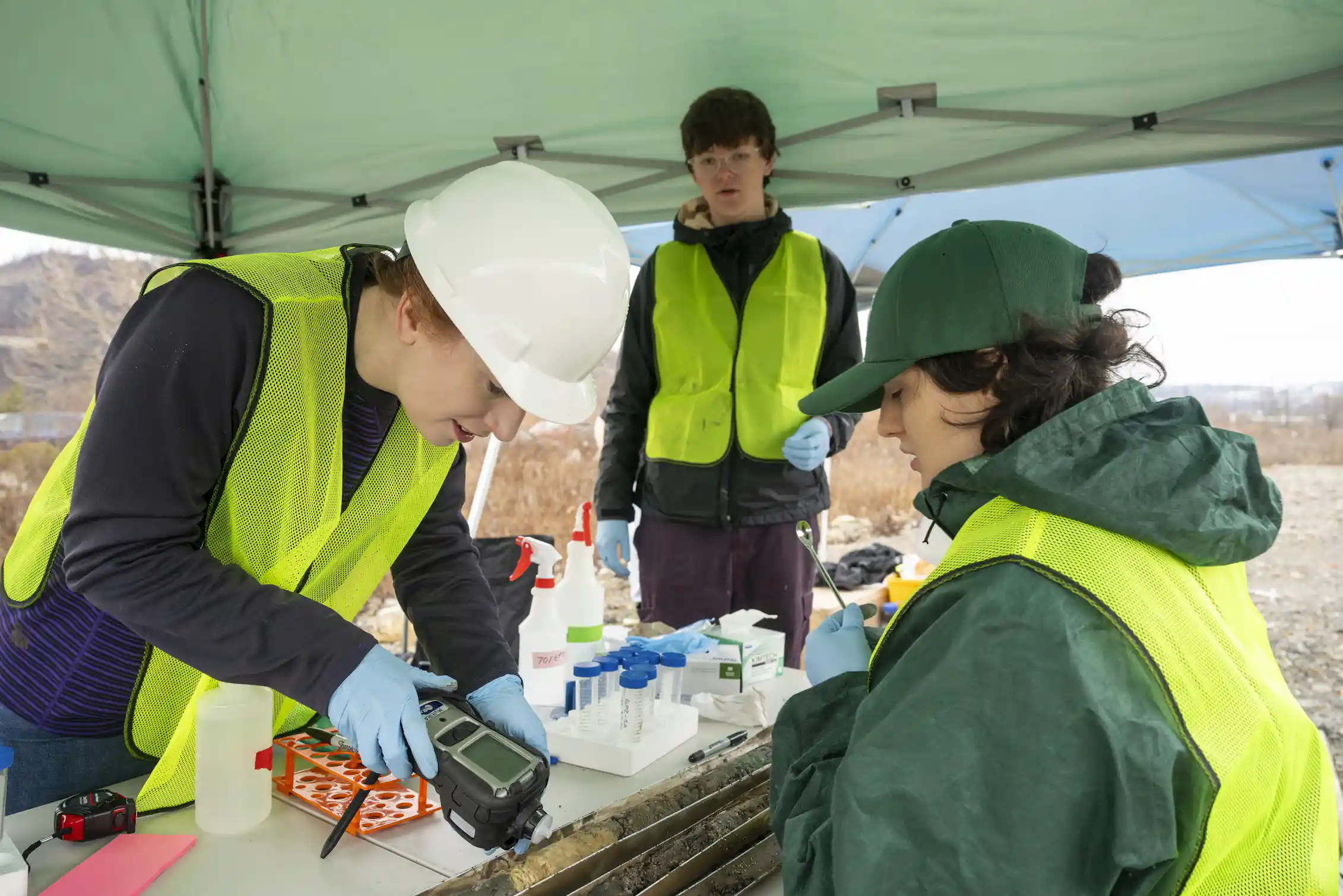
Scientists extract DNA and use metagenomic sequencing to identify all organisms in a sample. They map contamination records to see if pollution left a signature.
Testing if bacteria eat pollutants
Researchers grow bacteria in minimal medium with no food, then add a pollutant as the only carbon source. If bacteria grow, they're using the pollutant as food.
Robots speed up the search
Carnegie Mellon's AI Science Foundry uses robotic systems to screen thousands of bacterial species at once, measuring how well each degrades pollutants.
Predicting function from DNA alone
Tools like BTEXgenie search bacterial genomes for pollution-degrading genes. Each test improves predictions, making the process faster over time.
Current cleanup methods have limits
Excavating or burying contaminated soil makes land safe for redevelopment but doesn't eliminate pollutants. Long-term monitoring may still be required.
Bioremediation already works for some sites
Using microorganisms to remove pollutants is already used for oil spills and wastewater. Microbes naturally break down contaminants as they grow.
Solutions evolving beneath our feet
Naturally adapted microbes may improve bioremediation approaches. The biological innovations we need may have been evolving at contaminated sites all along.
“As former industrial sites across Pittsburgh and the Rust Belt become new hubs for science and technology, perhaps some of the biological innovations we need have been evolving beneath them all along.”
Here's the gist
Microbes at contaminated industrial sites have evolved to consume pollutants, offering a potential biological solution for cleaning up brownfields.