From The Conversation · Canan Karakoç · · 1m 20s
Bacteria's space survival secret: a high energy bill
Scientists found bacteria's spore survival in hospitals and space costs too much energy to keep.
In brief
Scientists found bacteria's spore survival in hospitals and space costs too much energy to keep. Spores need external food to revive after dormancy, creating a weak spot for infection control. Originally reported by The Conversation.
Spores survive space and hospitals
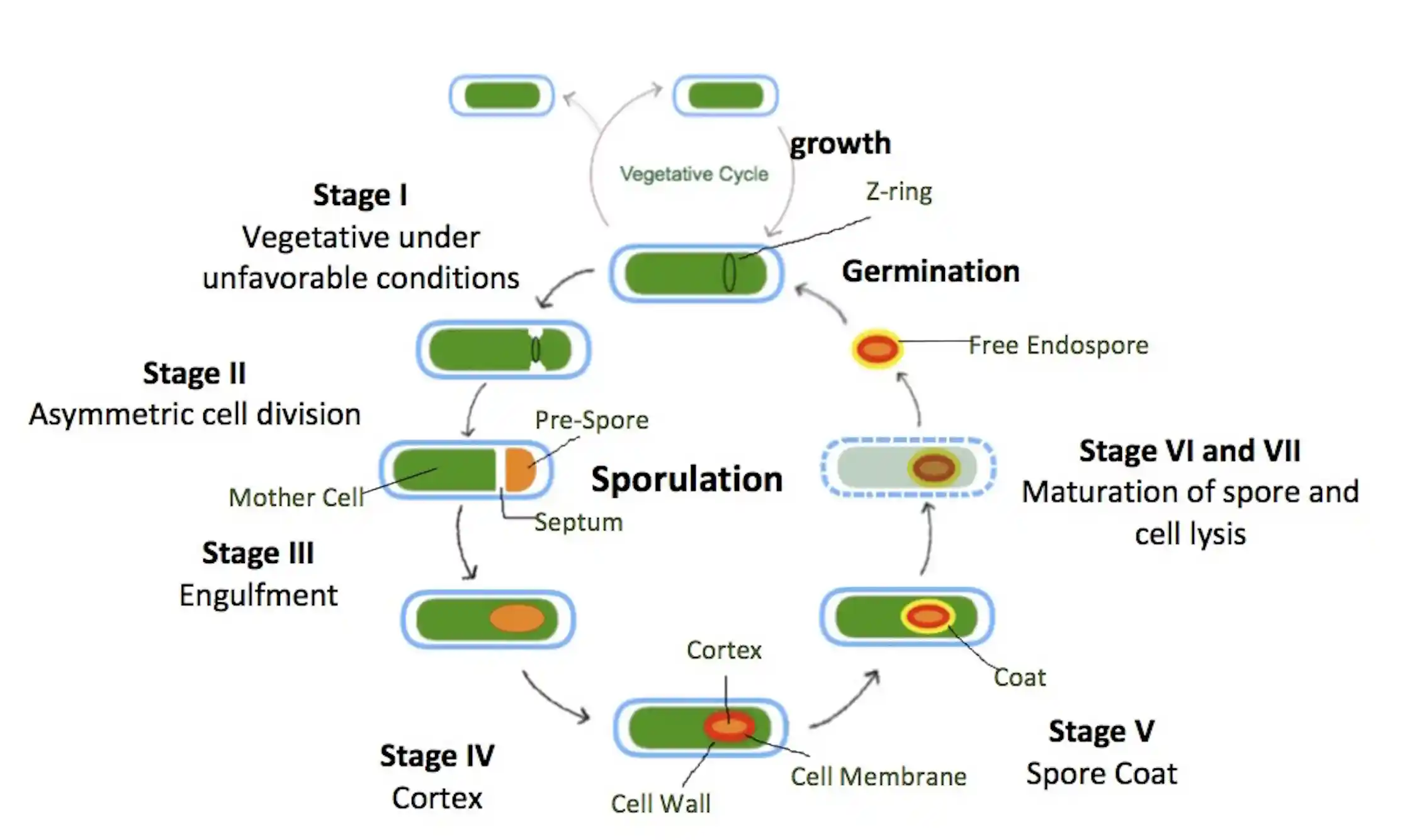
Bacillus subtilis spores can endure boiling, radiation, and space for years without dying.
Spores last 3 billion years
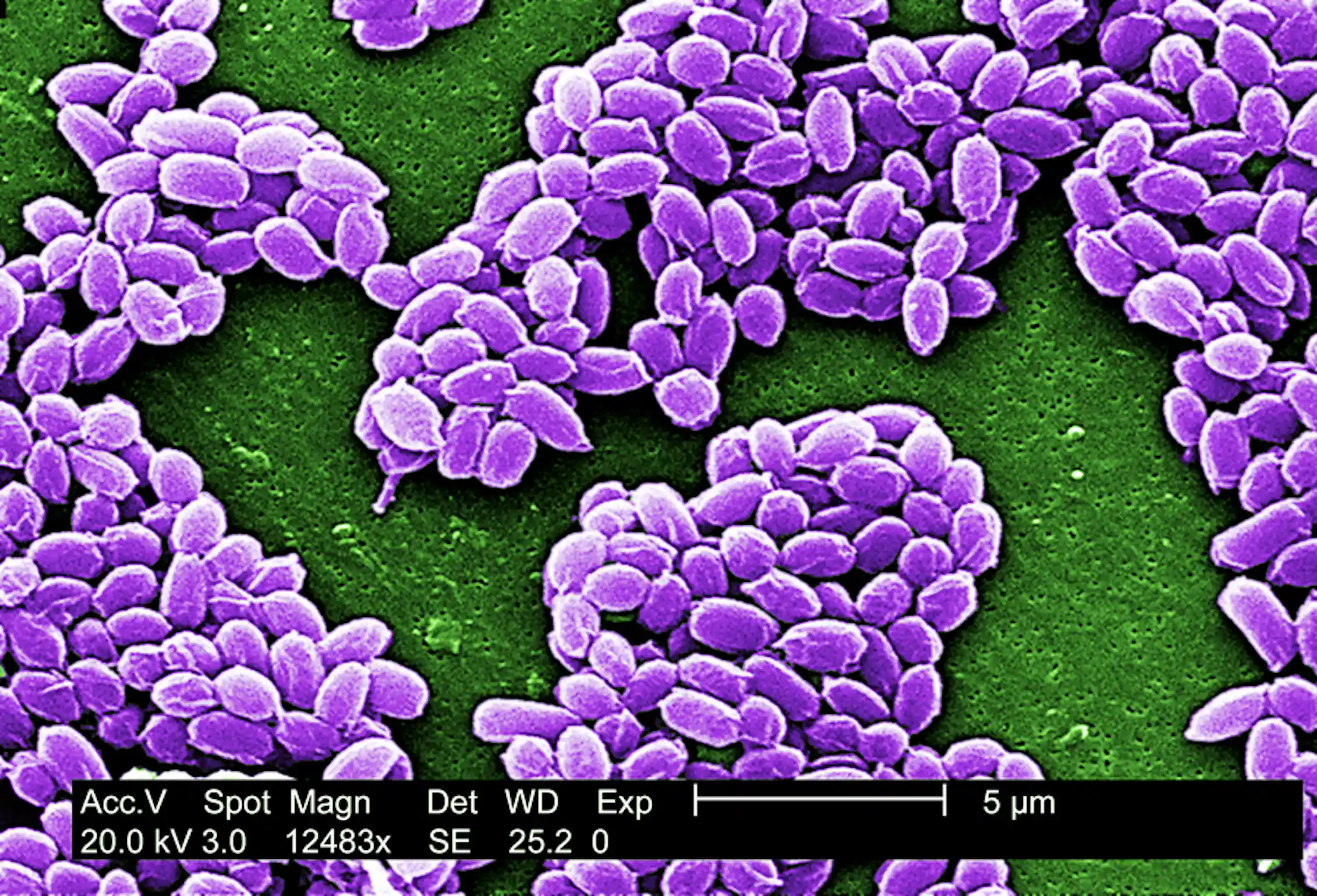
Bacteria have used spore-forming for nearly 3 billion years in soil environments.
Spores vanish in labs
Bacteria lose spore-making ability when grown in nutrient-rich lab conditions.
Energy cost of spores
Forming a spore costs nearly 10 billion ATP molecules, far more than swimming.
Spores need external food
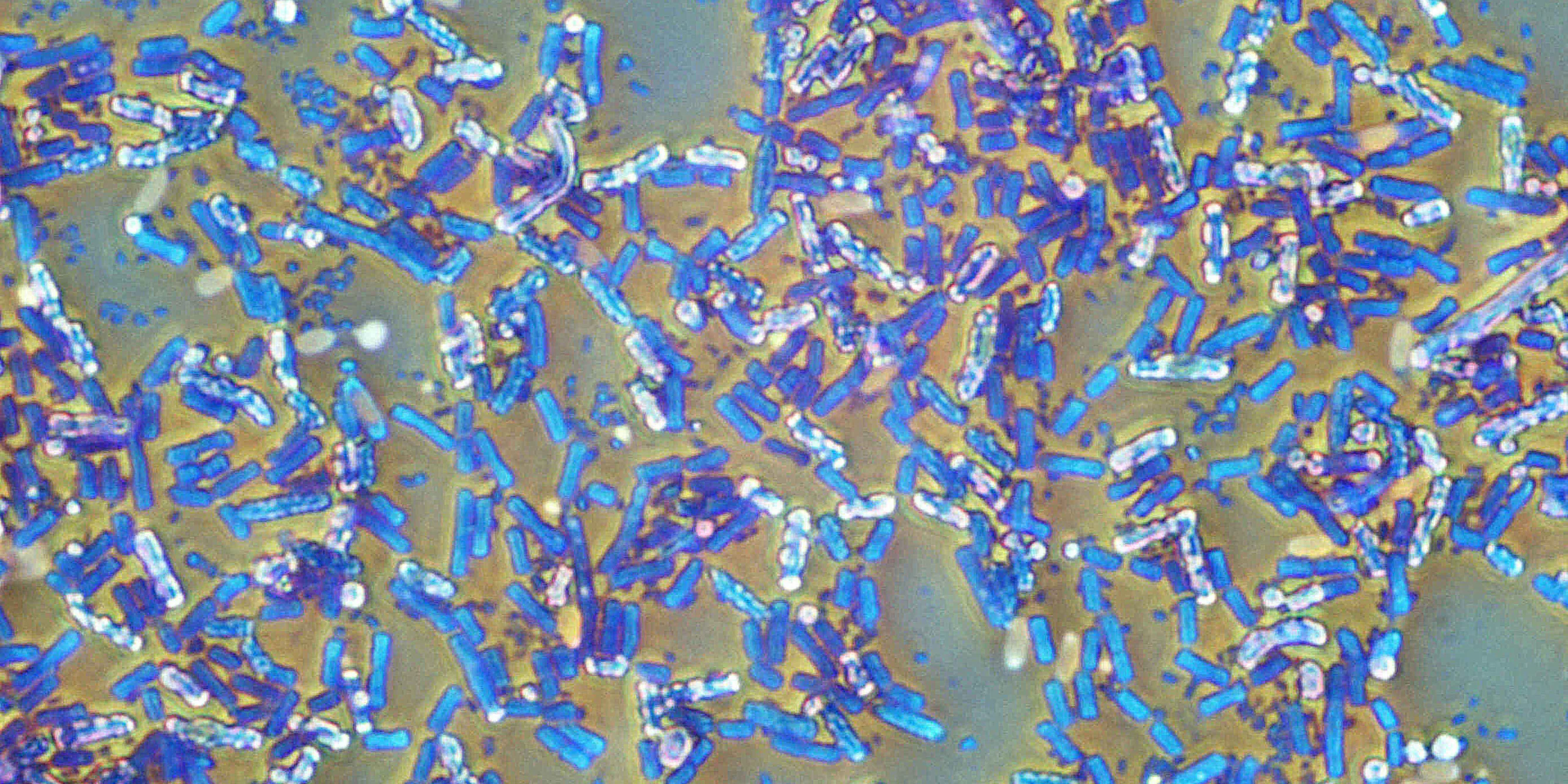
Spores require outside food to revive after dormancy, otherwise they die.
Spore revival stages
Spores first rehydrate and shed armor in 15 minutes before rebuilding for hours.
Hospital infections
Clostridioides difficile spores spread infections in hospitals and nursing homes.
Spore energy bottleneck
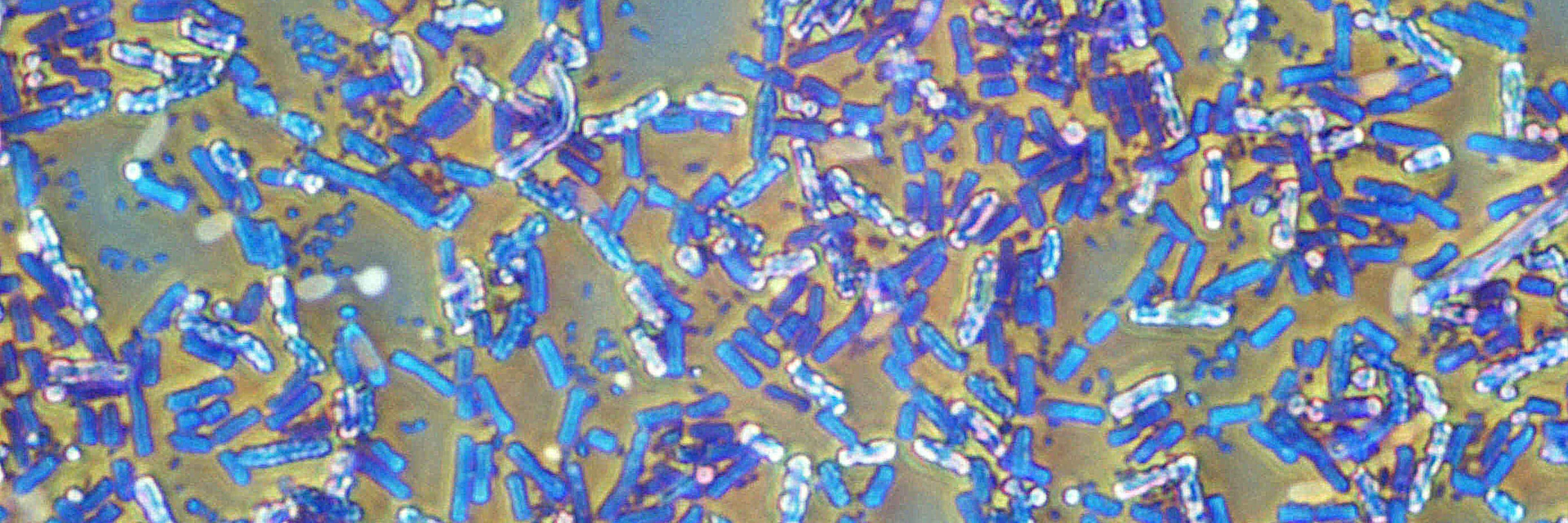
88% of revival energy is used during outgrowth, the most vulnerable stage.
Energy accounting
Scientists calculated spore formation costs more energy than active growth in bacteria.
Spore survival in space
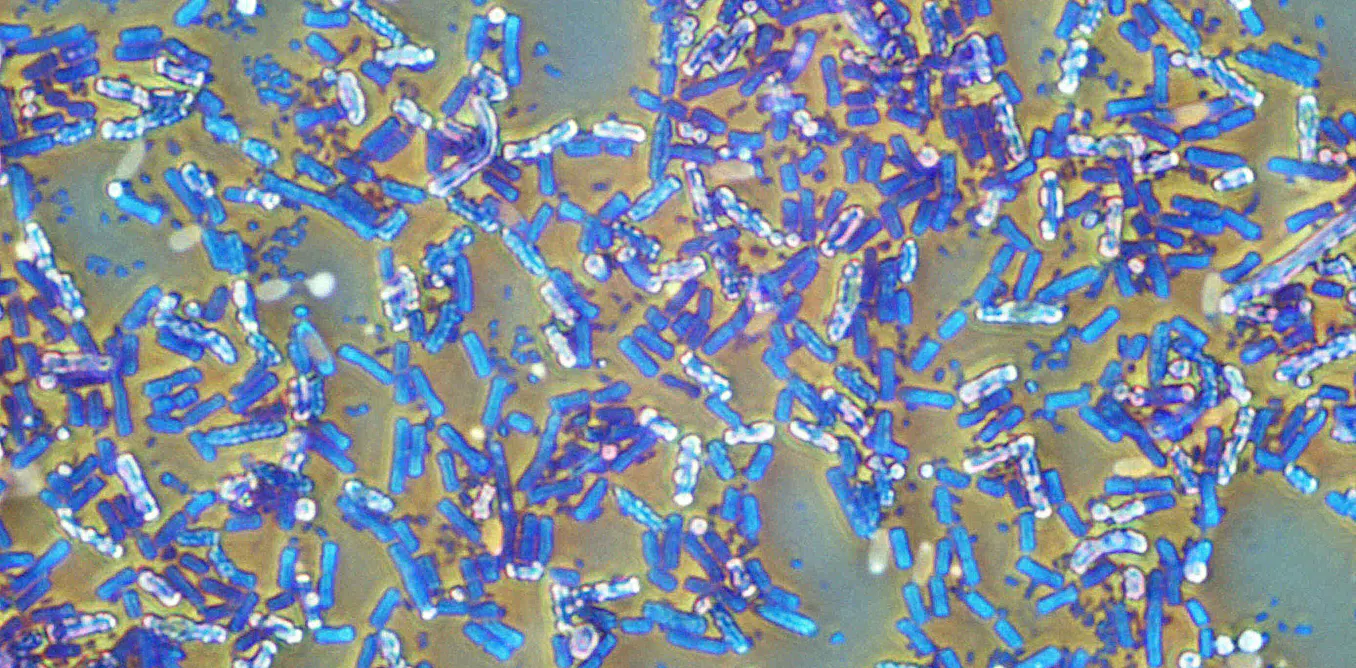
NASA left Bacillus spores on a satellite for six years, with some surviving.
What to remember
Spores need external food to revive after dormancy, creating a weak spot for infection control.