From The Conversation · Andre Pagliarini · · 3m
Brazil's election hinges on two visions of nationalism
As Brazilians vote, Lula and Bolsonaro's son offer starkly different answers to who should control the nation's future.
In brief
As Brazilians vote, Lula and Bolsonaro's son offer starkly different answers to who should control the nation's future. Brazil's October 4 election represents a fundamental clash between progressive nationalism (sovereignty to resist foreign pressure) and conservative nationalism (sovereignty to reform domestic…
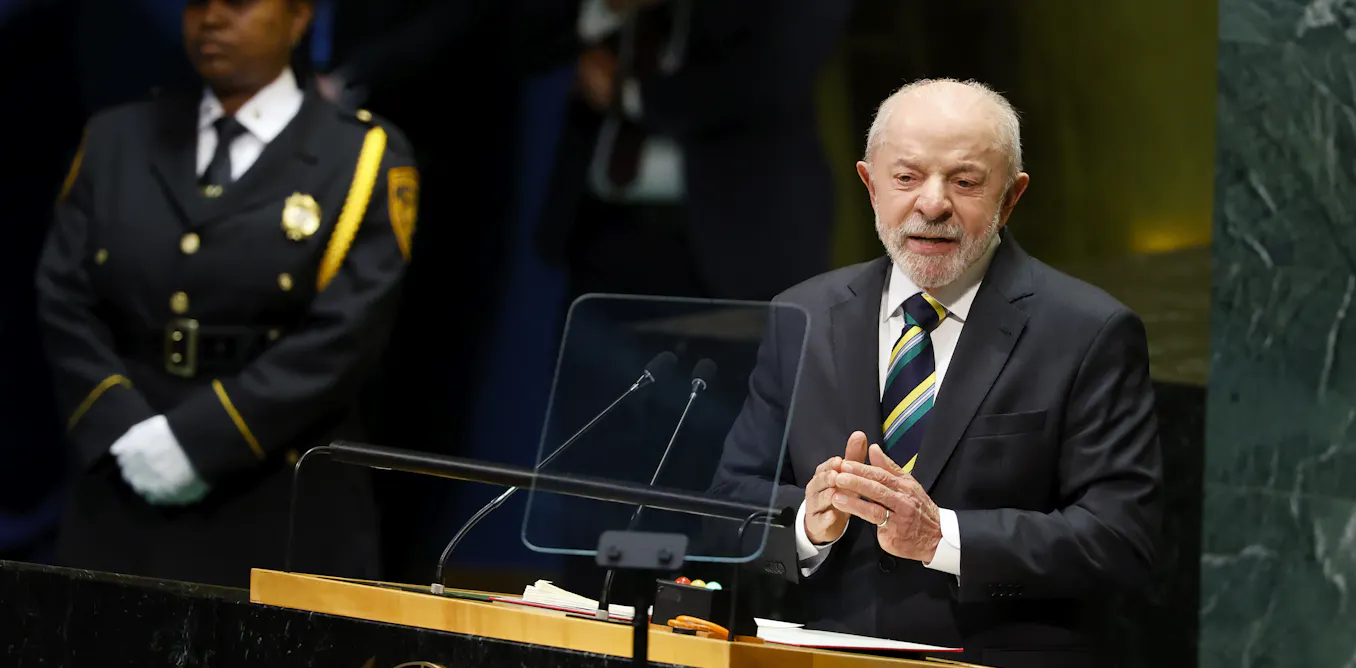
Lula poses a question at the UN
On September 22, 2026, Brazil's president asked the world: who decides Brazil's future? The question matters because voters head to the polls on October 4 in an election shaped by unprecedented U.S. interference.
“Who is to decide Brazil's future?”
Trump backs Bolsonaro's son
The Trump administration openly prefers Flávio Bolsonaro, son of the imprisoned former president Jair Bolsonaro, over the incumbent Lula. This marks an unusually direct U.S. intervention in Brazilian politics.
Lula makes sovereignty his rallying cry
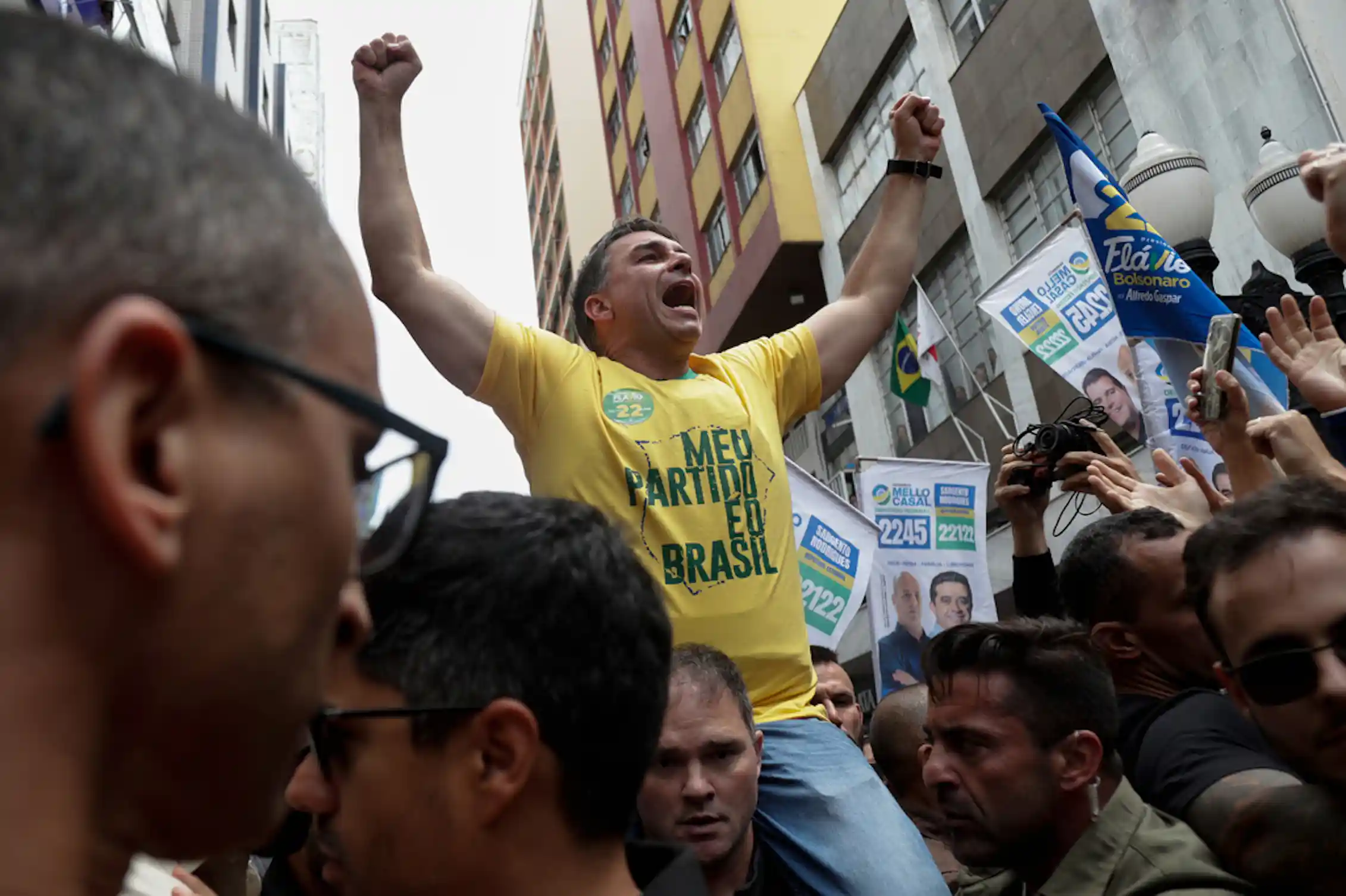
Facing U.S. pressure, Lula has made sovereignty central to his campaign, arguing that Brazil's political destiny must be set by Brazilians, not foreign powers. He's used colorful language to attack those he sees as serving foreign interests.
“Brazil would not tolerate politicians who "by day display the national flag and at night get on all fours for the United States."”
Two competing nationalist traditions
Brazilian politics has long featured two rival nationalisms. Progressive nationalism emphasizes economic and political independence from foreign powers. Conservative nationalism blames domestic failures on the country's own populist political class.
Progressive nationalism seeks autonomy
Lula's tradition views sovereignty as the capacity to determine Brazil's economic and political development independently. It argues that true independence requires freedom from excessive dependence on foreign decisions.
Conservative nationalism blames domestic elites
The opposing tradition emerged after World War II and blamed Brazil's failures on its own populist political class rather than foreign dependence. It views progressive nationalism as using reform promises and foreign scapegoats to distract from corruption.
Lula's sovereignty isn't anti-American
Lula's appeals to sovereignty belong to the progressive tradition but shouldn't be mistaken for anti-Americanism. Brazil's progressive nationalists have historically sought greater room to engage the world without becoming subordinate to any single power.
Bolsonaro targets the judiciary
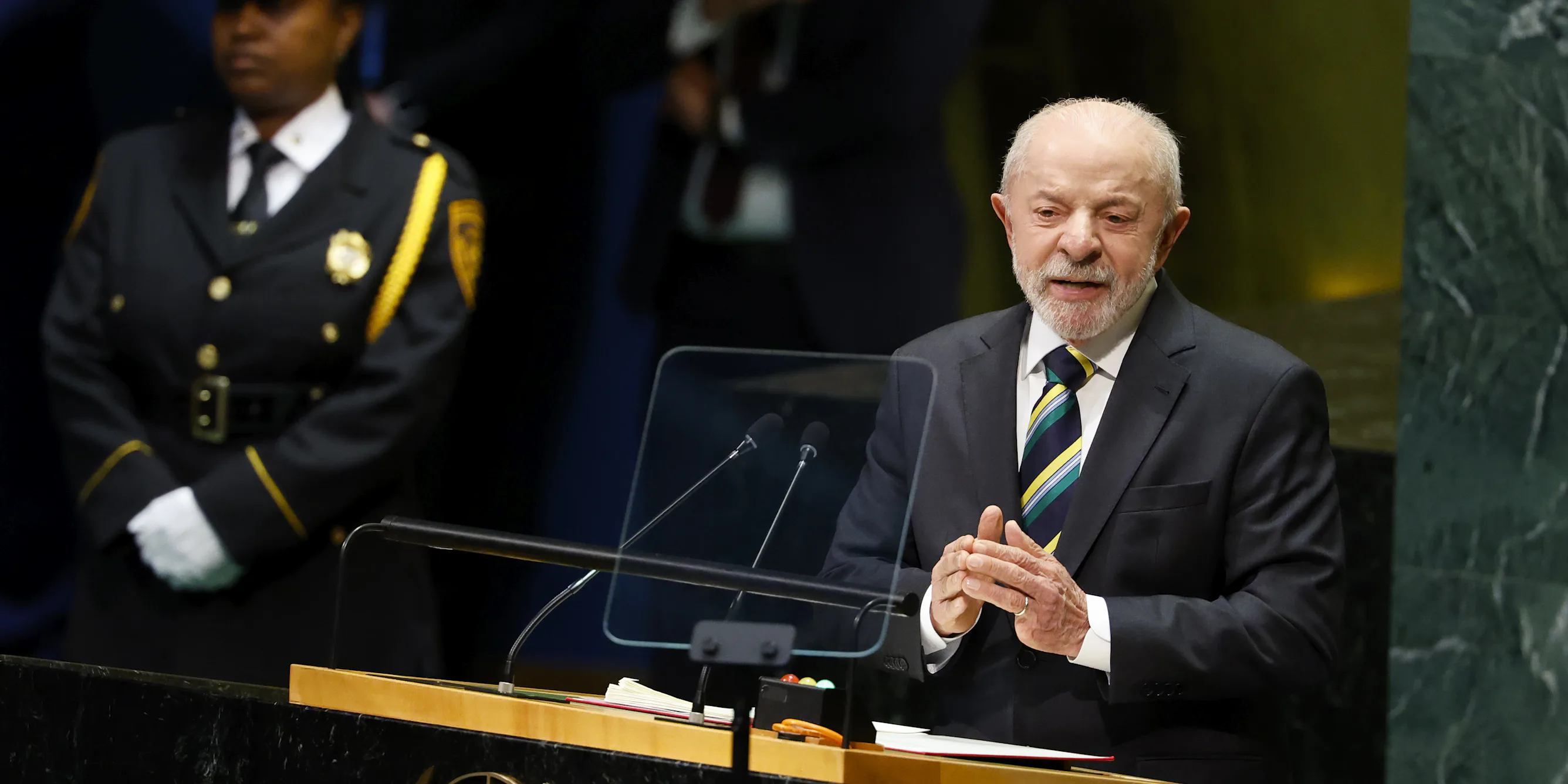
Flávio Bolsonaro criticizes Brazil's Supreme Court and electoral system as obstacles to restoring political order. His promise to free his imprisoned father is framed as institutional reform, not rejection of the rule of law.
U.S. pressure reaches critical level
A leaked Brazilian intelligence report described U.S. pressure as reaching a critical level. For the first time in decades, foreign influence has become serious enough to warrant attention from institutions protecting Brazil's political and electoral system.
Corruption scandal complicates Lula's lead
The Banco Master scandal, involving fraud and money laundering, has pushed corruption to the forefront of the campaign. Ironically, Lula isn't directly implicated while Flávio Bolsonaro is, yet the incumbent seems to be paying the political price.
Economy and security favor Bolsonaro
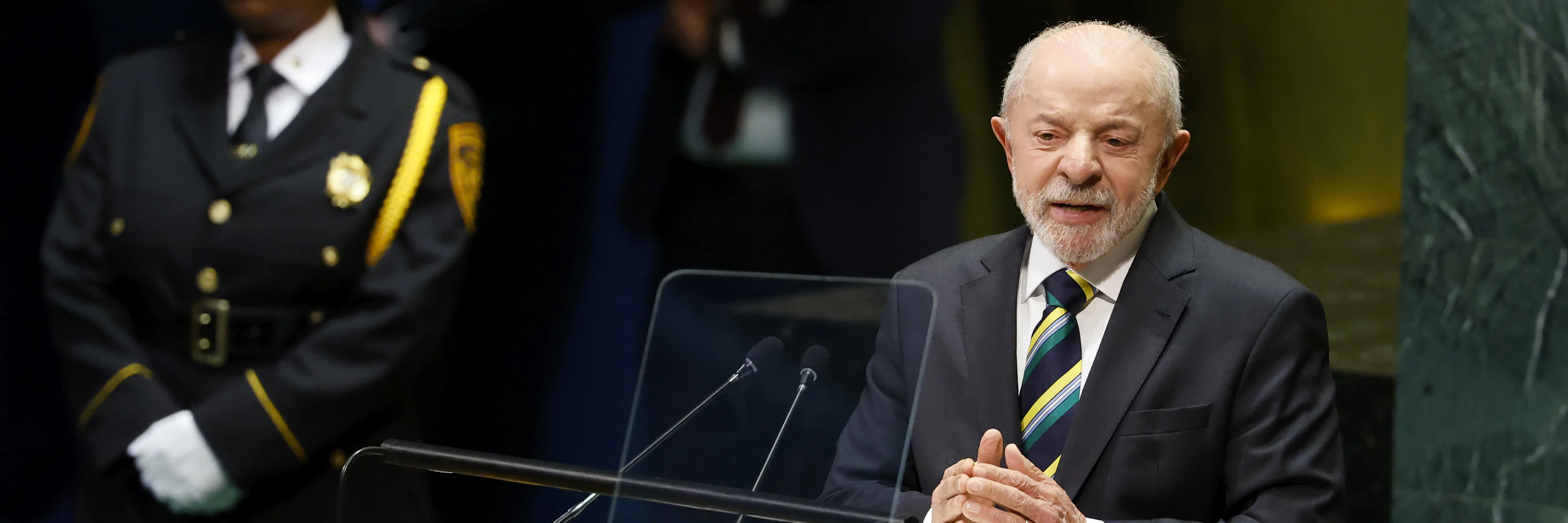
Despite job growth and low inflation, the cost of living has dogged Lula's campaign. Security is another top issue favoring the challenger, who has promised an approach modeled after El Salvador's Nayib Bukele.
Washington's intervention is unprecedented
Throughout the twentieth century, Washington quietly shaped Brazilian politics, notably supporting the 1964 coup. What's unique now is the U.S. taking sides openly through hostile policy measures designed to influence the election in real time.
Two visions of national interest collide
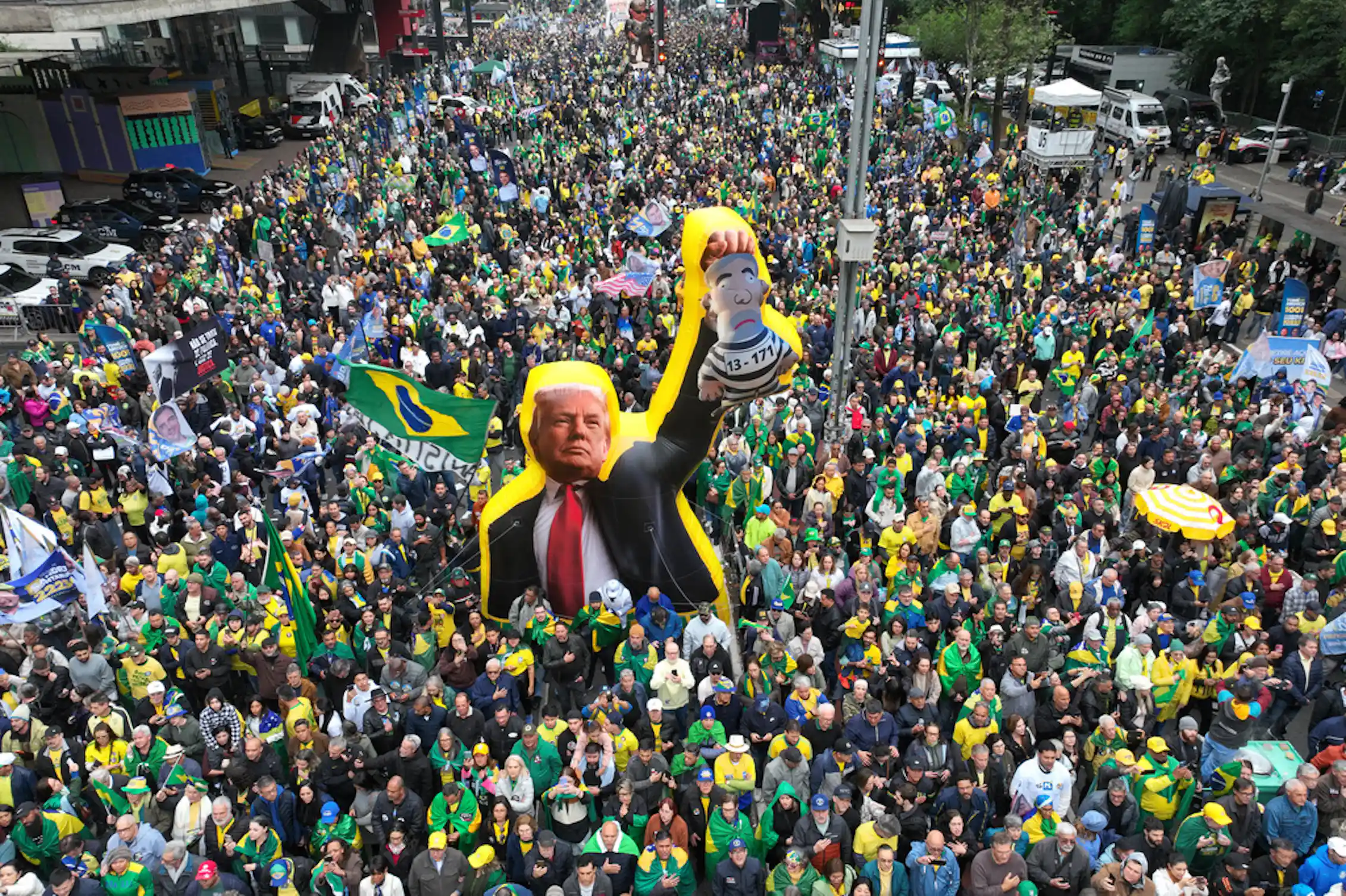
Lula locates threats to sovereignty in foreign pressure and emphasizes resisting a foreign power's leverage. Flávio Bolsonaro locates threats inside Brazil, in institutions he regards as thwarting his family's agenda. Both claim the nationalist mantle.
What to remember
Brazil's October 4 election represents a fundamental clash between progressive nationalism (sovereignty to resist foreign pressure) and conservative nationalism (sovereignty to reform domestic institutions), with unprecedented U.S. interference making the choice unusually stark.